
Artists on Money
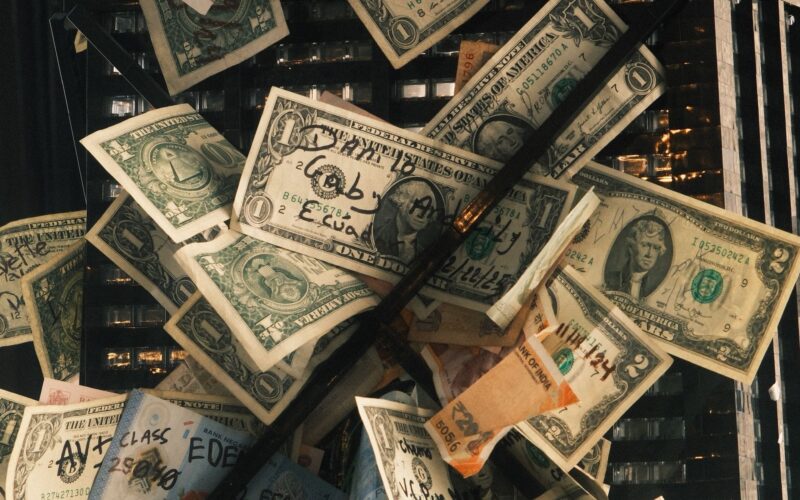
9 Artists Share What They Really Think About Money
There is a funny thing about money and art. We talk about one constantly, and somehow still feel a little uncomfortable putting the two in the same sentence.
Artists need money. Studios cost money. Materials cost money. Exhibitions cost money. Time costs money. Even having enough quiet in your life to sit down and make something usually depends, in one way or another, on money.
And yet, there is still this old idea that real artists should somehow exist outside of all of that. As if caring about money makes the work less sincere. As if wanting to sell a painting means you care less about the painting itself. As if an artist has to choose between being commercially successful and being creatively honest.
But artists have never really agreed on this.
Some have been completely open about wanting to make money. Some have hated the way money changes the art world. Some have treated business as another creative skill. Others have simply wanted enough money to keep making work without worrying about how they were going to pay the bills.
So instead of telling you what artists should think about money, we thought it would be much more interesting to hear what artists themselves have actually said.
Here are nine artists, nine very different perspectives, and a reminder that there is no single right way to think about money when you are making art.
01. Andy Warhol: Money Can Be Part of the Art
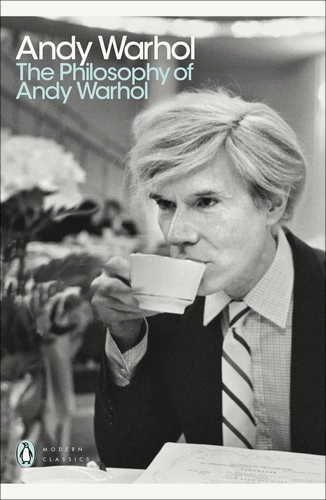
Andy Warhol never really pretended that money and art were separate worlds.
In fact, he practically turned their relationship into a subject of his work. His dollar-sign paintings, his fascination with celebrity, advertising and consumer culture, and his own transformation from commercial illustrator into one of the most recognisable artists of the twentieth century all played with the relationship between art and business.
And Warhol was wonderfully blunt about it.
“Making money is art and working is art and good business is the best art.”
The line comes from The Philosophy of Andy Warhol, where he openly talks about moving from “art” into “business art.”
It is a very Warhol way of looking at things: instead of apologising for the commercial side of art, why not admit that it exists, and perhaps even get good at it? For artists today, there is something useful in that attitude. Selling your work, understanding your audience, promoting yourself and learning how the business side works does not automatically make the art less meaningful.
Sometimes, it simply means you want your creative practice to survive.
02. Frank Stella: Don’t Become an Artist for the Money
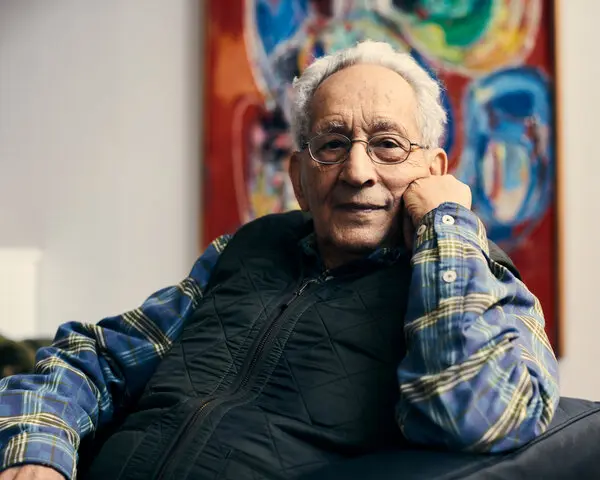
Frank Stella offers almost the opposite perspective.
In a 2015 interview with The Guardian, Stella was asked about the huge prices attached to art and the idea of making money from painting.
His answer was wonderfully straightforward:
“You certainly wouldn’t become an artist to make money. You’d be deluded.”
Stella also pointed out that even highly successful artists can live relatively hand-to-mouth lives, despite the enormous prices attached to their work at auction. Money can be part of an artist’s career without being the reason the career exists in the first place.
There is something freeing about remembering that. If you begin making art only because you think it will make you rich, you may end up disappointed very quickly. But if you make the work first and learn how to build a sustainable life around it, the relationship can look very different.
03. Tracey Emin: Don’t Let Selling Become the Point
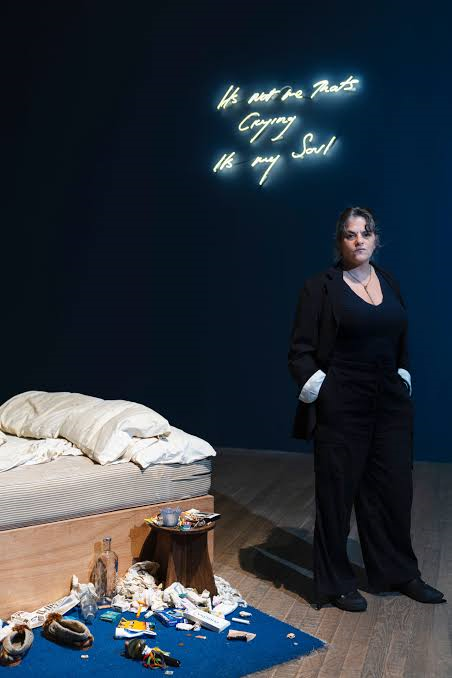
Tracey Emin has never been particularly interested in making her opinions sound polite.
When speaking at the Hay Festival, she criticised artists who keep producing essentially the same work because it sells, arguing that this can turn the practice into a cycle of production and consumption.
Her conclusion was simple:
“Being an artist is about making art, not about making money.”
It is a sharp reminder of something artists can easily forget: selling work is not the same thing as making work.
There is nothing wrong with wanting your work to sell. But if sales become the only measure of whether an idea is worth pursuing, creativity can become strangely narrow. Emin’s perspective asks artists to protect the part of their practice that exists simply because they need to make it.
04. Damien Hirst: Money Matters, But It Isn’t Everything
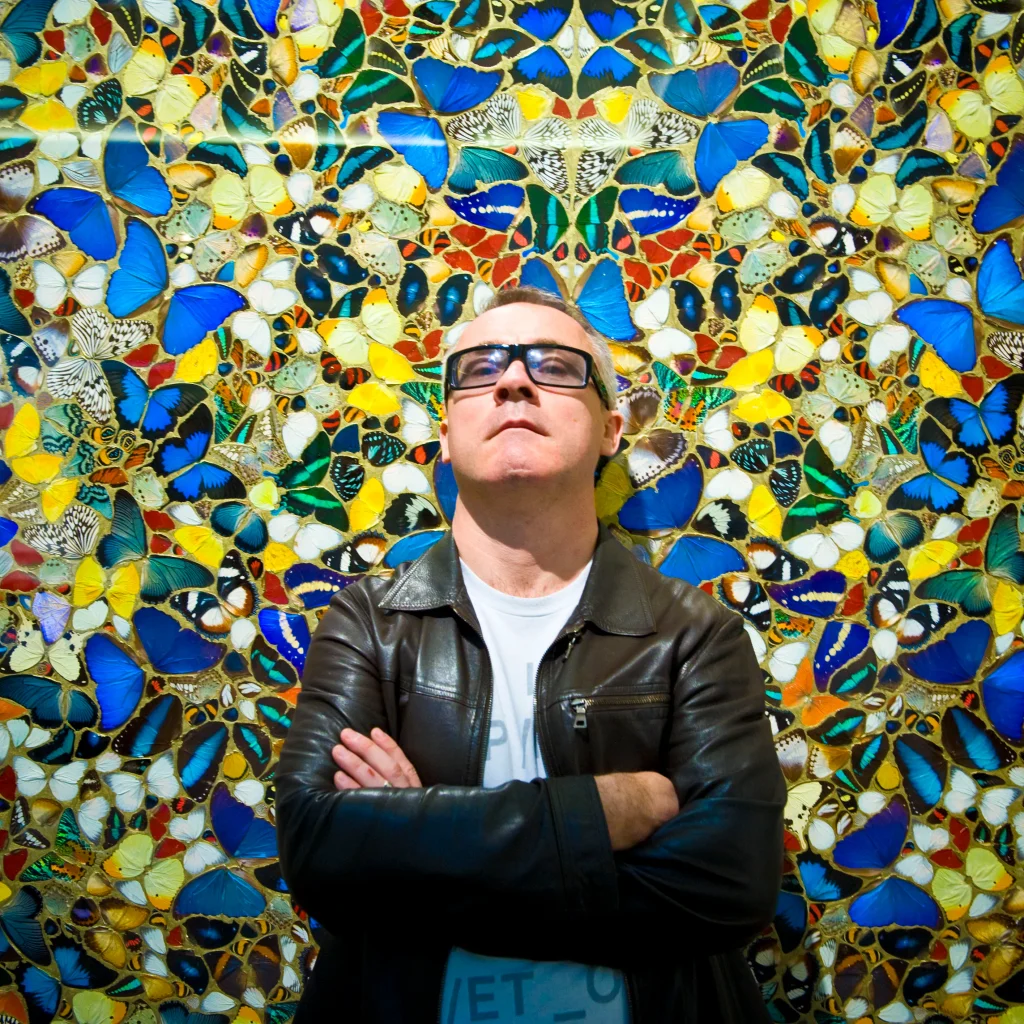
Damien Hirst is perhaps one of the most interesting people to include in a conversation about money because he has never exactly run away from the commercial side of art.
He has built an enormous career around it. But Hirst has also been surprisingly honest about the complicated role money played in his life.
In a 2012 interview, he said:
“Money is massive. I don’t think it should ever be the goal.”
He explained that growing up without money made him more conscious of it, but he still believed that art ultimately mattered more.
“I do believe art is more powerful than money.”
That contradiction is actually what makes his perspective so interesting. Money can matter enormously to an artist. It can provide freedom, security, space and opportunities. But caring about money does not necessarily mean worshiping it.
Sometimes the healthiest relationship with money is simply recognising that it matters without allowing it to become the entire point.
05. Yayoi Kusama: Money Is a Reflection of Character
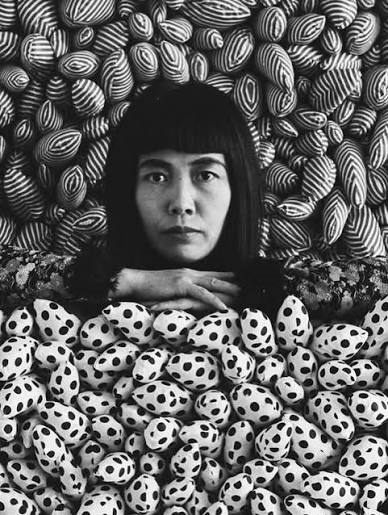
When Damien Hirst interviewed Yayoi Kusama for The Guardian in 2000, he asked her a very interesting question: art is about life, but the art world is about money, so how does she separate the two?
Kusama’s answer was unexpectedly philosophical:
“I think of fame and money like shoes and umbrellas.”
She went on to suggest that the way someone uses money says something about their character.
It is a lovely way of looking at it because Kusama doesn’t make money the centre of the conversation. Money is a tool. Something you have. Something you use. Something that can reveal things about you, but not necessarily something that defines you.
And perhaps artists can think about money in the same way. It can help you build a studio, travel, experiment, hire people, buy materials or simply live comfortably. But it doesn’t have to become the measure of your artistic worth.
06. Ai Weiwei: You Can’t Put a Price on Art
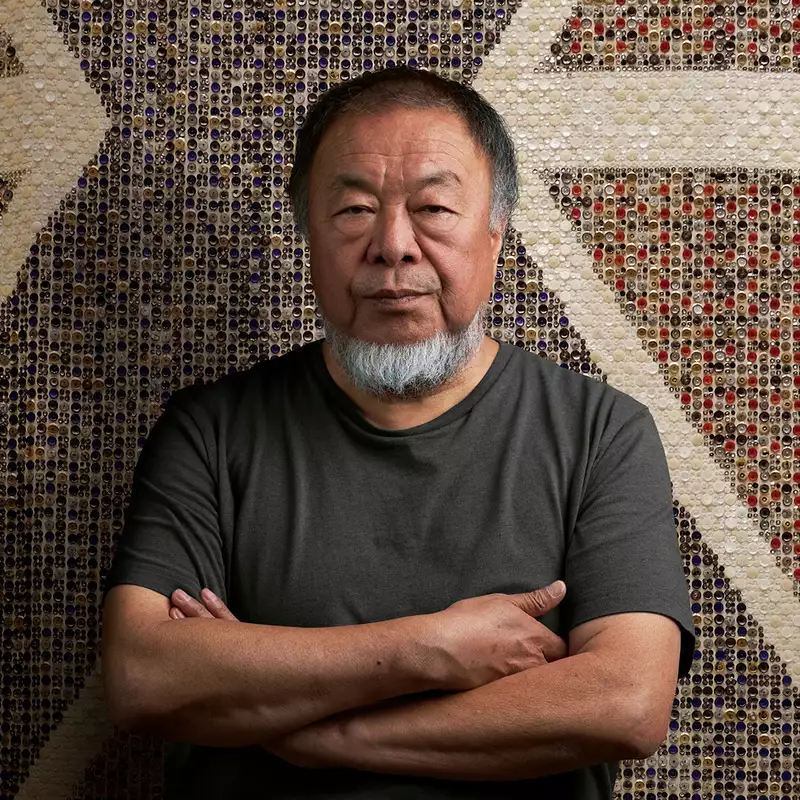
Ai Weiwei takes a much more sceptical view of the relationship between price and artistic value.
In a 2007 interview, he was asked about Chinese artists selling their work for huge sums of money.
His response:
“To give a price to an artwork, no matter how high or low, is always absurd.”
He went further, arguing that an artwork cannot really be measured by money or numbers, and that selling for a high or low price does not necessarily tell us anything meaningful about the work itself. This is something worth remembering every time we see an auction record splashed across the news.
A $10 million painting isn’t necessarily more important than a $500 painting. The price tells us what someone was willing to pay. It does not tell us everything about what the work means.
07. Marina Abramović: Money Should Never Become the Purpose
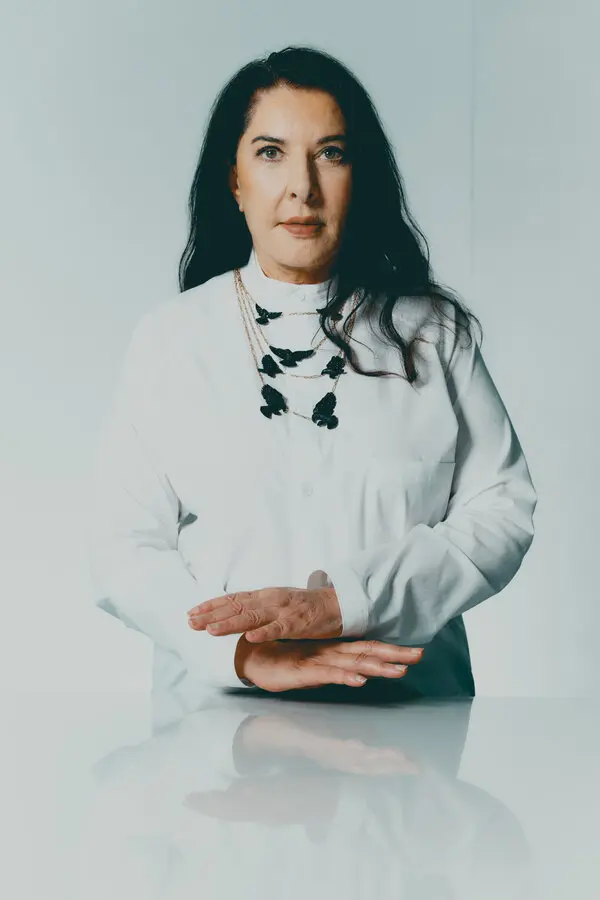
Marina Abramović has spent decades making work that is almost impossible to separate from questions about time, endurance, the body and human connection. So perhaps it makes sense that she has a particularly strong opinion about turning art into a commodity.
In an interview, she said:
“Fame and money is just a side effect.”
She also warned artists about learning to survive within society without compromising their work for the market.
And in another interview, when discussing NFTs and the enormous focus on their financial potential, she put it even more plainly:
“I never made art for money.”
Her point isn’t that artists should refuse money. It is that money should not become the reason the work exists.
08. Andrew Simonet: Your Income Doesn’t Decide Whether You’re a Real Artist
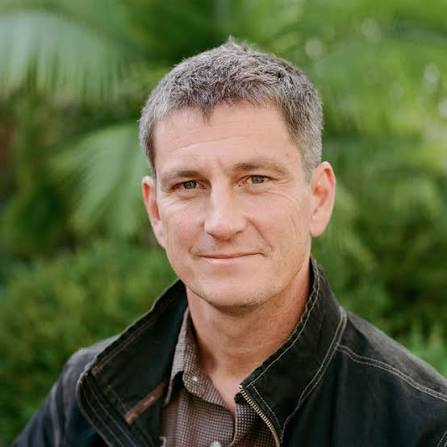
Not every useful perspective on money comes from a billionaire artist or someone whose work hangs in major museums. Andrew Simonet, an artist and writer, offers a much more practical way of looking at the problem.
Talking about balancing art and income, he said:
“Earning money from my art does not make me a real artist.”
And then came the line that may be the most comforting one in this entire conversation:
“A dollar earned waiting tables is worth exactly the same as a dollar earned making art.”
That is a powerful idea for artists who are still building their careers. You don’t become less of an artist because you have another job. You don’t become more of an artist because 100% of your income comes from your studio. Your commitment to the work is what matters.
Sometimes the side job is not taking you away from your art. It is the very thing allowing you to keep making it.
09. Judy Clement Wall: Sometimes You Just Need the Money
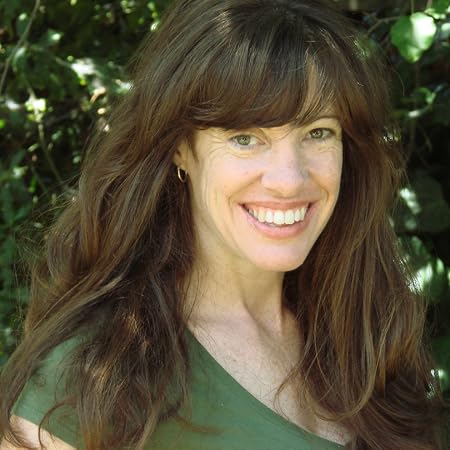
Illustrator Judy Clement Wall offers perhaps the most refreshingly honest perspective of all.
When asked how important making money from her art was, she didn’t romanticize the struggle.
“It’s important. It validates me, gives me confidence.”
She also admitted that she wasn’t financially comfortable enough to make art purely for the love of it, and that finances were always a concern. There is something wonderfully real about that answer. Artists need money.
Wanting to earn from your work doesn’t make you greedy. Wanting to pay your bills doesn’t make you less passionate. Wanting your creative work to support your life is not something you need to apologise for. In fact, learning how to make that happen can be one of the most empowering things an artist does.
Money, Art and Finding Your Own Balance
Put all nine of these artists in one room and they probably wouldn’t agree on much.
Warhol embraced business. Stella warned against making money the reason to become an artist. Emin wanted artists to remember that making art comes before selling it. Hirst acknowledged how powerful money can be while still insisting that art matters more. Kusama saw money as something that can reveal character.
Ai Weiwei questioned whether price can ever truly measure art. Abramović saw fame and money as side effects. Simonet separated being an artist from where your income comes from. And Judy Clement Wall simply admitted something many artists are afraid to say out loud: money matters.
Maybe that is the real lesson. There is no single correct relationship between an artist and money. You can want to sell your work and still care deeply about what you make. You can have a day job and still be a serious artist. You can become commercially successful without letting the market decide what you create. You can want financial security without making wealth the goal.
And perhaps most importantly, you don’t have to feel guilty about wanting your art to support your life. Art may begin with an idea, an obsession, a feeling or something you simply cannot stop making.
But behind every canvas is still a person who needs to eat, pay rent, buy materials, keep the lights on and have enough time to create. Maybe the goal isn’t to choose between art and money. Maybe it’s to figure out how money can help you keep making the art you care about.
Editor’s Note:
Only 2 days left to apply for our open call, 101 Art Book: Faces Edition. The deadline closes on September 10, 2026. Think no further, and submit any of your work that feels fitting to the theme of faces. We can’t wait to look at your submissions.