
Why Stavri Georgiou Believes Mystery Makes a Photograph More Powerful
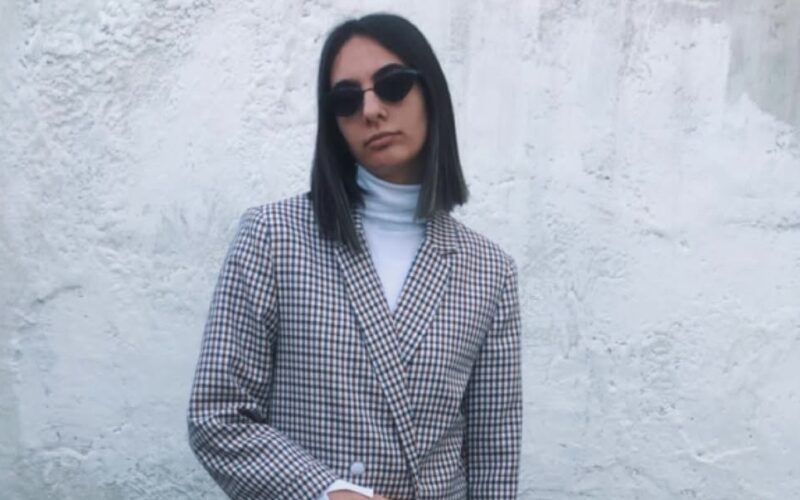
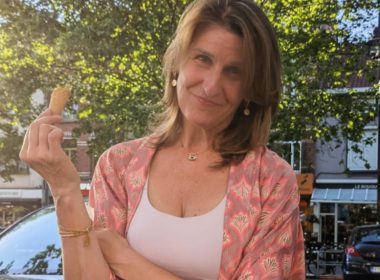
At Arts to Hearts Project, our 100 Emerging Artists of 2026 is full of people chasing very different things through their work. Some chase beauty, some chase truth, some chase a feeling they cannot quite name. Stavri Georgiou chases the feeling of a film that does not exist. Her photographs look like single frames pulled from a movie you will never get to watch, and that is what made us stop.
Stavri is a photographer and filmmaker based in Larnaca, Cyprus. Her love of images started long before she owned a camera. Her father was a painter, and she grew up surrounded by color and light and the idea that a picture could hold a feeling words could not reach.
When she finally saved up for her first camera as a teenager, she never wanted to simply record what was in front of her. She wanted to recreate the feeling of a dream, or a memory, something you cannot quite explain.
That is still what drives her. She does not so much take photographs as build scenes, one frame at a time, shaping the light, the mood, and the emotion the way a director would. But she is far more interested in questions than answers.
She never wants to tell you exactly what you are looking at. She leaves space, a held silence, a moment that feels like something has just happened or is about to, and lets you fill in the rest with your own memories. That mystery is what keeps her images alive long after you look away.
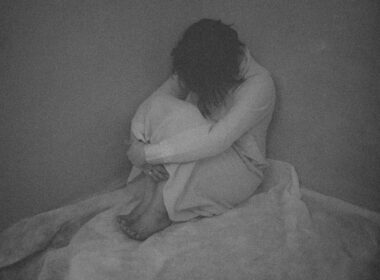
You feel this most in her portraits. They are intimate, but never fully open. With a little light, a shadow, the tilt of a body, a look that gives away just enough, she suggests an emotion instead of explaining it. Her people often seem to hold two feelings at once, strength and uncertainty, confidence and vulnerability, which is, she believes, where we are all at our most honest.
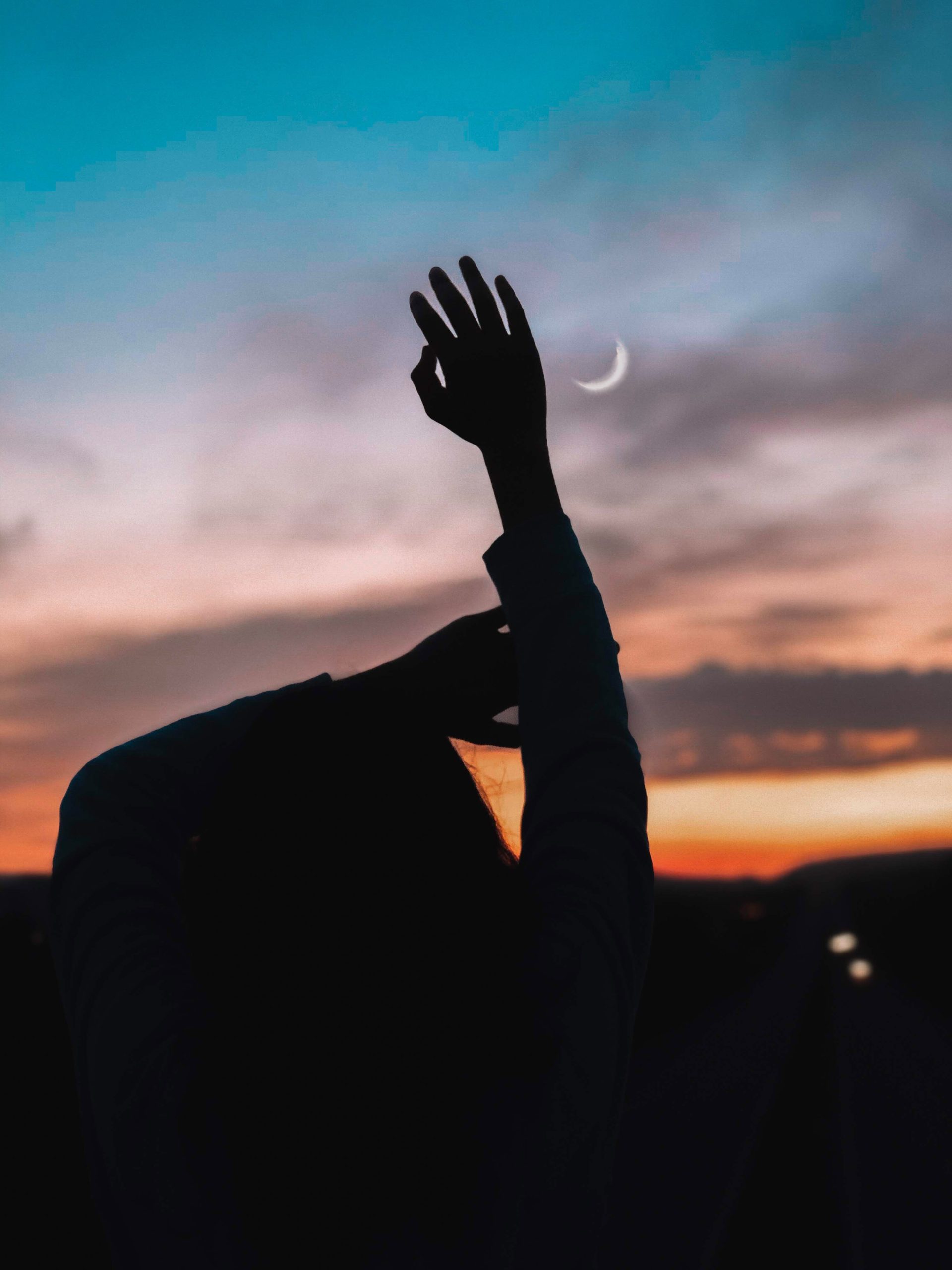
Her father taught her that art is less about getting it technically perfect and more about seeing the world differently, and it shows. She approaches every photograph like a painting, thinking first about light, color, and atmosphere. Even without a camera in her hand, she is always collecting quiet, in-between moments, the way light falls across a room, the silence between two people, the small gestures most of us miss. She holds on to the belief that beauty does not only live in the big events, but in the tiny fragments that quietly become our memories.
That belief grew into an award-winning short film, a gentle reflection on the ordinary moments that shape who we are. Her photographs have been published in magazines like Vogue Greece and i-D and shown in exhibitions internationally, and now she is moving further into filmmaking, curious to see what happens when her still frames finally begin to move, without losing any of their mystery.
Now let’s hear from Stavri about the painter father who shaped her eye, why she trusts a feeling over a plan, the power of leaving a story unfinished, and why the work that lasts is the work only you could make.
Q1. Your work feels cinematic rather than traditionally photographic. What first drew you to visual storytelling?
I think it started long before I ever held a camera. My father was a painter, so I grew up surrounded by images, colors, and the idea that emotions could exist without words. That stayed with me. When I finally saved enough to buy my first camera as a teenager,
I wasn’t interested in documenting reality—I wanted to recreate the feeling of dreams, memories, and moments that couldn’t be explained. Over time, I realized I wasn’t making photographs in the traditional sense. I was building scenes, directing emotions, and telling stories one frame at a time. Cinema became a natural influence because a single image can carry the same emotional weight as an entire film.
Photography became my language the moment I understood that one photograph could make someone feel something they couldn’t quite put into words.
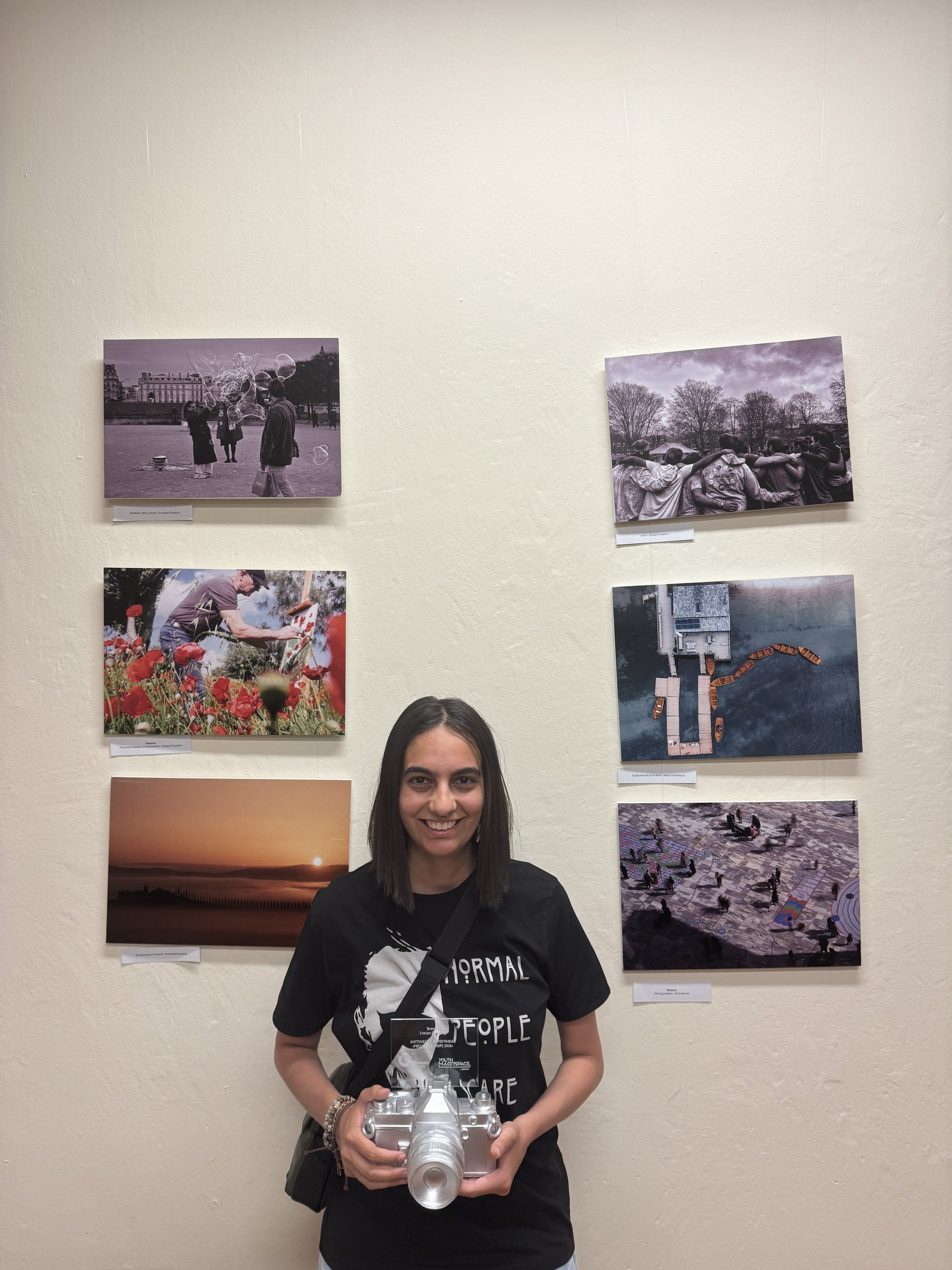
Q2. Your father was a painter and introduced you to drawing early on. What lessons from him still shape your work?
My father taught me that creating art is less about technical perfection and more about seeing the world differently.
As a painter, he encouraged me to observe light, color, and emotion before thinking about the final image. Those early moments of drawing with him taught me patience, curiosity, and the importance of creating from instinct rather than expectation.
Although I eventually chose photography instead of painting, those lessons never left me. I still approach every project as if I’m composing a canvas carefully considering light, color, and atmosphere to express something beyond what is visible. In many ways, my work is a continuation of those conversations we began when I was a child, only now I tell those stories through a camera instead of a paintbrush.
Q3. What attracts you to storytelling through suggestion rather than complete narratives?
I’ve always been more interested in questions than answers. I don’t want to tell people exactly what they’re looking at—I want to leave space for them to bring their own memories, emotions, and interpretations into the image. That sense of mystery is what keeps a photograph alive long after you’ve looked away. I love the idea that a single frame can suggest an entire world without revealing everything.
My photographs often feel like scenes from films that don’t exist because I’m drawn to moments that seem suspended in time, where something has just happened or is about to happen. That ambiguity invites the viewer to become part of the story, completing it in their own way, and I find that far more powerful than presenting a complete narrative.
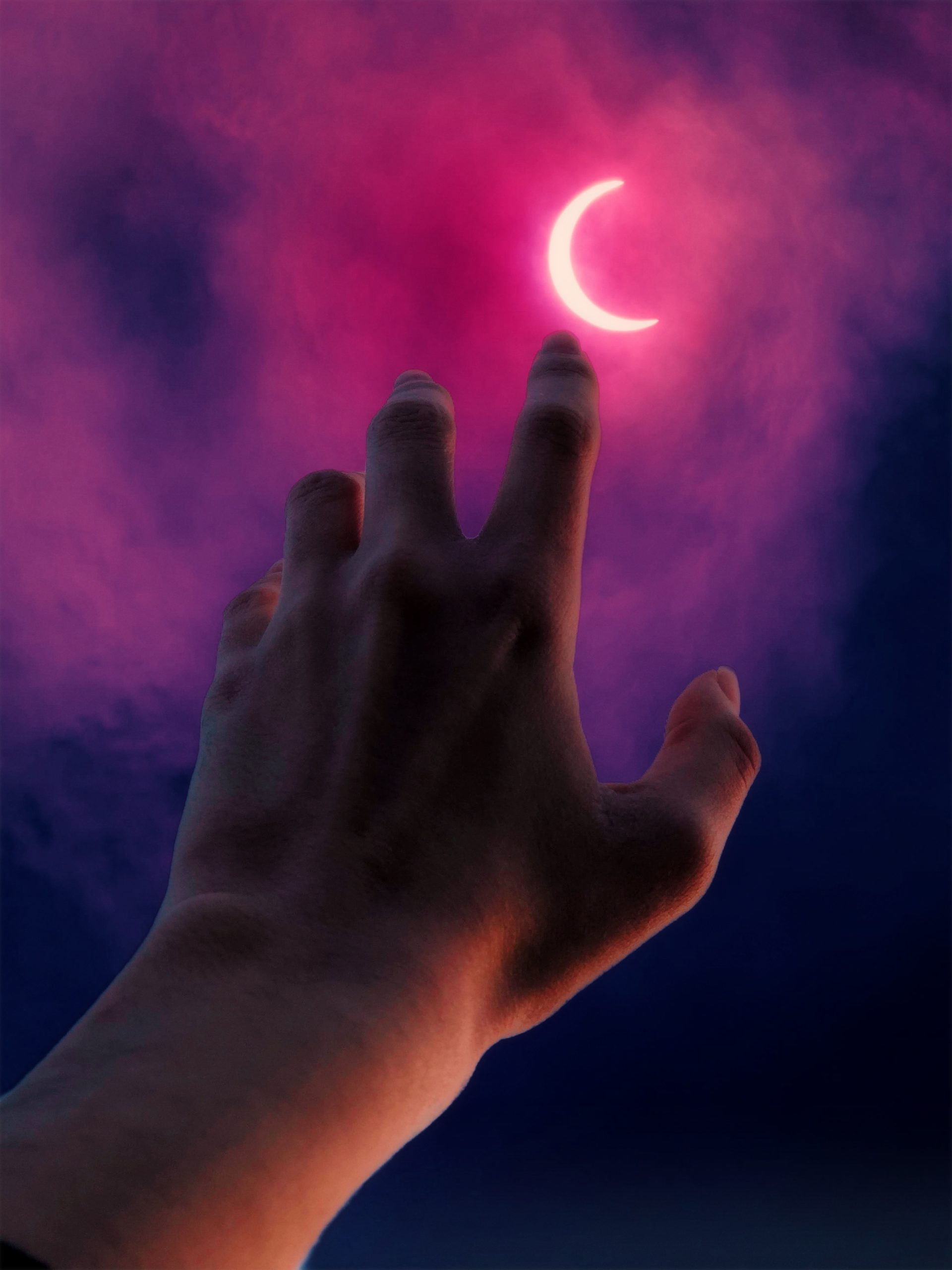
Q4. You often begin with a feeling rather than a finished concept. How do you preserve that emotion as a project develops?
Every project begins with a feeling I can’t quite explain, and I try not to define it too quickly. The moment I overanalyse it, I risk losing what made it meaningful in the first place. Instead, I let that emotion guide every creative decision from the location and lighting to the colors, movement, and the way I direct the subject. I also give myself permission to adapt along the way. Even if the original idea changes, I always return to the emotion that started it.
For me, the final photograph isn’t successful because it perfectly matches a plan it’s successful if it preserves the feeling that inspired me in the first place.
Q5. How do you create intimacy and mystery in your portraits without revealing everything?
I think emotion is often strongest when it’s implied rather than explained. I’m not interested in revealing everything about a person or a moment. Instead, I use light, shadows, body language, and subtle expressions to suggest an emotion, leaving space for the viewer to interpret it in their own way.
That balance between intimacy and mystery is what I find most compelling.
I want my portraits to feel personal enough to evoke an emotional connection, but open enough that each viewer can discover something different within them. For me, the most powerful images are the ones that continue to unfold long after you’ve seen them.
Q6. As both a director and photographer, do you approach a new project more as a storyteller or an image-maker?
For me, the two are inseparable. I usually begin with a feeling or a moment rather than a complete story, but from that point I naturally start thinking like both a storyteller and an image-maker. I imagine the atmosphere, the emotions, the movement, and the silence surrounding a scene before I think about the final frame. Even though I work with still images, I approach them as if they belong to a larger narrative.
Every photograph should feel like a fragment of a story that exists beyond the frame. As a director, I think about rhythm and emotion; as a photographer, I shape those ideas into a single image that can stand on its own while still leaving the rest of the story to the viewer’s imagination.
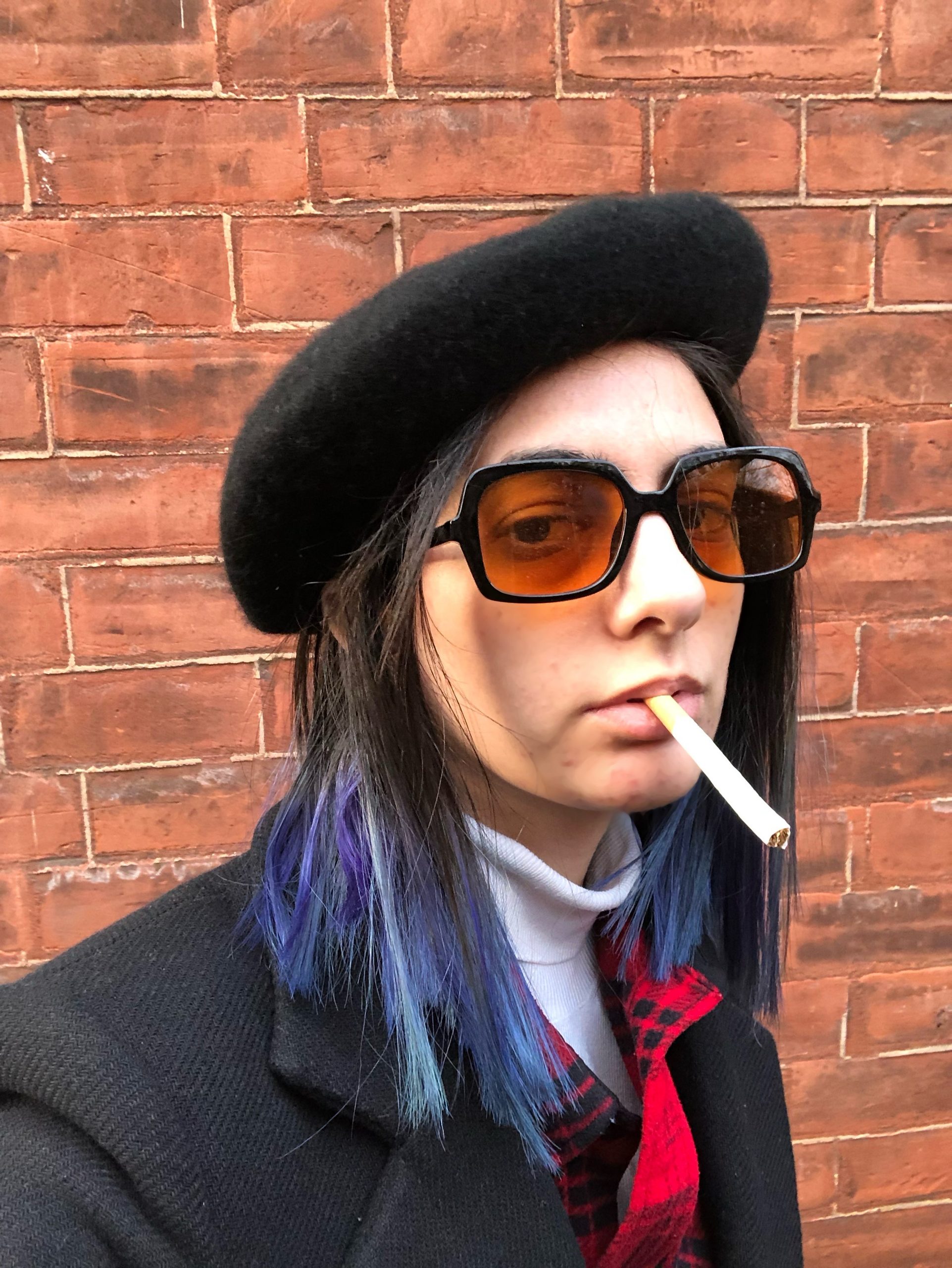
Q7. What emotional tension were you exploring in The Girl with Cigarette?
The Girl with Cigarette was never about the cigarette itself—it was about the emotional contradiction it represents. I was drawn to the space where vulnerability and confidence coexist, because I think that’s where people are at their most authentic.
We often carry strength and uncertainty at the same time, and I wanted the image to reflect that complexity without forcing a clear explanation. I wasn’t trying to tell a complete story. Instead, I wanted to capture a single moment that feels as though it belongs to a much larger narrative.
Is she waiting, remembering, escaping, or simply existing in silence? I deliberately left those questions unanswered because I believe mystery invites a deeper emotional connection. The unresolved tension allows each viewer to project their own experiences onto the image, making the story personal rather than fixed.
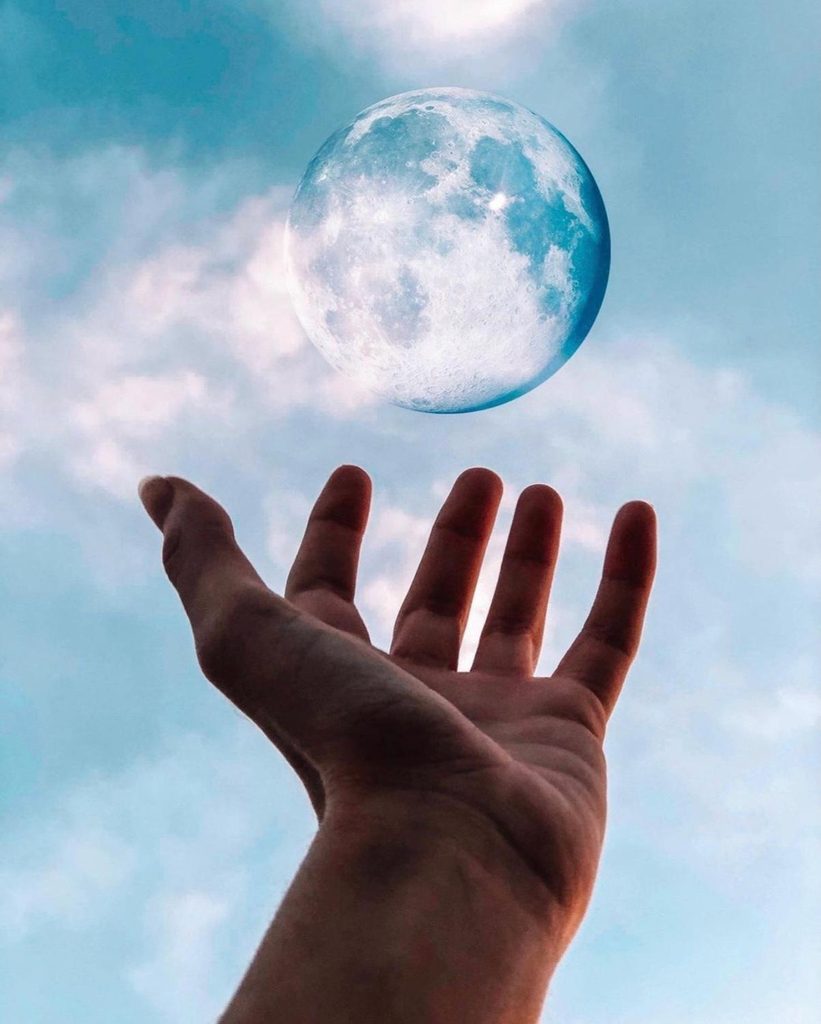
Q8. What inspired Fragments of Life, and what did the project teach you about storytelling?
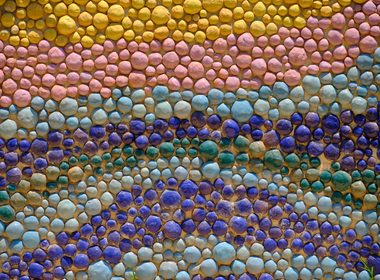
Fragments of Life was inspired by the quiet moments we often overlook—the fleeting glances, small gestures, and ordinary experiences that eventually become our memories. I wanted to explore the idea that life isn’t defined by its biggest milestones, but by countless small fragments that shape who we are. The film became a reflection on presence, nostalgia, and the beauty hidden within everyday life.
Creating it taught me that storytelling doesn’t always require a conventional beginning, middle, and end. Sometimes a collection of emotions and moments can be just as powerful as a linear narrative. I learned to trust the audience to connect the fragments themselves, allowing them to bring their own memories and experiences into the film. For me, that’s when storytelling becomes most meaningful not when every answer is given, but when the work continues to live in the viewer long after it ends.
Q9. In a world filled with images, what makes a photograph worth remembering?
I don’t think a photograph is remembered because it’s technically perfect or because it follows a trend. It’s remembered because it makes you feel something. The images that stay with us are the ones that create an emotional connection—whether that’s curiosity, nostalgia, longing, or even discomfort. Long after we’ve forgotten the details, we remember how an image made us feel.
Q10. What separates an image that looks cinematic from one that genuinely tells a story?
I think “cinematic” has become a visual style, but storytelling goes much deeper than aesthetics. An image can have dramatic lighting, beautiful color grading, and perfect composition, yet still leave you feeling nothing. For me, what makes an image truly cinematic is its ability to suggest a life beyond the frame.
A photograph tells a story when it carries emotion, tension, or unanswered questions.
It should make the viewer wonder what happened before that moment or what comes next. That’s what I try to create in my work not just images that resemble scenes from films, but images that invite people to imagine the film for themselves. When a photograph continues to exist in someone’s mind after they’ve looked away, that’s when I know it’s doing more than simply looking cinematic.
Q11. How has photography changed the way you experience everyday life?
Absolutely. Photography has taught me to slow down and pay attention to things that might otherwise go unnoticed. I find myself observing the way light falls across a room, the silence between conversations, or the small gestures people make without realizing it. Even without a camera, I’m constantly collecting moments in my mind.
It has also changed the way I experience emotions. Instead of seeing ordinary moments as insignificant, I’ve come to appreciate them as the building blocks of our lives and memories. I think that’s why my work is drawn to quiet, in-between moments—they remind me that beauty doesn’t always exist in extraordinary events, but often in the fleeting details we almost miss.
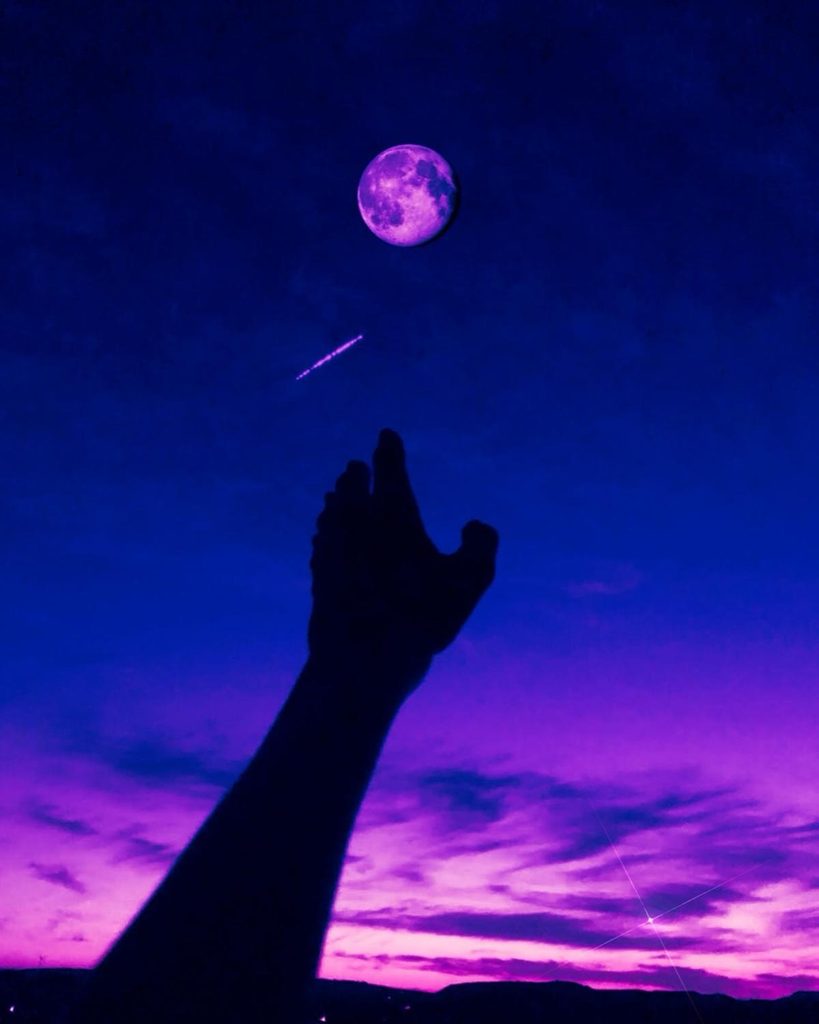
Q12. Has your definition of success changed as your audience and recognition have grown?
When I first started, success meant being published, exhibiting my work, or reaching a wider audience. Those milestones were incredibly meaningful because they gave me confidence that my voice was being seen. Seeing my work published in magazines like Vogue Greece and i-D or exhibited internationally felt like doors opening to new possibilities.
Today, my definition of success is much more personal. Of course, I’m still grateful for every publication, exhibition, and opportunity, but what matters most is creating work that feels honest to me. I want each project to challenge me creatively and to leave a lasting emotional impression on the people who experience it. If someone connects with an image in a way that stays with them long after they’ve seen it, that’s a success I value just as much as any award or publication.
Q13. As you move further into filmmaking, what creative risks are you most excited to take?
Filmmaking feels like a natural extension of everything I’ve been exploring through photography. For years, I’ve been trying to tell stories within a single frame. Now I’m excited to discover what happens when those frames begin to move while still preserving the same sense of mystery and emotional ambiguity.
The biggest creative risk I want to take is trusting emotion over explanation.
I’m interested in making films that don’t rely on dialogue or conventional narratives, but instead invite audiences to experience them through atmosphere, silence, light, and visual symbolism. I want to blur the boundaries between photography, cinema, and memory, creating films that feel less like stories being told and more like emotions being remembered. That uncertainty is what excites me most, because it’s where I feel the greatest creative freedom.
Q14. What lasting lesson would you share with the next generation of artists about staying true to themselves?
The most important lesson I’ve learned is that your greatest strength is your own perspective. It’s easy to compare yourself to others or feel pressured to follow trends, especially in a world where we’re constantly surrounded by images. But the work that truly lasts is the work that could only have been made by you. I’ve also learned that creativity isn’t about having all the answers it’s about staying curious, embracing uncertainty, and allowing yourself to grow.
Every project, every success, and every setback has taught me something new. If I could say one thing to the next generation of artists, it would be this: protect your curiosity, trust your intuition, and don’t be afraid to create work that reflects who you are rather than what you think people expect to see. Authenticity will always outlive trends.
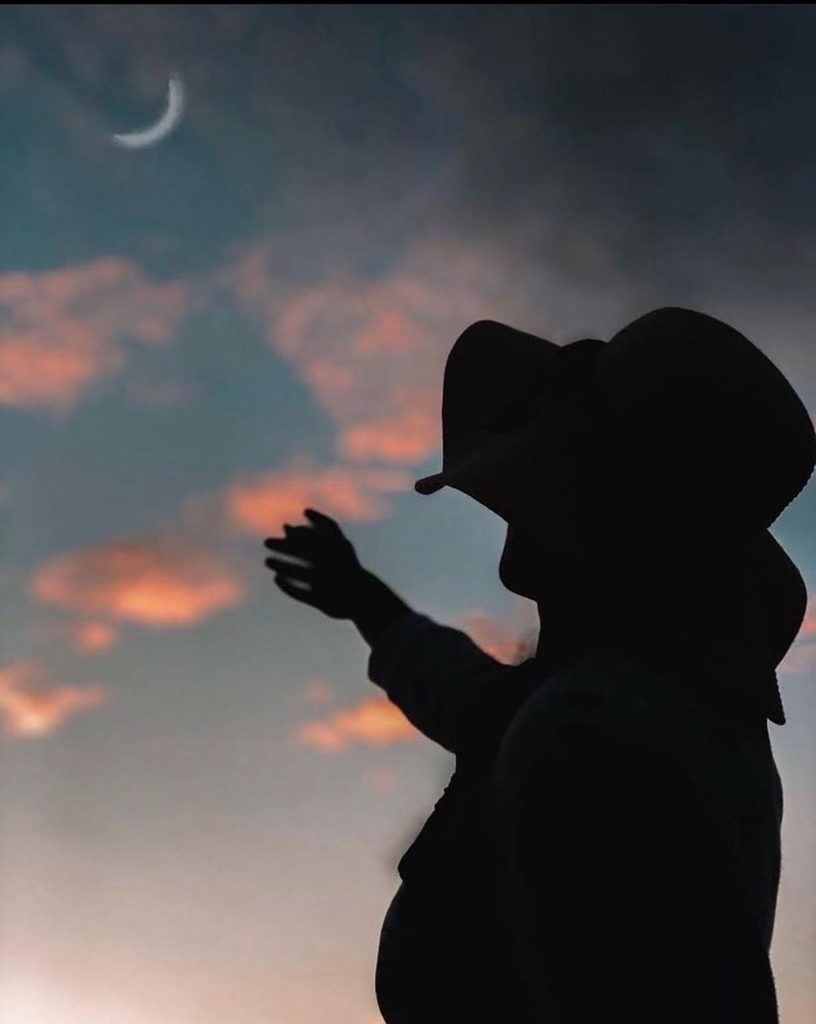
As our conversation with Stavri came to an end, we found ourselves thinking about mystery. About how little of it is left in the images we see every day, and how much we have lost by explaining everything.
We scroll through hundreds of pictures a day, most of them trying to tell us exactly what to think and feel in a single glance. Stavri’s work does the opposite. It holds something back. It gives you a mood, a shadow, a suspended moment, and then trusts you to finish the story with your own life.
And there is something generous in that. She is not chasing the loudest, biggest moments either, but the quiet, in-between ones, the small gestures and passing glances we barely notice until, years later, we realise they were the memories all along. Her photographs ask us to slow down and feel, which in a world moving this fast is its own quiet gift.
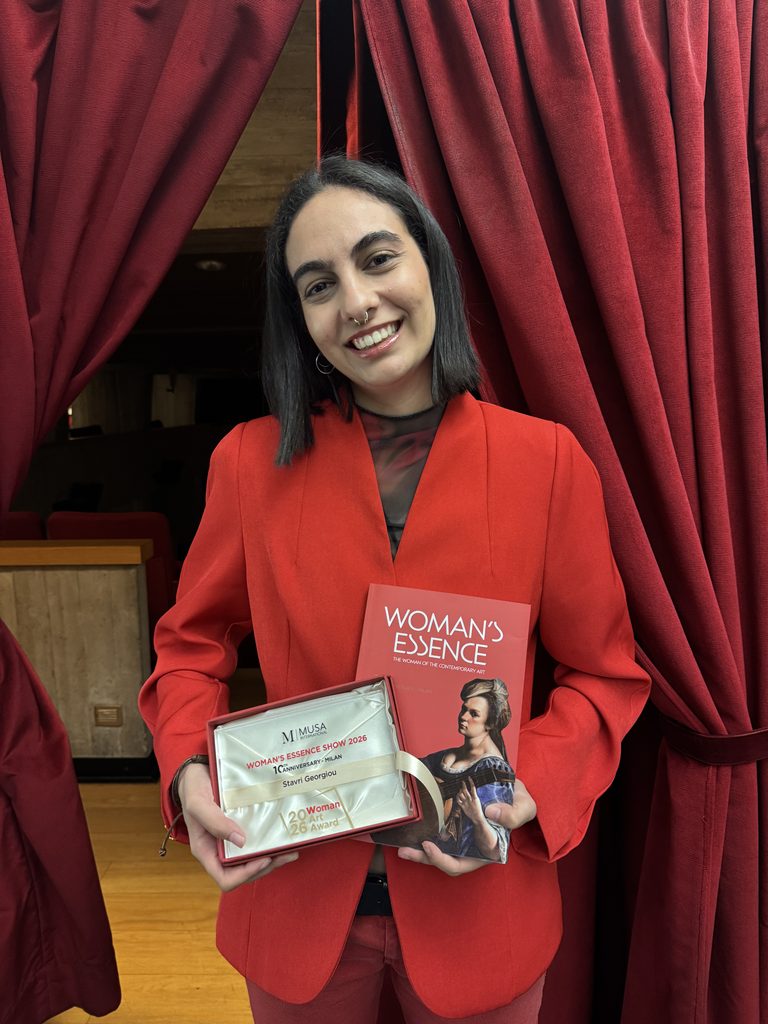
We think every artist needs to hear the lesson she keeps coming back to. That your own perspective is your greatest strength. It is so easy to compare yourself to everyone else, to chase whatever is trending, especially when you are surrounded by images all day.
But the work that truly lasts, she says, is the work that could only have been made by you. Protect your curiosity. Trust your instincts. Make the thing that is honestly yours, not the thing you think people want to see. Because trends fade, and authenticity does not.
For art lovers and collectors, Stavri’s work brings a rare kind of feeling into a room. Photographs that behave like scenes from a film, full of atmosphere and emotion and unanswered questions, the kind you keep returning to and reading differently each time. They do not hand you their meaning. They stay with you, quietly, long after you have looked away. To live with one is to keep a small, open-ended story on your wall, and a reminder that the most powerful images are the ones that simply let us feel.
Follow Stavri Georgiou through the links below and see her work for yourself.
The countdown is on. Our 101 Art Book: Faces Edition closes on 10 September 2026, and we would hate for you to miss it. We are looking for artists who know that a face is never just a face. It is a doorway into identity, memory, emotion, and everything a person hides beneath what the world sees.
Whether you paint, draw, photograph, sculpt, stitch, or collage, if your work goes deeper than the likeness, it belongs here. Medium, geography, and career stage mean nothing. A face that holds something worth a second look means everything. There is still time, but not much. Take a breath, and submit.