




Mandy Ross’s photography documents tribal traditions in a changing world
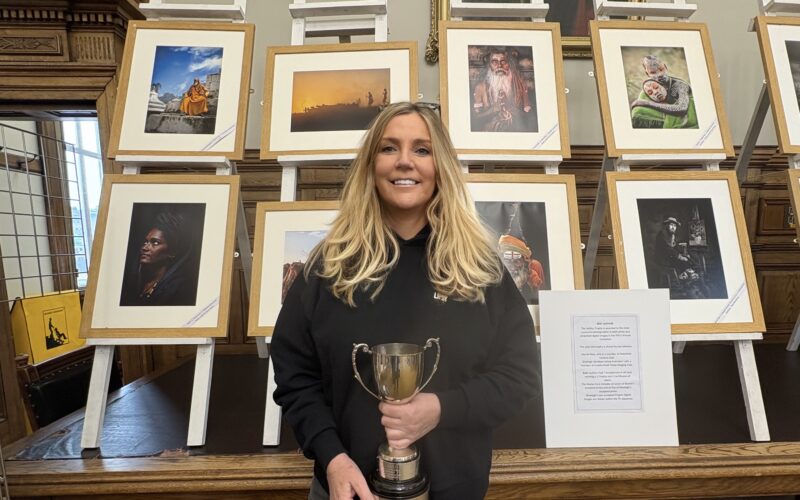
At Arts to Hearts Project, Art and Woman Edition 3 is full of women whose creative practices take them far beyond the expected boundaries of their medium. Mandy Ross is one of our selected artists for this edition. And her work, which she calls Stories in Skin, took us somewhere we genuinely were not expecting when we first opened her submission.
Born in the UK, Mandy is a portrait and documentary photographer whose work has taken her to some of the world’s most remote communities, from Ethiopia’s Omo Valley to Nepal, Haiti, India, and beyond. She photographs people, but her practice is about far more than making portraits.
Every photograph begins with time. She listens, observes, and builds trust across differences in language, culture, and geography before ever lifting her camera. What follows is not simply an image, but a portrait shaped by connection. Her subjects meet the viewer’s gaze with an honesty that speaks quietly yet powerfully.

Her work brings together Mursi women with their iconic lip plates, Hamar communities adorned in intricate beadwork, Karo people whose bodies are painted with chalk, sadhus in India, and children from villages rarely seen by the outside world.
Their traditions, identities, and ways of self-expression are deeply rooted in culture and heritage, and Mandy approaches each of them with care, respect, and remarkable sensitivity.
These are not photographs made from a distance. They emerge from relationships built through patience, openness, and mutual respect. That sense of closeness is present in every frame.
Mandy photographs them with a care and a dignity you can feel in every single image. These are not pictures taken from across a field with a long lens. They are made from inside a relationship that was built on warmth and respect and the kind of genuine curiosity that does not need a shared language to communicate.
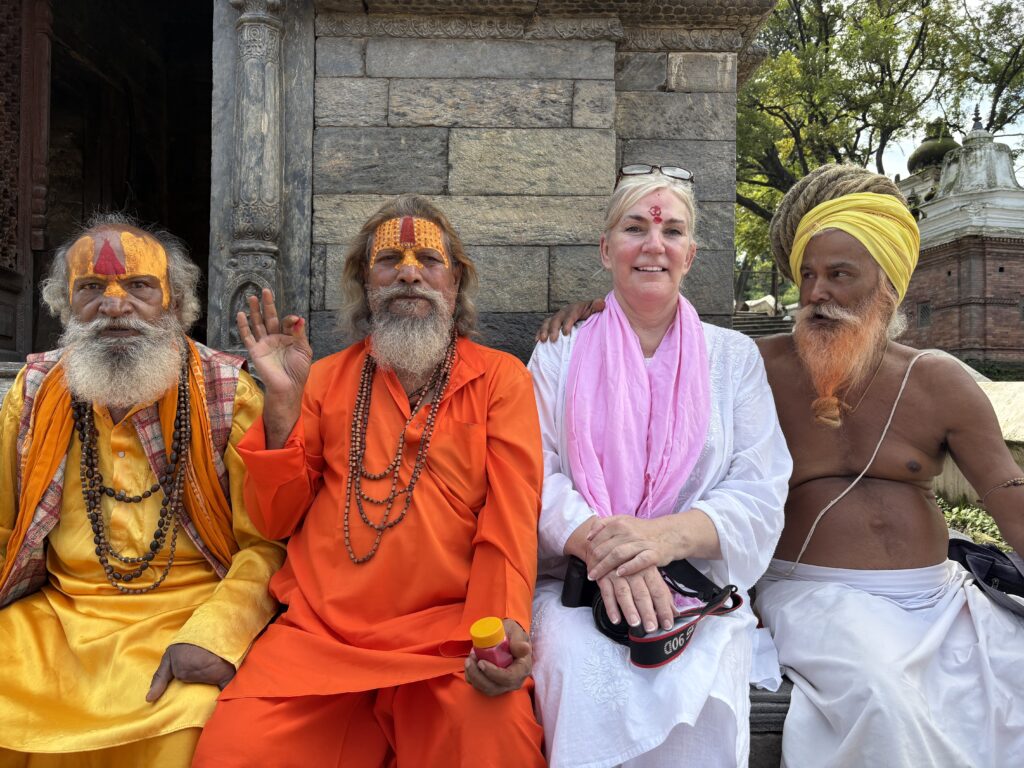
Women appear throughout her work and there is a reason for that. She is drawn to their strength and their resilience and their quiet role as the people who hold communities and families and traditions together even when the world does not bother to notice.
Her portraits are as much about connection as they are about photography. Through them, Mandy hopes to inspire a deeper understanding of the people she photographs and the stories, traditions, and identities they carry.
Blending fine art with documentary photography, Mandy approaches every image with a strong sense of responsibility. She thinks carefully about representation.
About power. About the difference between photographing with someone and photographing at them. Those are not small questions, and she does not give small answers to any of them.
Let’s hear from Mandy in her own words about trust, connection, and the experiences that shape her practice as a photographer.
Q1. Mandy, what first sparked your passion for photographing people and cultures around the world?
The seed was planted many years ago while scrolling through the work of photographers on Instagram. I found myself captivated by their images of people, cultures, and lives so different from my own. There was something powerful about the way a single portrait could tell a story, and I remember thinking, I’d love to try that myself. My heart has always been drawn to India, so it felt natural that my portraiture journey would begin there. The colours, spirituality, traditions, and incredible diversity of its people provided endless inspiration.
What started as curiosity soon became a passion, and from those first experiences grew a desire to travel further, meet people from different cultures, and use photography to celebrate the beauty, dignity, and individuality of communities around the world. Each journey since has simply built upon that original spark. India opened the door; the people I have met along the way are what keep me walking through it.
Q2. When did human connection become more important to you than the photograph itself?
My work is driven by connection rather than simply taking a photograph. While creating a strong image is important, the real reward comes from the relationships formed along the way. I am fascinated by people, their lives, traditions, and stories, and I believe the most meaningful portraits are created when there is trust between photographer and subject.
Many of the communities I photograph live very different lives from my own. Taking the time to sit with people, observe, listen, and share moments together allows me to move beyond the surface and create images that feel authentic. The camera becomes a bridge rather than a barrier. That connection is reflected in the photographs themselves.
A genuine glance, a relaxed expression, or a moment of quiet understanding often reveals far more than a carefully posed portrait ever could. For me, photography is not about collecting images; it is about celebrating humanity, building connections across cultures, and honouring the individuals who allow me into their world, even if only for a brief moment.
Q3. You’ve called your camera more than a tool, what does it let you experience that travelling alone cannot?
People often ask what photography gives me that travelling without a camera does not. The answer is connection. Without a camera, I am simply an observer passing through. With a camera, I have a reason to stop, to spend time, to be curious, and to engage with the people I meet. The camera opens doors that might otherwise remain closed. It creates opportunities for conversations, shared laughter, gestures, and moments of understanding that transcend language and cultural differences. Photography encourages me to look more deeply.
Rather than simply seeing a place, I begin to notice the people who give it life—their expressions, traditions, daily routines, and stories. The process of making a portrait often becomes more important than the photograph itself. The image is simply the final record of a connection that has already taken place. For me, the camera is not just a tool for recording what I see; it is a passport to human connection. It allows me to engage with people in a way that ordinary travel never could, transforming a journey through places into a journey through lives.
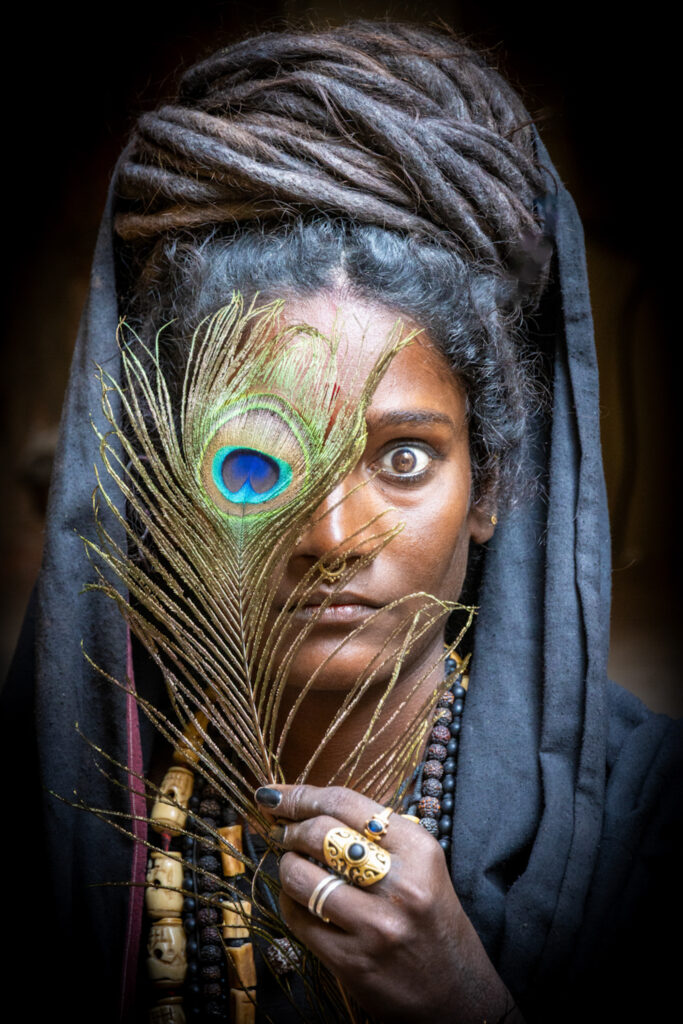
Q4. Your portraits subjects often look directly into the lens. How do you build the trust needed for such intimate portraits?
Many of my portraits are direct, with the subject looking straight into the lens. That level of eye contact requires trust, and trust cannot be demanded—it must be earned. Before I take a photograph, I try to create a calm and respectful environment. I spend time with people, observing, smiling, exchanging a few words where possible, and showing genuine interest in who they are.
Even when we do not share a common language, kindness, patience, and body language can communicate a great deal. I never want the camera to feel intrusive. Instead, I want it to become a natural part of the interaction. Often, the strongest portraits happen when the subject no longer sees me as a photographer, but simply as another person sharing a moment with them.
When someone looks directly into my lens, they are not really looking at the camera—they are looking at me. The intensity and honesty in those portraits come from a brief connection built on mutual respect. In that moment, there is an unspoken agreement: they trust me to tell a small part of their story, and I trust them to reveal something of themselves. That exchange is what gives my portraits their power. The photograph becomes more than a record of appearance; it becomes a record of connection.
Q5. What first drew you to body paint, adornment, and traditional forms of self-expression?
am often drawn to people whose appearance reflects their culture through body paint, face paint, scarification, jewellery, and traditional adornments. These visual elements immediately tell a story about identity, heritage, belonging, and tradition. They are not simply decorative; they are expressions of culture that have been passed down through generations.
What fascinates me is the diversity of human experience. Around the world, people have found different ways to express beauty, status, spirituality, and community. Through my photography, I hope to celebrate these differences rather than diminish them. In an increasingly globalised world, many traditional customs are disappearing, and I feel privileged to document some of these unique cultural practices while they still exist.
However, my work is not really about the paint, the piercings, or the scarification themselves. These are simply the visual language through which a deeper story is told. What interests me most is the person behind them.
The adornments may highlight the differences between our cultures, but the portraits often reveal something universal: pride, strength, dignity, curiosity, tenderness, and humanity. In many ways, my photographs explore both difference and connection. They celebrate the remarkable variety of cultures around the world while reminding us that, beneath these outward expressions of identity, we share many of the same emotions, hopes, and experiences.
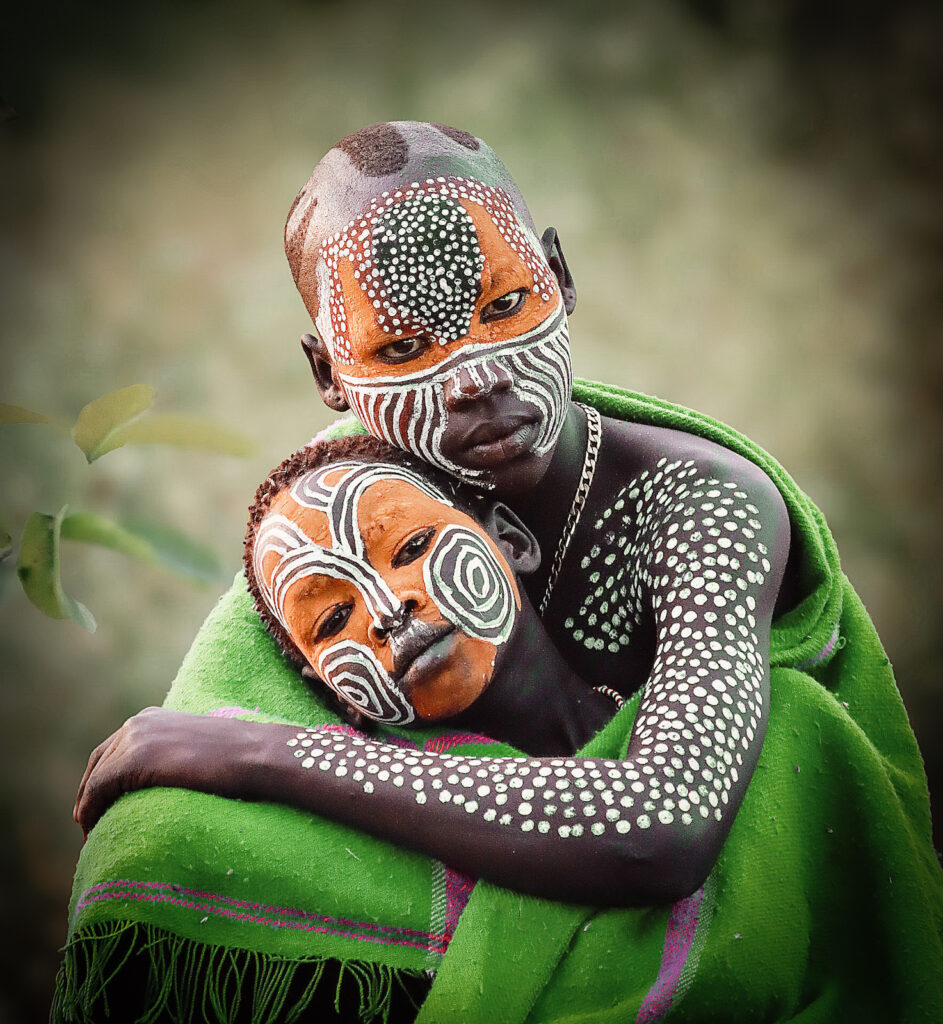
Q6. Women appear often in your work. What conversations do you hope to have through those portraits?
Women feature prominently in my photography because I am fascinated by their strength, resilience, and individuality. Across the many cultures I have visited, women are often the custodians of tradition, family, and community. Their stories are written not only in their faces but also in the lives they lead, the responsibilities they carry, and the traditions they preserve. Through my portraits, I hope to give visibility to women whose lives and experiences may otherwise go unseen by much of the world.
Many of the women I photograph live in remote communities, yet their stories are every bit as important and compelling as those of people living in large cities. I want viewers to pause, look beyond cultural differences, and recognise the dignity, beauty, and humanity of each individual. I am particularly drawn to the quiet strength that many women possess.
Whether it is a mother caring for her child, an elder carrying the wisdom of her community, or a young girl expressing herself through art and adornment, I am interested in capturing moments that reveal character rather than simply appearance. Ultimately, I hope my photographs encourage people to look more closely and with greater empathy. While the cultural details may initially attract the viewer’s attention, it is the woman herself—her presence, her confidence, her vulnerability, and her story—that I hope remains in their memory long after they have looked away
Q7. Many of your images celebrate individuality. Why do those themes resonate with you?
Individuality and self-expression resonate deeply with me because they reveal something unique about the person in front of the camera. While cultures may share traditions, no two people express those traditions in exactly the same way. Through body paint, jewellery, clothing, scarification, flowers, or personal adornment, individuals make choices about how they wish to present themselves to the world.
As a photographer, I am fascinated by that balance between belonging and individuality. Many of the people I photograph are part of strong cultural communities, yet each person still possesses their own character, confidence, creativity, and sense of identity. I am drawn to those subtle differences that make someone unmistakably themselves. Perhaps it also reflects my belief that every person has a story worth telling.
Photography allows me to celebrate those stories and preserve a moment of self-expression that might otherwise pass unnoticed. Whether it is a young Suri girl decorating herself with flowers, a woman applying intricate face paint, or an elder proudly wearing symbols of her heritage, I see these acts as powerful expressions of identity and pride. What interests me most is not simply how people look, but how they choose to be seen. Through my portraits, I hope to honour that individuality and encourage viewers to appreciate both the diversity of human cultures and the uniqueness of every individual within them.
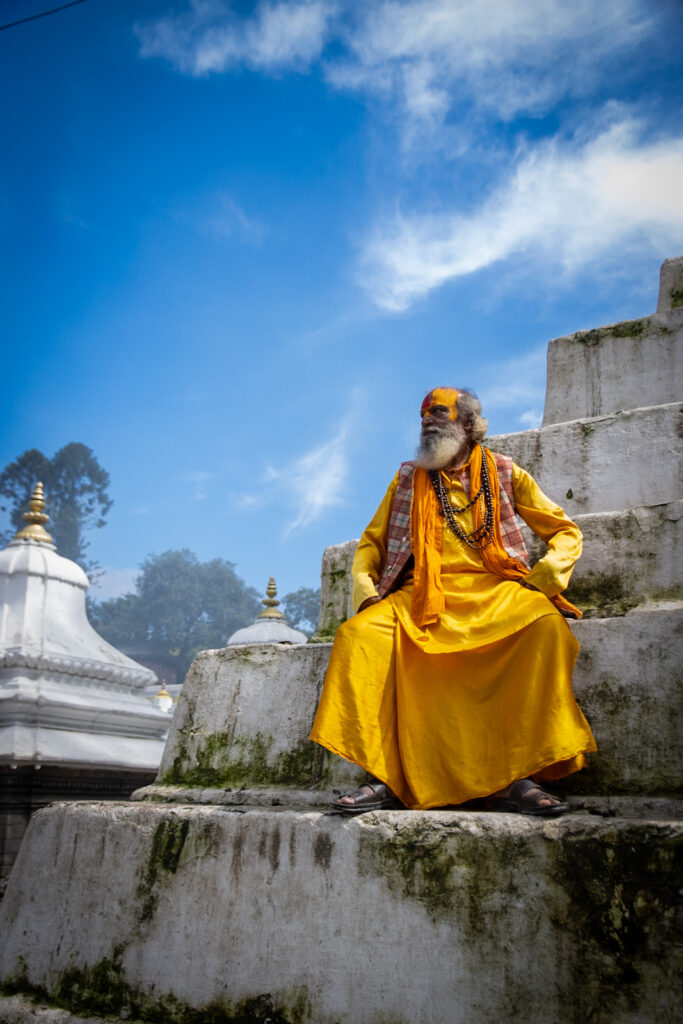
Q8. You work across very different cultures. How do you keep the power balanced photographing with people rather than at them?
Photographing a wide variety of tribes and cultures brings both opportunity and responsibility. It is important that my work remains balanced, respectful, and honest. While I am naturally drawn to visually striking elements such as body paint, scarification, jewellery, and ceremonial adornment, I try to remember that these are only one part of a much larger story.
Balance comes from looking beyond the surface. Alongside portraits that celebrate cultural identity and tradition, I aim to photograph moments of everyday life—mothers caring for children, friends sharing conversations, people working, resting, laughing, and interacting with one another. These quieter moments help create a fuller and more authentic representation of the communities I visit. I also strive to approach each person as an individual rather than as a representative of an entire culture.
While traditions and customs are important, every person has their own personality, experiences, and story. By recognising this, I hope my photographs avoid stereotypes and instead reveal the humanity that exists within every culture. Ultimately, I want my work to celebrate both difference and commonality. The traditions, adornments, and customs may be unfamiliar to many viewers, but the emotions, relationships, and human experiences they represent are often universal. Maintaining that balance helps ensure that my photographs are not simply about what makes people different, but also about what connects us all.
Q9. Portrait photography requires deep trust. How do you build it when you often don’t share a language?
Trust is not built through language alone. In many of the places I visit, we share very few words, and sometimes none at all. Yet human connection often exists beyond language. A smile, eye contact, patience, respect, and genuine curiosity can communicate far more than a conversation. Being a woman often helps me build those connections. Many of the women I photograph seem comfortable approaching me, and I am often welcomed into spaces and conversations that might feel less accessible to others. I am naturally open, friendly, and smile a great deal, and I believe that warmth helps put people at ease long before I ever lift a camera to my eye.
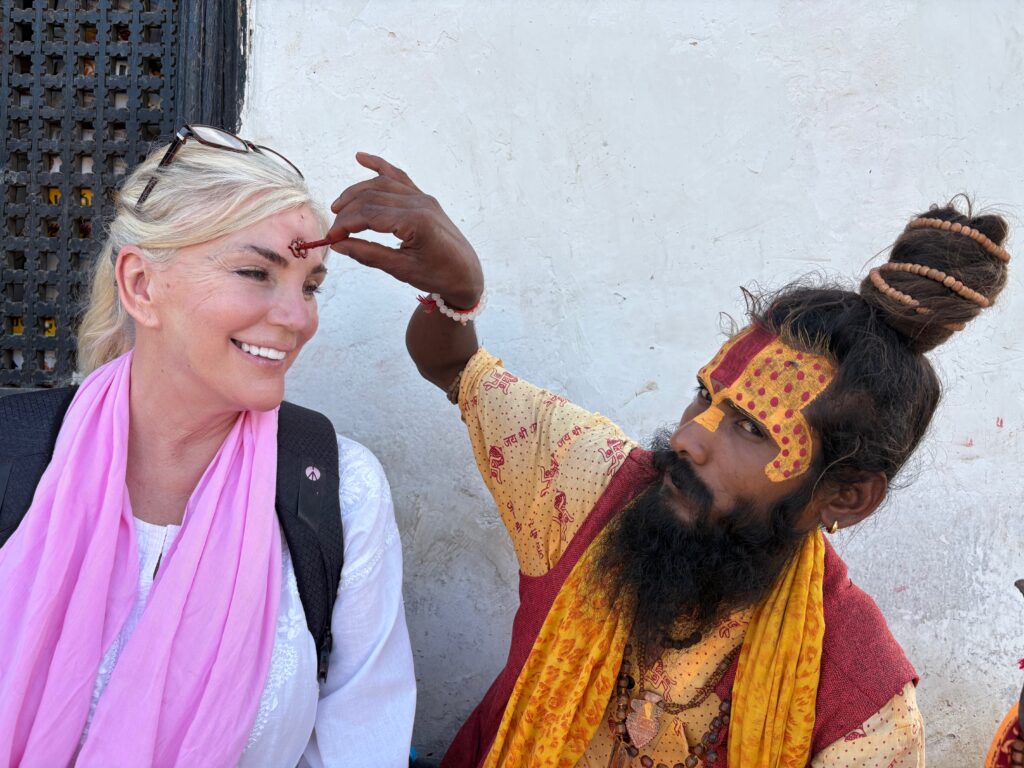
I am also very aware that I look very different from the people I photograph. As a blonde-haired white woman travelling through remote communities, I am often as much a curiosity to them as they are to me. Rather than seeing this as a barrier, I find it often becomes a starting point for interaction. There is frequently laughter, curiosity, and mutual interest as we observe one another. Those moments help break down initial reservations and create an atmosphere of openness.
Over time, I have learned that trust is built not by what I say, but by how I behave. Taking time, showing respect, sharing smiles, and demonstrating a genuine interest in people’s lives creates an environment where the camera becomes secondary. Once that trust is established, the portrait becomes a collaboration rather than an observation. In many ways, the photographs are proof that meaningful connections can be formed even when people do not share a common language. They remind us that kindness, curiosity, and respect are understood almost everywhere in the world.
Q10. Can photography challenge how women are traditionally seen or represented?
do believe that photography has the power to change people’s perceptions of others. A photograph can introduce us to people, cultures, and ways of life that we may never encounter in person. It can challenge assumptions, encourage curiosity, and create understanding where there was previously distance or misunderstanding. Many of the communities I photograph are often seen through a lens of difference. Viewers may initially notice the body paint, scarification, jewellery, or cultural traditions because they appear unfamiliar.
However, my hope is that after that first reaction, people begin to see something deeper. They recognise a mother’s love for her child, a young girl’s confidence, an elder’s dignity, or the pride someone takes in their identity and heritage.
Photography can be a powerful reminder that while our lives may look very different on the surface, many of our emotions and experiences are shared. We all seek belonging, connection, purpose, and love.
When a viewer spends time with a portrait and feels a connection to someone whose life is completely different from their own, barriers begin to disappear. I do not believe photography changes the world overnight, but I do believe it can change individual perceptions.
Sometimes all it takes is a single photograph to replace a stereotype with understanding, or to turn a distant stranger into someone we recognise as a fellow human being. That is one of the reasons I continue to photograph people. Beyond creating images, I hope my work encourages viewers to look with curiosity rather than judgement, and with empathy rather than assumption.
Q11. Each community has its own language of adornment. What have those traditions taught you about beauty?
Spending time with tribal communities has changed the way I think about beauty. In many parts of the world, beauty is not defined by fashion, trends, or commercial ideals. Instead, it is deeply connected to culture, identity, creativity, and self-expression. Watching people use body paint, flowers, beads, scarification, and traditional adornments has shown me that beauty can take countless forms and that there is no single standard by which it should be judged.
These experiences have encouraged me to look more closely at my own environment. I have become more aware of the beauty that exists in individuality—the things that make people unique rather than the things that make them conform. What one culture celebrates as beautiful may be very different from another, yet each expression is equally meaningful to the people who embrace it. The tribal communities I have photographed have also taught me to appreciate authenticity.
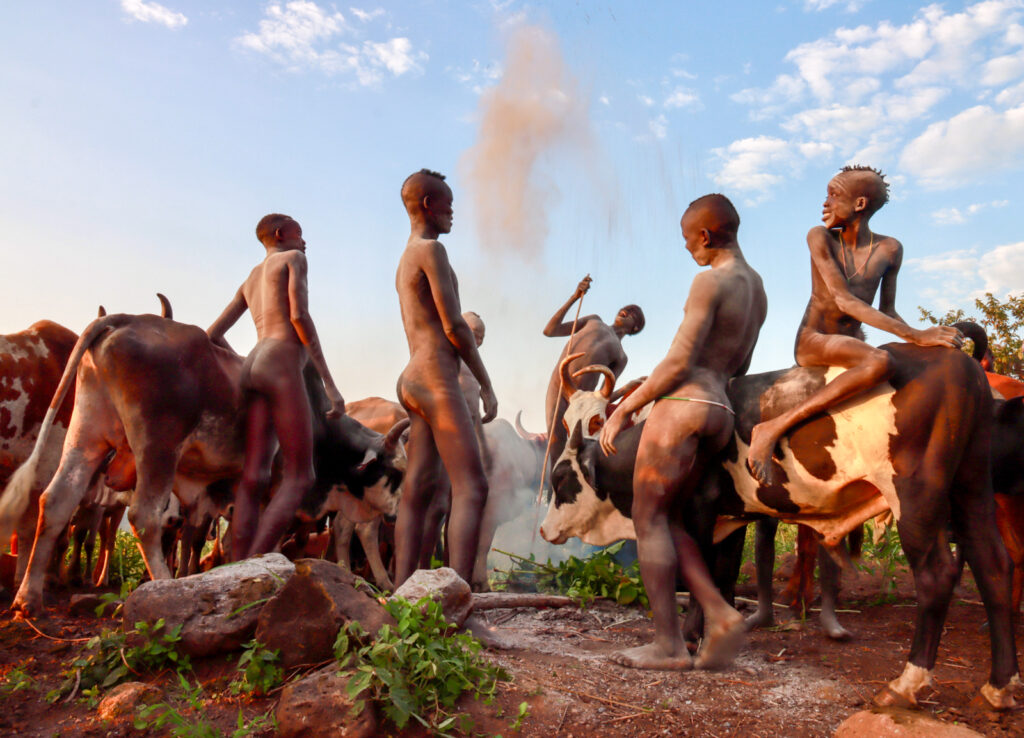
Many of the people I meet wear their traditions with pride, not because they are trying to impress others, but because these customs connect them to their history, community, and sense of self. That confidence in identity is something I find deeply inspiring. Perhaps the most important lesson has been that beauty is far broader than appearance alone. It can be found in resilience, dignity, connection, wisdom, kindness, and pride.
As a result, I now look for beauty not only in how people present themselves, but in who they are and the stories they carry. The more I travel, the more I realise that beauty is not something that belongs to one culture or one ideal. It exists everywhere, often in places and people we might otherwise overlook if we do not take the time to truly see them.
Q12. When someone buys a portrait and takes it home, what responsibility does that carry?
When someone buys one of my photographs, whether it is a sadhu from India or a child from a remote tribal community, I feel both pride and responsibility. Pride because the image has connected with someone strongly enough that they want to live with it and see it every day. Of all the photographs they could have chosen, something about that individual, that moment, or that story has resonated with them. At the same time, I am very conscious that I am not simply selling a photograph.
I am sharing the image of a real person who trusted me enough to allow me into their world. That trust carries a responsibility to represent them with dignity, honesty, and respect. I never want my subjects to be viewed as curiosities or stereotypes. Instead, I hope they are seen as individuals with their own stories, identities, and humanity. When someone takes one of my photographs into their home, I hope they become a custodian of that story. The image is no longer just mine; it becomes part of their life as well.
My hope is that the photograph continues to spark curiosity, conversation, and reflection. Perhaps visitors ask who the person is, where they live, or what their life might be like. In that way, the photograph continues to build connections long after it was taken. The greatest compliment is not simply that someone admires the image, but that they feel a connection to the person within it.
If a photograph encourages someone to look beyond appearances, question assumptions, or feel empathy for a stranger on the other side of the world, then it has achieved something meaningful. In many ways, every photograph I sell carries a shared responsibility. Mine is to tell the story with respect and integrity. The viewer’s is to look with curiosity, understanding, and an open mind.
Q13. Is there a photograph of yours you feel hasn’t been seen enough one that deserves more attention?
People sometimes ask whether there is a particular photograph that I feel should have gone further or received more recognition than it did. The honest answer is not really. Photography is incredibly subjective. Every image speaks differently to different people, and every audience brings its own tastes, experiences, and preferences. A photograph that wins awards or receives widespread attention in one setting may pass almost unnoticed in another, while an image I might not have expected to resonate can suddenly capture people’s imagination.
Over the years, I have learned not to become too attached to how a photograph performs. Once an image leaves my hands and is shared with the world, it takes on a life of its own. Different viewers connect with different stories, emotions, colours, and subjects, and that diversity of response is one of the things that makes photography so fascinating. Rather than worrying about whether a photograph has received the recognition it deserves, I prefer to keep moving forward.
I continue to create new work, enter exhibitions and competitions, and share my images with different audiences. Sometimes a photograph finds its audience immediately; sometimes it takes years. My role is simply to keep photographing, keep exhibiting, and trust that the images will eventually find the people they are meant to connect with.
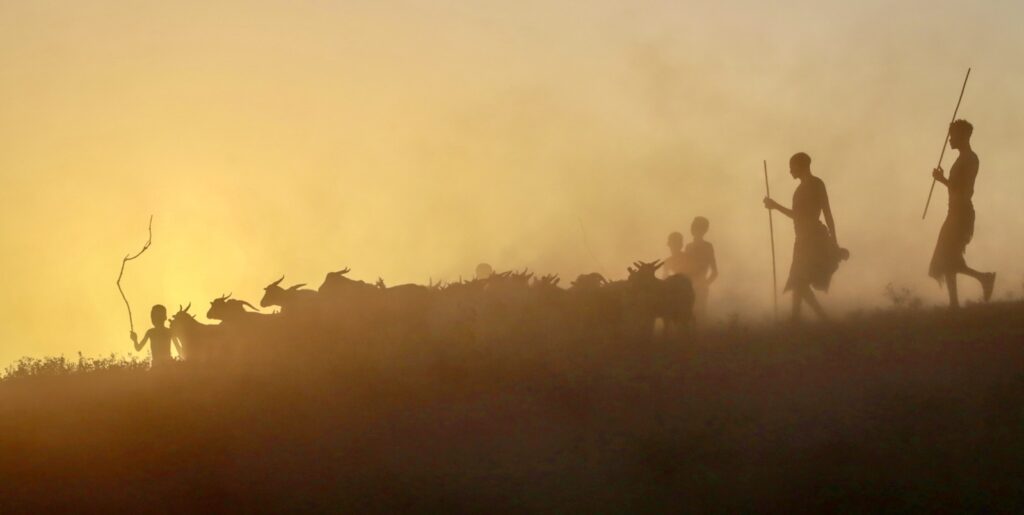
Q14. What does a good day in the field feel like not the great shot, just a day where everything feels right?
What does a good day out in the field look like? For me, it starts long before the camera comes out. It is about being in the right place, taking time to observe, and allowing the day to unfold naturally rather than chasing photographs. A good day is one where I make genuine connections with people. It might involve sharing smiles, spending time in a village, watching daily life unfold, or simply sitting quietly and observing.
Some days I may take very few photographs, but if I have learned something about the people and culture around me, it still feels like a successful day. The best days are often unpredictable. I may set out with a particular image in mind, only to discover something completely different and far more interesting. Being open to those unexpected moments is one of the joys of travel photography.
Of course, there is always a thrill when everything comes together and I capture a photograph that feels special. Usually, it is not because it is technically perfect, but because it contains a genuine connection, an authentic expression, or a moment that says something meaningful about the person in front of the lens.
At the end of a good day, I return tired, dusty, and often sunburnt, but feeling privileged. Privileged to have spent time with remarkable people, to have been welcomed into their world, and perhaps to have come away with a photograph that tells a small part of their story.
Q15. How has your understanding of your responsibility as a photographer evolved over time?
My understanding of responsibility has evolved significantly over time. When I first began photographing people from different cultures, I was naturally drawn to the visual aspects of the image—the colours, the traditions, the body paint, the jewellery, and the uniqueness of what I was seeing. While those elements still attract me today, I have come to realise that photography carries a much deeper responsibility. As my experience has grown, I have become increasingly aware that every photograph represents a real person who has trusted me to tell a small part of their story.
The images are not simply about creating something visually striking; they are about representing people with honesty, dignity, and respect. I have also learned that it is important to look beyond what makes people appear different and to recognise the common humanity we all share. While cultural traditions may initially capture a viewer’s attention, I hope my photographs encourage people to see the individual behind the adornment, the paint, or the ceremony.
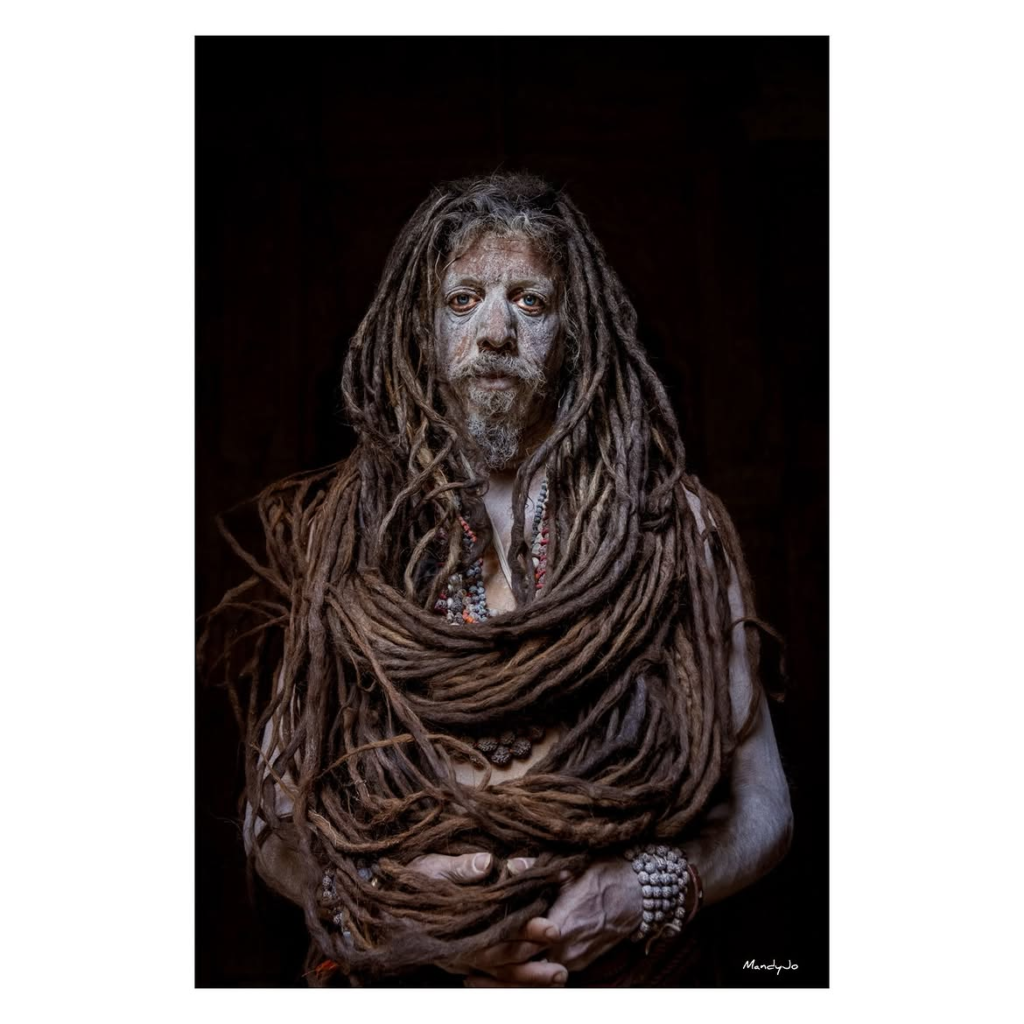
Over time, I have become more thoughtful about the stories my photographs tell and the assumptions they might reinforce or challenge. I want my work to celebrate cultures rather than sensationalise them, and to create understanding rather than simply curiosity. Today, I see my role not just as a photographer, but as a bridge between worlds. I have the privilege of meeting people whose lives are very different from my own, and with that privilege comes a responsibility to portray them fairly, respectfully, and truthfully.
The longer I photograph, the more important that responsibility becomes. Ultimately, my responsibility is not only to make a compelling photograph, but to honour the trust that made the photograph possible in the first place.
Q16. Who is the primary audience for this work the communities, the art world, or unfamiliar viewers?
My work speaks to several audiences, but perhaps its primary audience is people who are unfamiliar with the communities and cultures I photograph. Many viewers will never visit the Omo Valley, rural India, or some of the remote places I have travelled to, so photography becomes a way of introducing them to people and traditions they might otherwise never encounter.
At the same time, I hope my work resonates with fellow photographers and artists. Photography has the unique ability to communicate across boundaries, and I enjoy sharing not only the stories of the people I meet but also my own creative journey and way of seeing the world. However, I never forget that the most important audience is, in many ways, the people I photograph themselves.
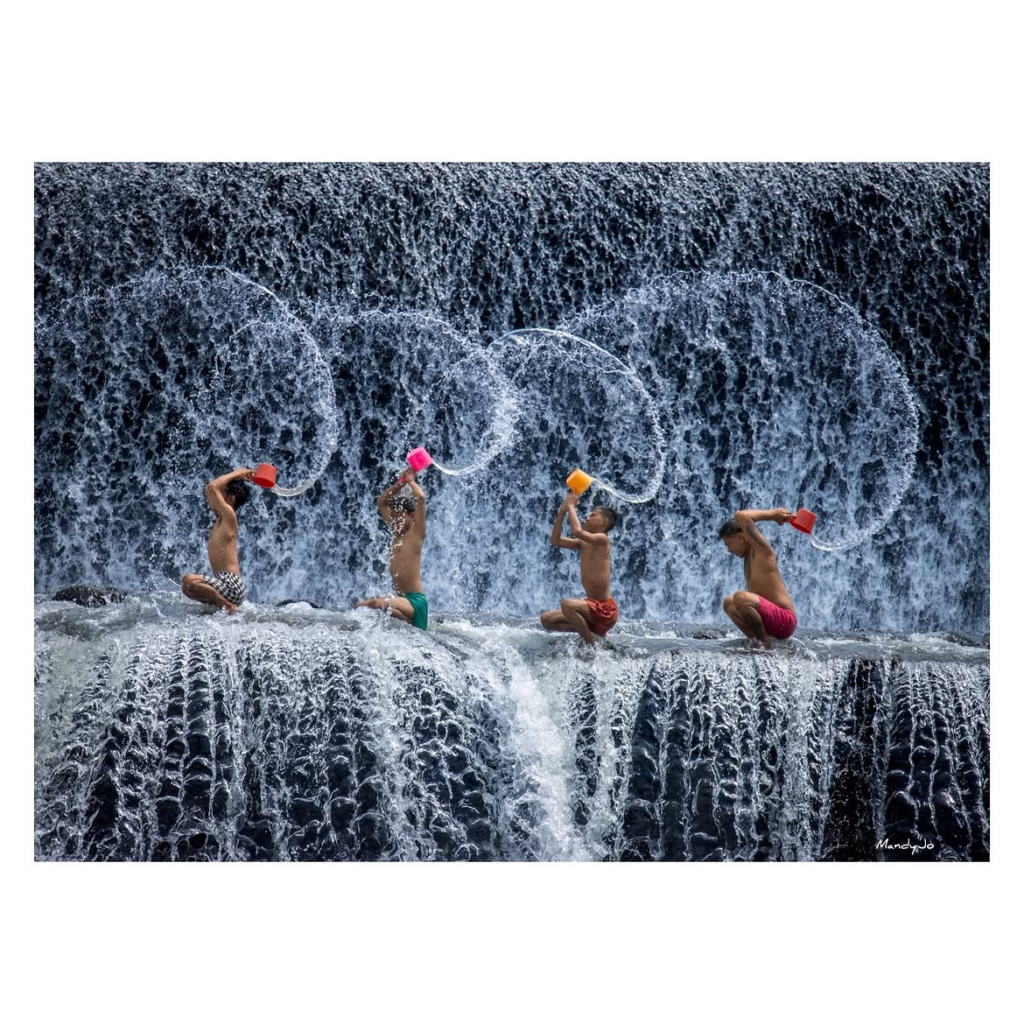
Although many may never see the finished images hanging in galleries or displayed in exhibitions, I feel a responsibility towards them. Their trust, openness, and willingness to be photographed are the foundations of my work. Without them, none of these photographs would exist. Rather than creating work exclusively for one audience, I see my photography as a bridge between worlds.
The people I photograph are at one end of that bridge, and viewers are at the other. My role is to create a connection between them that is built on curiosity, understanding, and respect. If someone walks away from one of my exhibitions feeling they have learned something new about another culture, challenged an assumption, or connected with a person they would otherwise never have met, then I feel the photograph has fulfilled its purpose.
Q17. Are documentary and fine-art photography becoming increasingly blurred?
I do think the boundaries between photography and fine art have become increasingly blurred. Photography was once viewed primarily as a way of documenting reality, whereas fine art was often associated with interpretation, imagination, and personal expression. Today, those distinctions are far less clear. Many contemporary photographers, myself included, are not simply recording what is in front of the camera. We make choices about composition, light, colour, presentation, and storytelling.
Every decision reflects a personal vision and shapes how the viewer experiences the image. In that sense, photography can be every bit as expressive and creative as painting, sculpture, or any other art form. At the same time, photography retains a unique connection to reality. The people and places I photograph are real, and that authenticity remains important to me.
While my images may be artistic, they are still rooted in genuine encounters, real cultures, and lived experiences. Perhaps the most interesting aspect is that viewers are becoming less concerned with labels. They are often less interested in whether something is classified as photography or fine art and more interested in whether it moves them emotionally, challenges their thinking, or sparks their imagination. For me, photography sits comfortably within the world of fine art.
My work is not simply about documenting what I see; it is about creating images that encourage people to look more closely, feel a connection, and reflect on the lives and stories of others. Whether that is called photography, fine art, or both is perhaps less important than the impact the image has on the viewer.
Q18. How do you feel about the way African communities have historically been represented in Western photography?
The way Africa has been photographed and presented to Western audiences has changed over time, but it remains a complex subject. Historically, much of the imagery that reached the West focused on difference, hardship, conflict, poverty, or the exotic. While these stories are sometimes part of reality, they often represented only a small part of a much richer and more diverse picture.
As a photographer, I am conscious of that history. It has made me think carefully about how I approach the people and communities I photograph. I want my work to be rooted in respect and curiosity rather than judgement or sensationalism. While I am often drawn to cultural traditions, body art, and forms of self-expression that may appear unfamiliar to Western viewers, I hope the photographs go beyond those initial visual differences. What interests me most is the individual.
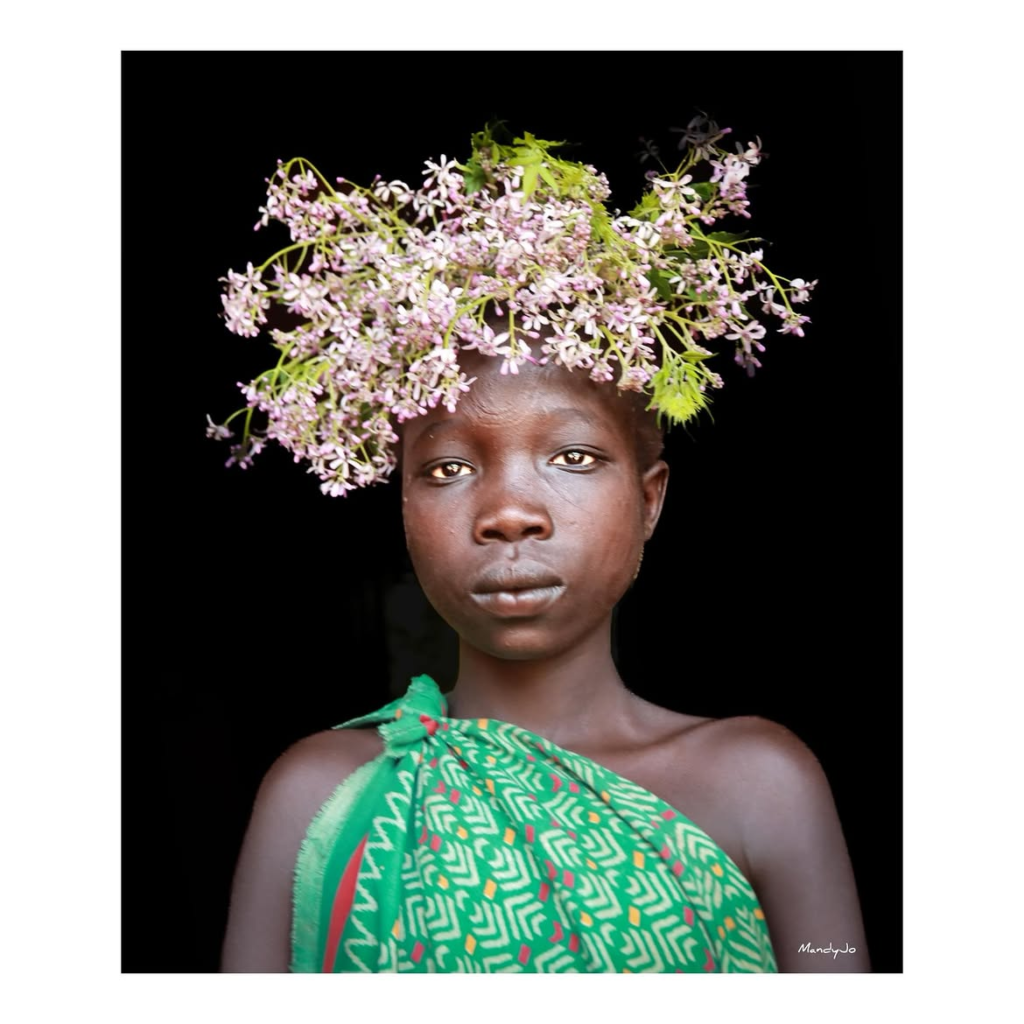
I want viewers to see people as people first, rather than as symbols of a place, a tribe, or a stereotype. The women, men, and children I photograph are not there simply to represent a culture; they are individuals with their own personalities, emotions, strengths, and stories. I think photography has the power either to reinforce assumptions or to challenge them. My hope is that my work encourages viewers to look beyond preconceived ideas and see a more nuanced and human picture.
Rather than focusing solely on what makes people different, I want my photographs to reveal the dignity, resilience, pride, beauty, and humanity that connect us all. Ultimately, I believe the responsibility of a photographer is not to speak for people, but to photograph them with honesty and respect. If my work helps viewers move beyond stereotypes and develop a deeper appreciation of the richness and diversity of African cultures, then I feel it has achieved something worthwhile.
Q19. If someone viewed this work fifty years from now, what would you hope they understand about the people at its centre?
people were viewing my work fifty years from now, I would hope they would see humanity at its core. The photographs may show cultures, traditions, body paint, scarification, jewellery, and ways of life that have changed or perhaps even disappeared with time. They may serve as a historical record of communities and customs that future generations can no longer experience firsthand.
That would certainly be important. But beyond the cultural and documentary value, I would hope viewers see something more enduring. I would hope they see people. Individuals with dignity, character, strength, vulnerability, pride, and joy. I would hope they recognise that, despite differences in geography, culture, and appearance, the emotions and experiences that connect us remain remarkably similar. I would also hope that people could see the respect and trust that existed between photographer and subject. Many of these portraits were only possible because someone welcomed me into their world for a brief moment and allowed me to tell a small part of their story.
If that sense of connection is still visible fifty years from now, then I would feel I had succeeded. Perhaps most of all, I would hope my work encourages future viewers to remain curious about one another. The world will undoubtedly continue to change, but curiosity, empathy, and human connection will always matter. If there is one thing I would want people to find at the centre of my work, it is this: that however different we may appear on the surface, our shared humanity is far greater than the things that divide us.
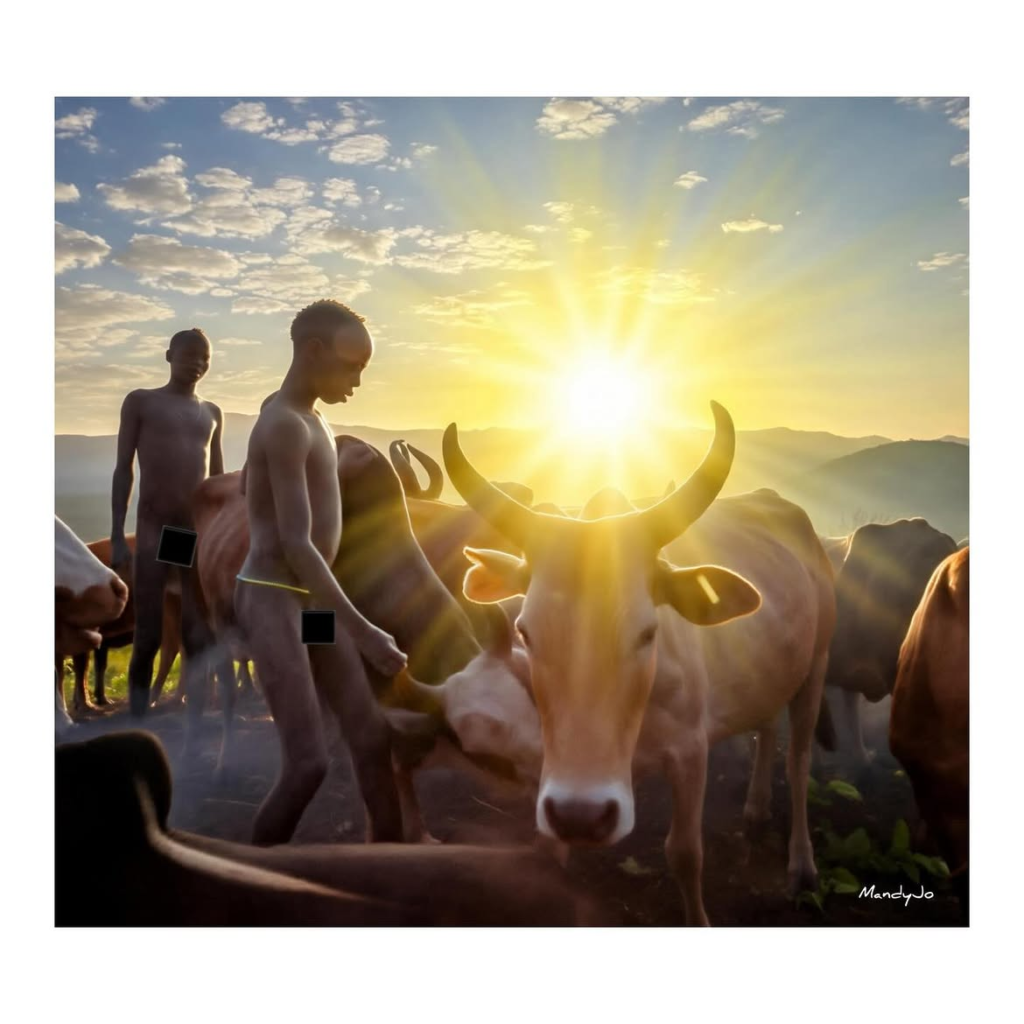
As our conversation with Mandy drew to a close, we found ourselves thinking about looking. Not the casual kind we all do a hundred times a day. The real kind. The kind where you actually see the person in front of you instead of just registering that they exist.
Because that is the dividing line in all portrait photography and honestly in all human interaction. You can look at someone and make a beautiful image and still leave them feeling like a specimen rather than a person. You can create something technically stunning that treats a human being as visual material rather than a whole life with its own weight and its own story.
Mandy does not do that. Every image she makes comes from a moment of real connection between two people. And you can see that connection in the photograph. In the directness of the gaze. In the ease on the face. In the unmistakable feeling that the person in this image wanted to be here and chose to look at this particular photographer with this particular openness.
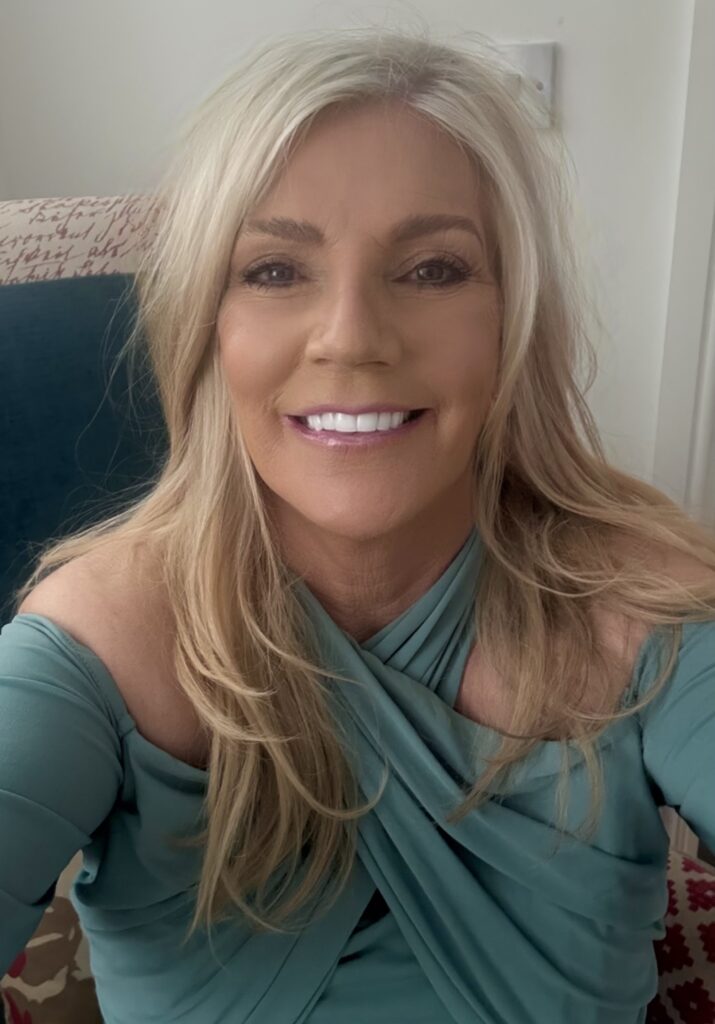
That matters for anyone who works with other people’s stories. Whether you are a photographer or a painter or a writer or a filmmaker. The question is never just can I make something powerful from this. The question is does the person at the centre of it feel honoured by what I made. Mandy asks that question every time and the answer is always there in the work for anyone willing to look.
Her years of travelling to communities whose traditions are slowly disappearing also sat with us. Because Mandy is quietly building a record of cultural practices that future generations may only ever see through photographs. That is a big responsibility and she holds it with the seriousness it deserves without ever letting the weight of it flatten the humanity in the images. The people in her photographs are never reduced to their traditions. They are always individuals first. The beadwork and the body paint and the lip plates are there but they are never the point. The person is always the point.
For art lovers and collectors, Mandy’s portraits bring something into a space that no other kind of image can replicate. These are not pictures of people. They are records of moments where a stranger on one side of the world and a stranger on the other found a way to see each other clearly across every difference that should have made it impossible.
That exchange lives in every frame and it does not diminish with time. The directness, the dignity, the richness of cultural detail, and the unmistakable warmth between photographer and subject create a presence on a wall that invites conversation and reflection and a genuine expansion of how you see the world and the people in it.
Follow Mandy Ross through the links below and see her work for yourself.