



Originals vs Fine Art Prints? A Collector’s Guide to Choosing Art

An artwork doesn’t stop telling its story after the final brushstroke. Sometimes it exists as a one of a kind original, shaped entirely by the artist’s hand. Other times, it reaches more people through carefully produced fine art prints that faithfully preserve the essence of the original. While these two forms often share the same image, they are not the same object, and they were never meant to be.
Original artworks and fine art prints each have their own purpose, value, and place within the art world. An original carries the physical presence of the artist’s process, from every layer of paint to every subtle texture. A fine art print, on the other hand, extends the life and reach of that work, allowing it to be experienced and collected in a different way without replacing the significance of the original.
The conversation isn’t about deciding which is “better.” An original will always remain exactly that: unique, irreplaceable and deeply personal to its maker. Instead, understanding the distinction between originals and prints helps us better appreciate how art is created, shared, exhibited, and collected. In this guide, we’ll explore what sets them apart, where their value comes from, and why both continue to play an important role in today’s art world.
What Is an Original Artwork?
An original artwork is the first and only physical piece created directly by an artist. Whether it is a painting, drawing, sculpture, textile work, or mixed media creation, it represents the artist’s vision in its most authentic form. Every brushstroke, texture, mark, and material is part of the creative process, making the work entirely unique.
Unlike reproductions, an original cannot be duplicated in the truest sense. Even if an artist creates a series of paintings based on the same subject, each one is considered an individual original because it is made by hand and carries its own subtle differences. These variations are part of what gives original art its character and individuality.
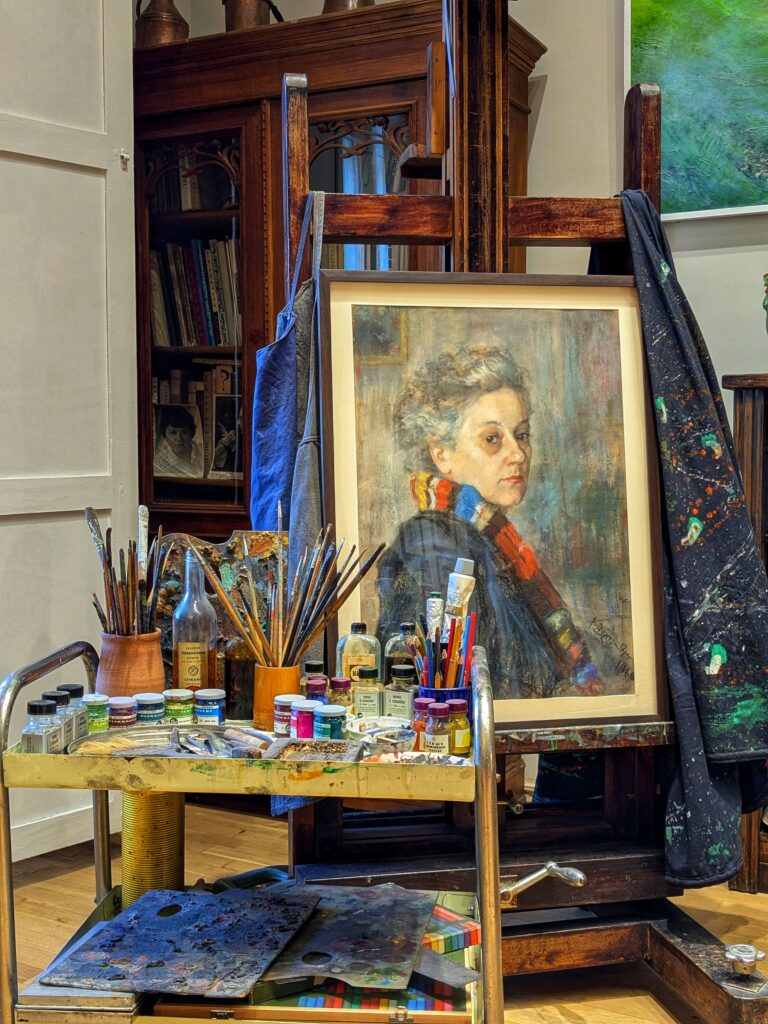
Original artworks often hold the greatest emotional and historical significance because they are the exact pieces the artist created in the studio. They capture decisions, revisions, and moments of spontaneity that become part of the work itself. For many collectors, galleries, and museums, this direct connection to the artist’s hand is one of the defining qualities that makes original art so meaningful.
While original artworks are typically higher in value due to their uniqueness, their importance extends far beyond price. They represent the beginning of an artwork’s journey, serving as the source from which exhibitions, publications, and, in many cases, fine art prints are later produced.
What Is a Fine Art Print?
A fine art print is a high quality reproduction of an original artwork, created with the artist’s permission and produced using professional printing methods. Unlike decorative posters or mass produced copies, fine art prints are made to preserve the colors, details, and character of the original as accurately as possible. Their purpose is not to replace the original, but to make the artwork accessible to a wider audience while respecting its integrity.
Today, many artists choose to offer prints alongside their original works. This allows more people to enjoy and collect their art, even after the original has been sold or placed in a private or museum collection. For artists, prints also create an additional way to share their work without diminishing the uniqueness of the original piece.
Not all fine art prints are the same. Some are released as open editions, meaning there is no limit to the number of prints that can be produced. Others are limited editions, where only a fixed number of prints are made, often numbered and signed by the artist. Limited editions are generally considered more collectible because of their rarity, while open editions focus on making art widely available.
The quality of a fine art print depends on both the printing process and the materials used. Archival pigment inks, museum grade papers, and canvas reproductions are designed to ensure that a print remains vibrant for decades when properly cared for. While a fine art print may faithfully reflect the appearance of the original, it remains a distinct work in its own right, created for a different purpose and experienced in a different way.
Original Artwork vs. Fine Art Prints
At a glance, an original artwork and a fine art print can appear almost identical. Yet the similarities often end there. From the way they are created to how they are collected and valued, each has qualities that make it distinct. Understanding these differences helps build a deeper appreciation for both.
Creation
An original artwork is created entirely by the artist’s hand, making it the first and only version of that piece. A fine art print, in contrast, is produced from the original using professional printing techniques that faithfully reproduce its appearance while preserving the original itself.
Uniqueness
Every original artwork is one of a kind. Even when an artist paints the same subject more than once, each piece is considered an individual original because no two handmade works are ever exactly alike. Fine art prints exist in multiple copies, either as open editions with no set limit or limited editions produced in a fixed quantity.
Surface and Texture
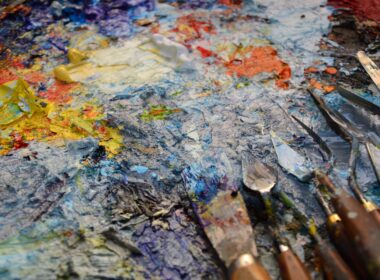
One of the defining characteristics of an original artwork is its physical presence. Brushstrokes, layers of paint, pencil marks, and textured surfaces all become part of the viewing experience. Fine art prints capture the visual details of these elements, but they cannot fully replicate the tactile qualities of the original.
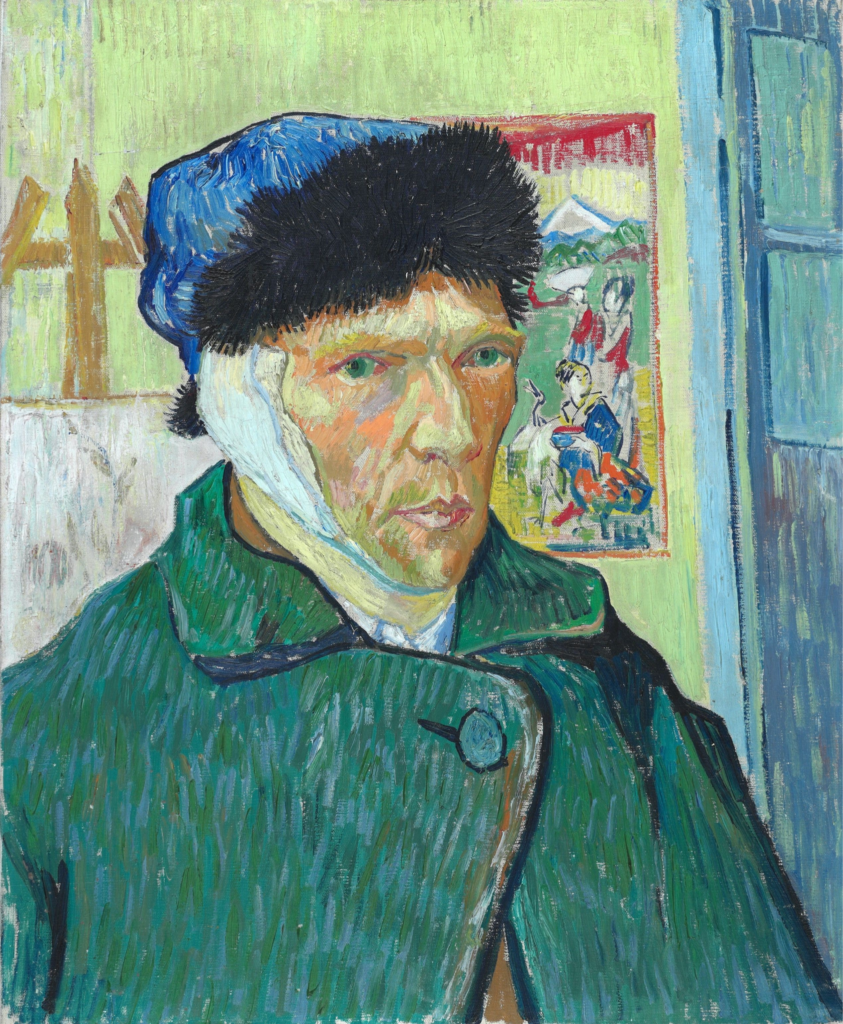
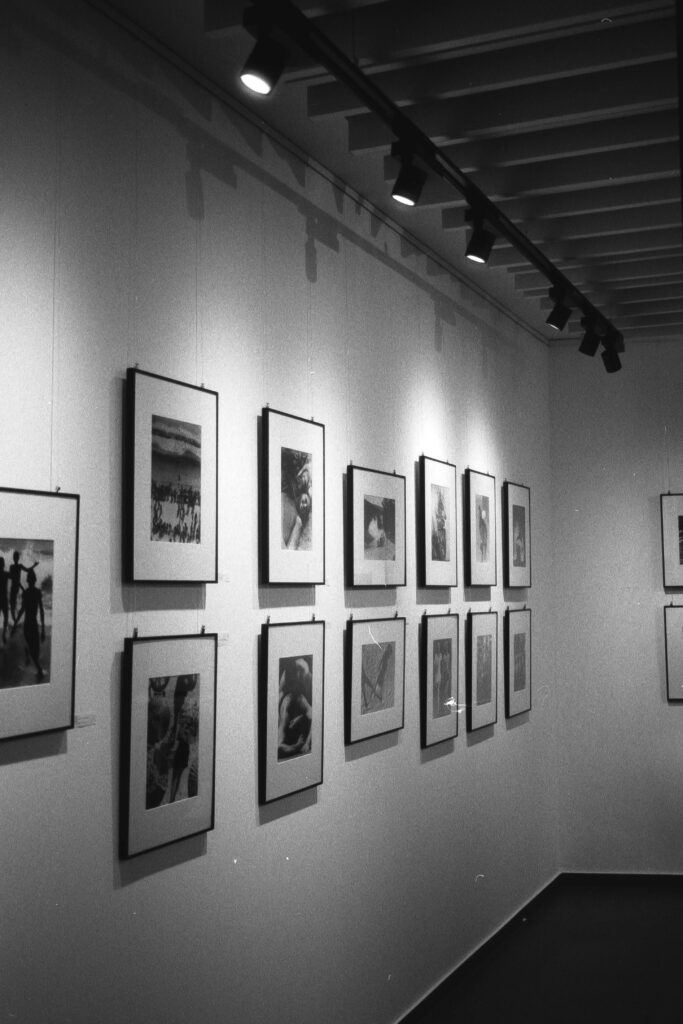
Many Institutions like Tate preserve and exhibit original artworks, helping audiences experience the physical qualities and textures that reproductions cannot fully replicate.
Availability
Once an original artwork is sold, ownership belongs to a single collector unless it is resold in the future. Fine art prints make the same image available to multiple collectors, allowing more people to enjoy and own the artist’s work.
Value and Collectibility
Original artworks are valued for their uniqueness and direct connection to the artist’s creative process. Fine art prints are collected for different reasons. Their value often depends on factors such as edition size, print quality, the artist’s reputation, and whether the print has been signed or numbered.
Purpose
Originals and prints are created with different intentions. An original represents the artist’s complete creative process and remains the foundation of the work. A fine art print extends the life and reach of that artwork, allowing it to be shared more widely while preserving the significance of the original. Rather than competing with one another, both contribute to the many ways art can be experienced and appreciated.
An Original Is Unique, but Value Has Many Stories
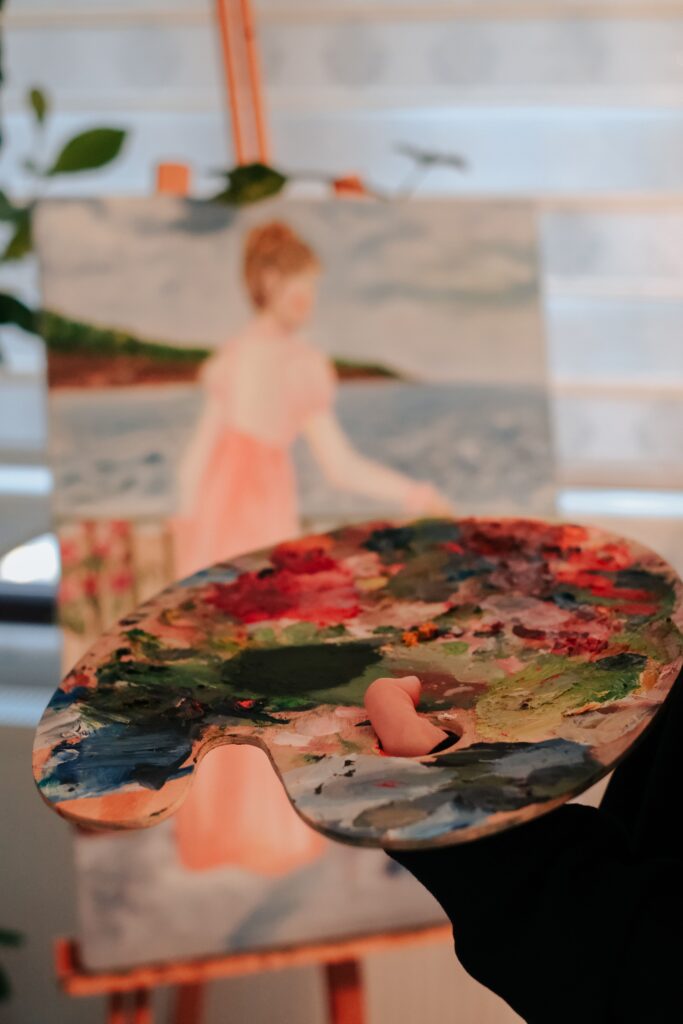
There is no question that an original piece holds a special place in the art world. It is the artist’s first and only creation, carrying the physical evidence of every decision, revision, and expressive gesture made during its making. That uniqueness is something no print can replace, and it remains one of the defining reasons originals are so deeply valued by collectors, galleries, and museums.
At the same time, the value of art is not determined by originality alone. Fine art prints can also hold significance, particularly when they are produced to archival standards, released in limited editions, or signed and numbered by the artist. These qualities contribute to their collectibility and help distinguish them from decorative reproductions or mass produced posters.
Ultimately, originals and prints tell different stories of value. One is valued for being singular and irreplaceable, while the other is appreciated for making an artist’s work more widely accessible without losing its artistic integrity. Understanding this distinction allows us to appreciate each for what it was created to be, rather than measuring one against the other.
Why Artists Choose to Release Prints
Artists release prints for many reasons, and accessibility is often one of them. Offering prints allows more people to connect with and collect their work while ensuring the original remains one of a kind. Prints can also provide artists with a sustainable source of income, helping support their creative practice and future projects without requiring them to part with every original they create.
Prints Extend the Life of an Artwork
An original artwork may eventually find its permanent home in a private collection, gallery, or museum, limiting how often it can be seen. Fine art prints allow the same work to continue being experienced long after the original has changed hands. In this way, prints help an artwork remain part of everyday conversations, exhibitions, and collections without affecting the originality of the first piece.
How Prints Help Art Travel Further
Not every artwork can be viewed in person, especially once it enters a private collection. Fine art prints make it possible for an artist’s work to reach homes, collectors, exhibitions, and audiences across the world. They help share ideas, stories, and artistic vision with people who may never have the opportunity to see the original, allowing the impact of the artwork to extend far beyond where it was first created.
Original Art Is Your Best Option If:
- You want to own a one of a kind work created entirely by the artist’s hand.
- You are building a long term art collection.
- You are interested in the long term collectible potential of original works.
- You value the texture, materials, and physical presence of an artwork.
- You are looking for a meaningful statement piece with a unique story.
- You want to directly support an artist through the purchase of an original creation.
Fine Art Prints May Be the Right Choice If:
- You are starting your art collecting journey.
- You want to collect artwork while staying within a smaller budget.
- You enjoy discovering and supporting artists whose originals may be out of reach.
- You are building your collection gradually over time.
- You are decorating a home, studio, or workspace with thoughtfully chosen art.
- You appreciate an artist’s work and want to own it, even if the original has already been sold.
- You value accessibility without compromising on quality and artistic integrity.
How Galleries Balance Originals and Prints
Walk into most galleries, and the spotlight naturally falls on original artworks. They are the centrepieces of exhibitions, offering visitors the opportunity to experience an artist’s work exactly as it was created. Originals showcase the texture, scale, and presence that can only be appreciated in person, making them an essential part of the gallery experience.
At the same time, many galleries also offer carefully produced fine art prints, particularly limited editions. These prints allow collectors to take home an artist’s work even when the original has already been sold or is beyond their collecting budget. They also help artists share their work with a wider audience while creating an additional source of income that supports their ongoing practice.
Rather than competing with originals, prints complement them. Galleries use both to make art more accessible while ensuring that the original remains the defining work from which every print begins.
There Is No One Way to Collect Art
Originals and fine art prints are often compared, but they are not in competition with one another. Each offers a different way to experience and appreciate art, and each has a meaningful place within the creative world. An original will always remain the artist’s one of a kind creation, while a fine art print allows that same vision to reach beyond a single owner.
Many established collectors build collections that include both. Original works often become the defining pieces of a collection, while carefully chosen prints make it possible to discover new artists, support more creative practices, and bring a greater variety of art into a space. Together, they create collections that are personal, thoughtful, and reflective of individual taste.
In the end, collecting art is not about choosing one format over the other. It is about finding works that inspire curiosity, spark emotion, and continue to hold meaning over time. Whether that connection begins with an original artwork or a fine art print, every collection starts with a single piece that speaks to you.
Originals and Prints, Each With Their Own Place
The conversation around originals and prints does not need a winner. Originals will always carry the unmatched significance of being the artist’s first and only creation, while fine art prints ensure that the same artistic vision can be shared, appreciated, and collected by more people around the world. Each has a purpose, and together they reflect the many ways art continues to connect with its audience.
Whether you are an artist, a first time collector, or someone who simply enjoys living with art, understanding the distinction between originals and prints allows you to appreciate both for what they truly are rather than what they are not. The more we understand how artworks are created, shared, and preserved, the more meaningful the experience of collecting becomes.
So perhaps the better question is not “Which is better?” but “Which suits your needs best as a collector or an art lover?”