




This artist creates elegant portraits inspired by classical painting | Qingzhu Lin
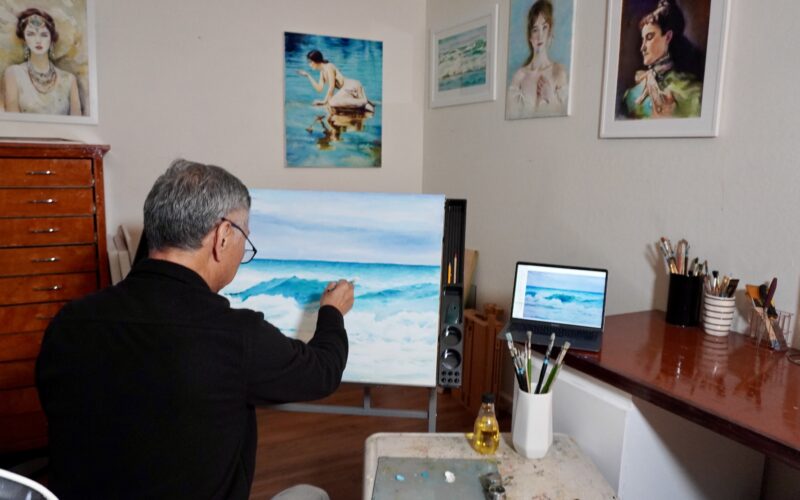
At Arts to Hearts Project, our 100 Emerging Artists of 2026 keeps showing us that emerging has nothing to do with age and everything to do with where a practice is right now.
Some of the most compelling artists in this edition are people who arrived at their fullest creative commitment later in life, after careers and families and decades of quietly building something that was waiting for the right moment to become the centre of everything.
Qingzhu Lin is one of our selected artists in this edition. He is based in San Jose, California, and his paintings made us go still in a way that very little art does anymore.
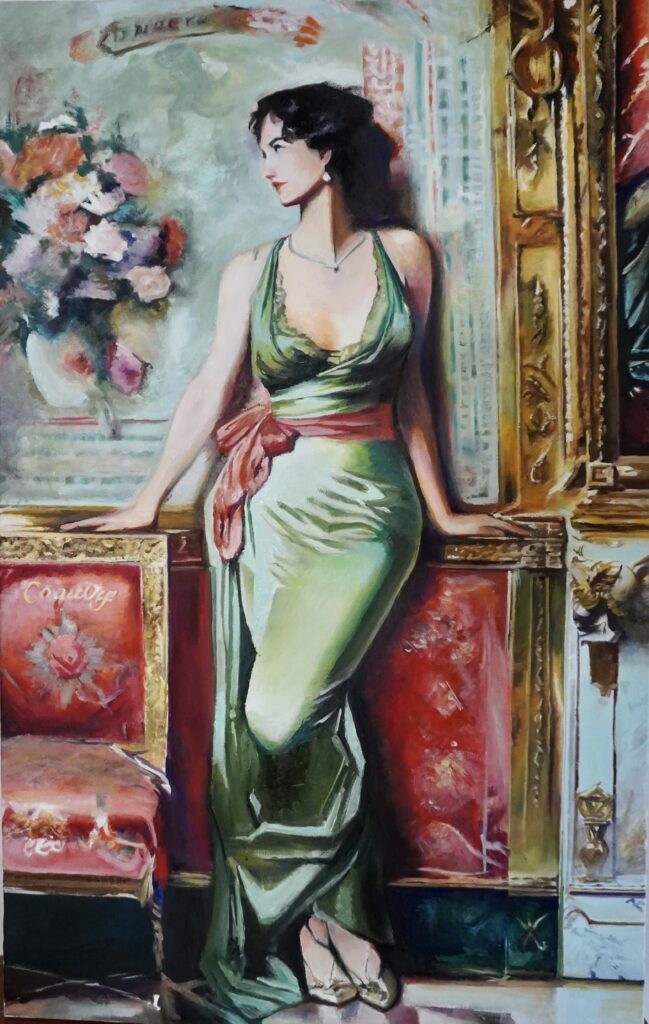
Qingzhu is a Chinese-born oil painter whose work lives at a very rare intersection. He brings together the slow deliberate light and structural mastery of the European Renaissance with the calm poetic serenity of traditional Chinese art, particularly the Song Dynasty.
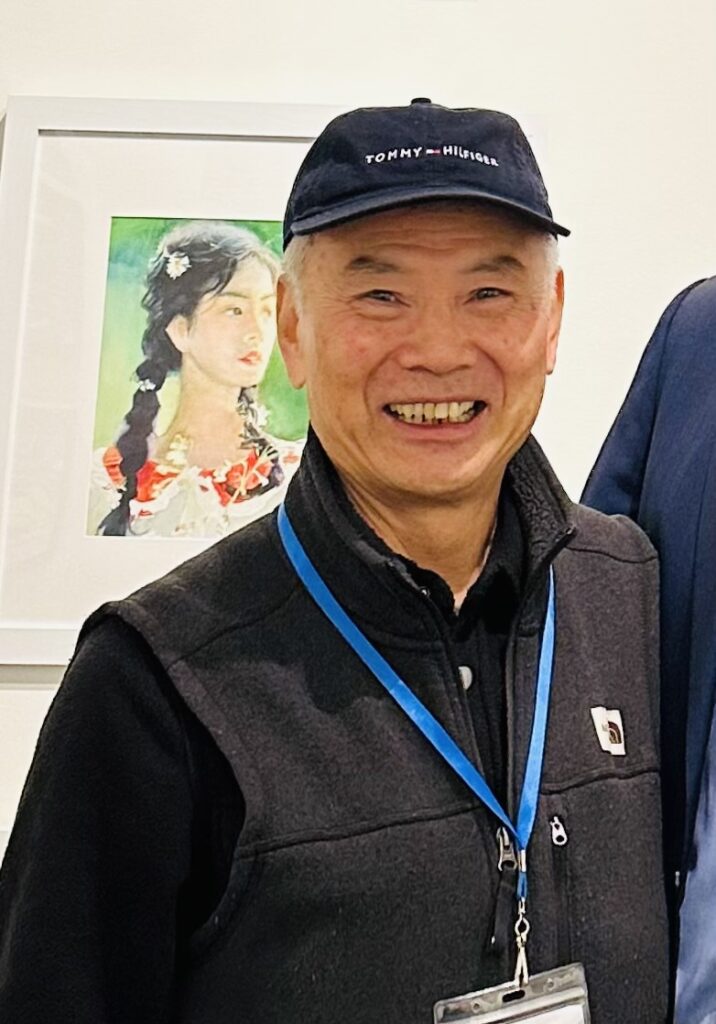
Those two traditions do not usually meet in the same painting. In Qingzhu’s work they meet naturally, as if they had always belonged together, united by a shared pursuit of harmony and beauty and the kind of quiet human dignity that does not need to announce itself.
He has a background in English Literature which gives him a novelist’s eye for what he calls moments of intensified consciousness. The figures in his paintings are not posing. They are thinking.
They are lost somewhere inside themselves in that private space most of us only occupy when no one is watching. And Qingzhu paints that space with a patience and a reverence that makes you feel like you are being trusted with something intimate.
He describes his creative path as rooted in quietude. His personality is low-key and humble and that humility is in every brushstroke. There is no performance in his paintings. No drama. No attempt to provoke or shock.
Just beauty offered sincerely as a sanctuary, a meditative space, a reminder that calm and grace and goodness still exist even when the world outside the painting is loud and overwhelming.
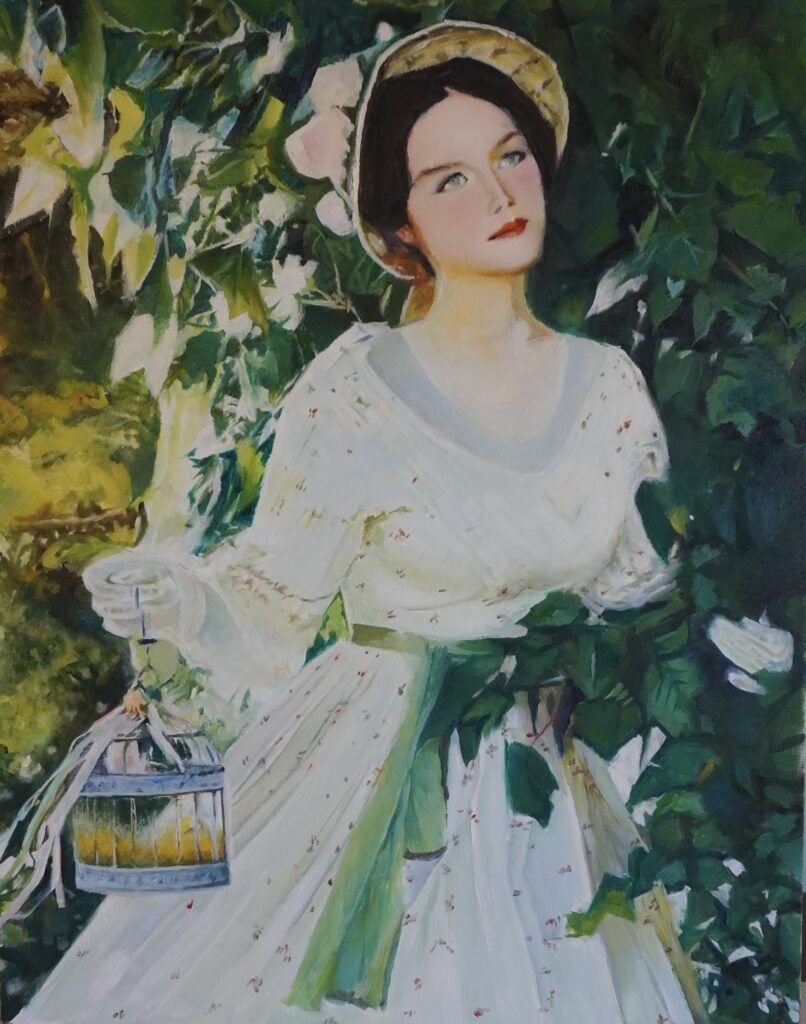
He came to oil painting as his lifelong devotion after retirement, dedicating himself fully to developing his practice with the kind of discipline and seriousness that most working artists would envy. His childhood fascination with miniature arts and postage stamps taught him early that the smallest details can carry the most profound emotions.
That understanding shows up in how he handles light and skin and fabric and atmosphere with a tenderness that you feel in your body before you analyse with your eyes.
He paints figurative portraits and landscapes and both carry the same intention. To slow you down. To quiet the noise. To offer a moment of peace to whoever is standing in front of the canvas.
In a contemporary art world that often rewards volume and provocation, Qingzhu has chosen the opposite. He has chosen stillness. And the courage that takes is something we do not think gets talked about enough.
Let’s get to know Qingzhu through our conversation with him about beauty, patience, and the quiet power of stillness.
Q1. Can you share a little about your journey and what first drew you to art?
I am a quiet observer who finds peace in stillness. Guided by a love for literature and classical beauty, I paint to share a sense of gentle grace and humility with the world.
Q2. You discovered art at a young age. When did you realize it would become a lifelong passion?
I always loved art, but the true turning point came when I committed to oil painting. The rich depth and lasting nature of the medium made me realize this was a lifelong devotion.
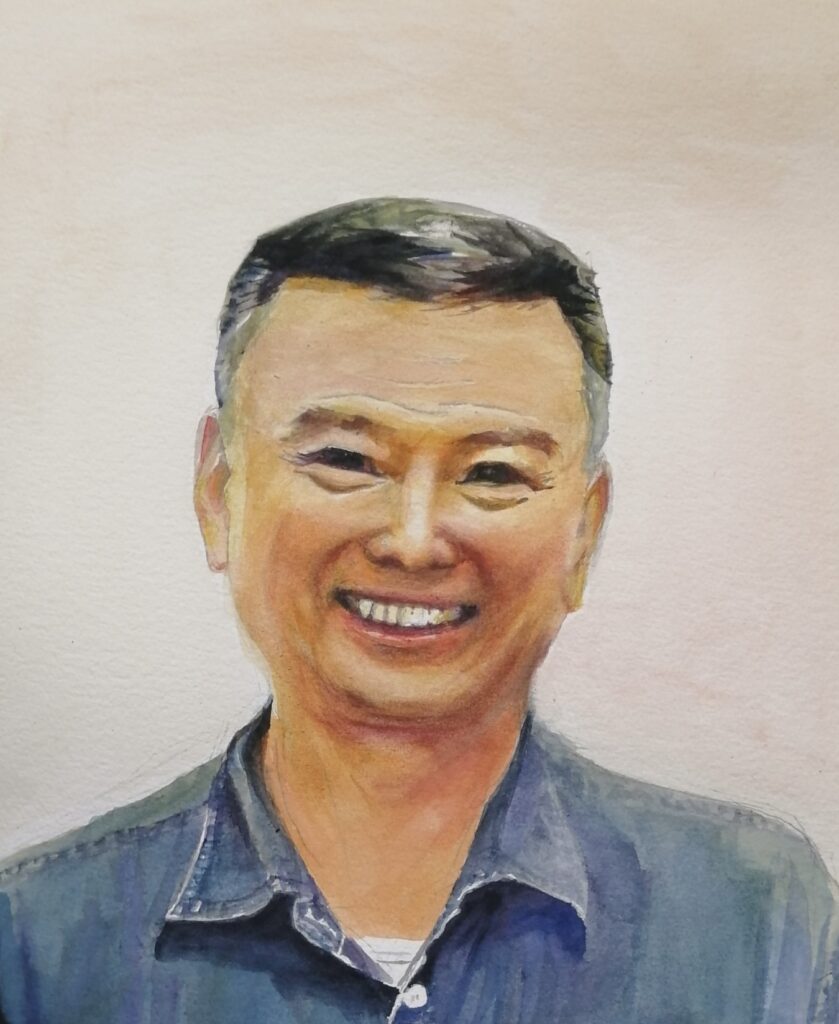
Q3. Your paintings explore the “inner life.” What draws you to the emotions and experiences beneath the surface?
“In a loud world, the quiet moments are where we are most honest. I am drawn to the dignity of a person lost in thought—it is where our truest, most peaceful selves live.”
Q4. How do Chinese traditions and the European Renaissance come together in your work?
They meet in their pursuit of harmony. I combine the slow, deliberate light and structure of the Renaissance with the calm, poetic serenity of traditional Chinese art, especially from the Song Dynasty.
Q5. Your portraits feel incredibly rich. What do you hope to capture beyond appearance?
I look for their inner grace and goodness. I want the viewer to feel a quiet, warm connection with the subject, sensing the shared humanity we all carry inside.
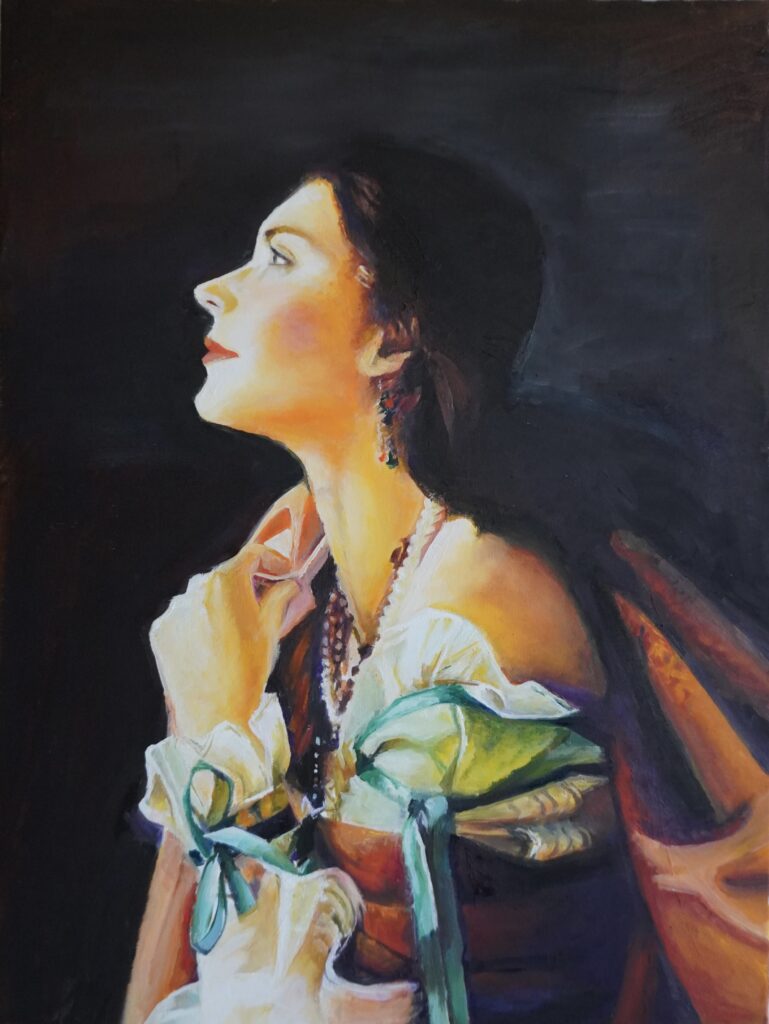
Q6. What do you discover in stillness that more dramatic moments can’t reveal?
“Subtlety has an enduring strength. A gentle posture or a soft gaze invites the viewer to step closer and listen, leaving room for their own quiet reflection.”
Q7. Beauty remains central to your work. Why is it still important to you?
“I believe beauty is a healing force. While art can explore friction, I choose pure aesthetics to offer a sense of order, comfort, and a reminder of the goodness in the world.”
Q8. Before you begin painting, what first draws you to a person?
“I believe beauty is a healing force. While art can explore friction, I choose pure aesthetics to offer a sense of order, comfort, and a reminder of the goodness in the world.”
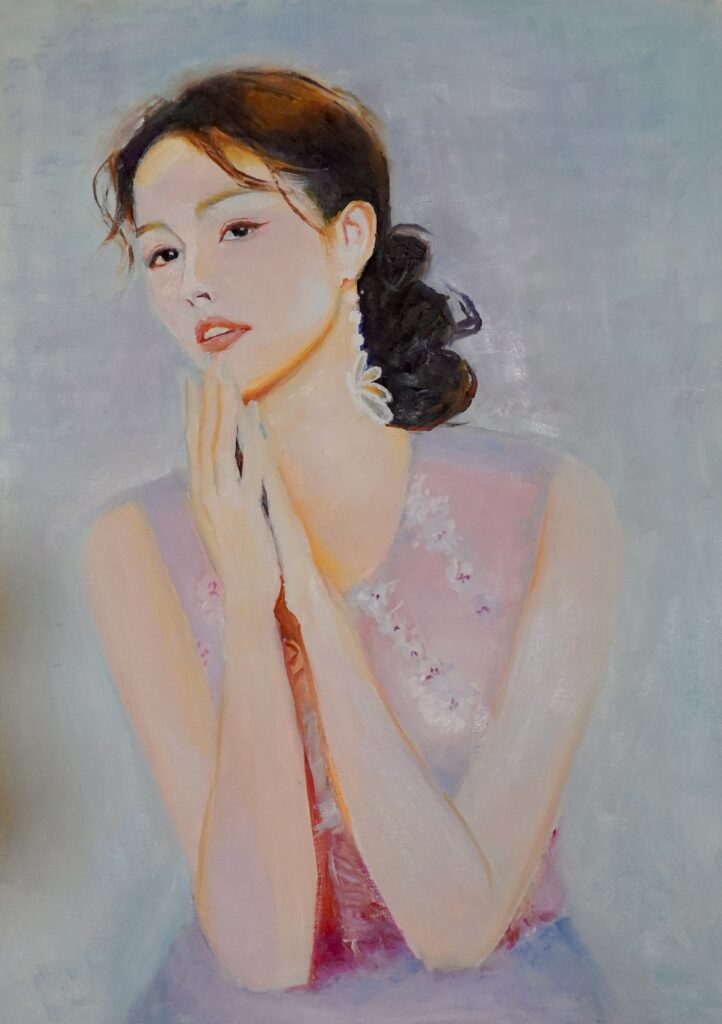
Q9. Are you more interested in what people reveal, or what they keep hidden?
“I respect the beauty of what is kept safe within. Depicting someone in quiet contemplation honors their private mind—a sacred space of undisturbed peace.”
Q10. Do you think modern life leaves enough room for reflection?
“Yes, modern life is full of constant noise and distraction. Because of this, I feel a responsibility to make my paintings a quiet sanctuary where people can pause and breathe.”
Q11. Are some emotions easier to express through paint than through words?
“Yes. Paint, especially in rich oil layers, can capture the exact quality of light or the weight of a quiet afternoon in a way that words simply cannot define.”
Q12. Do you think portraiture is more about seeing others, or seeing ourselves?
“It is both. When we recognize the quiet dignity and vulnerability in a portrait of another person, we are ultimately looking into a mirror of our own inner life.”
Q13. What do you hope people take away after spending time with one of your paintings?
“I simply hope they feel a sense of calm. I want the noise of the day to fade away, leaving them with a gentle moment of peace.”
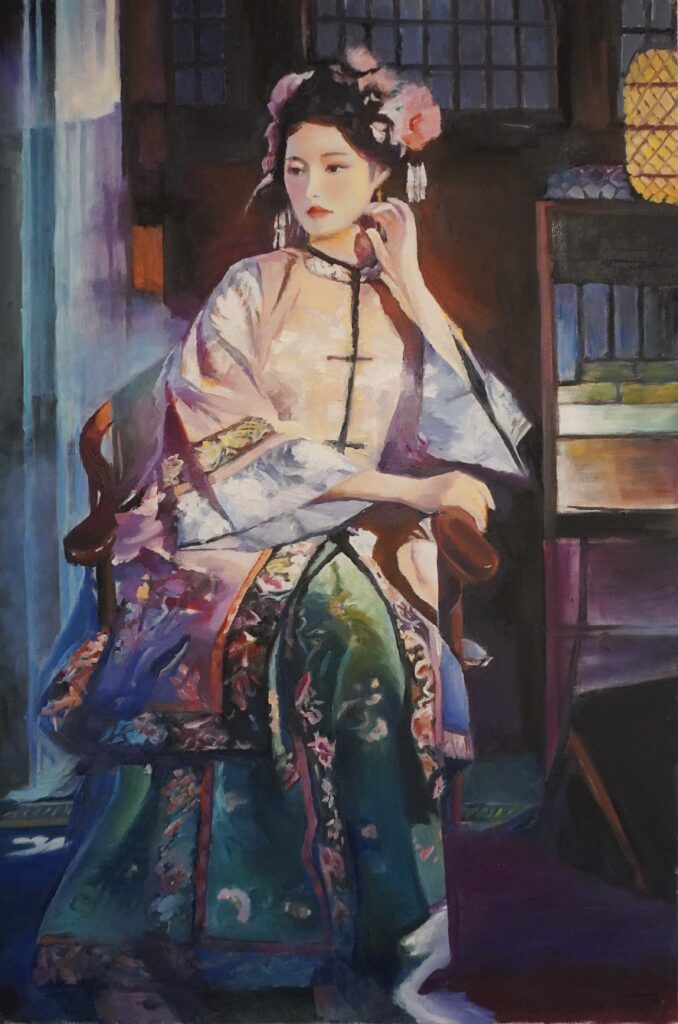
Q14. After retirement, what gave you the confidence to pursue art full-time?
“It felt like a natural, joyful homecoming. Dedicating myself to oil painting in this chapter is my way of honoring my creative gifts with gratitude and humility.”
Q15. Looking back, what is the most important lesson art has taught you?
“Patience and humility. Just as oil paint cannot be rushed, beautiful things in life take time to grow. Approaching both art and people with a humble heart is everything.”
Q16.Has social media changed the way people truly engage with paintings?
“It is a wonderful tool for discovery, but it encourages fast scrolling. A screen cannot replace the physical presence, texture, and light of a real oil painting viewed in quiet stillness.”
Q17. Having spent decades visiting museums and studying great masters, what do you think young artists can learn from art history today?
“They can learn the value of depth and craftsmanship. Art history reminds us that dedication to technique and sincere human emotion create something timeless that outlasts any trend.”
As our conversation with Qingzhu drew to a close, we found ourselves thinking about a choice that every artist makes, whether they realise it or not. The choice between adding to the noise and offering an alternative to it.
Most of the art world is loud right now. Bold statements, provocative concepts, work that demands your attention and insists on being discussed. And there is absolutely a place for that. But there is also a place for the opposite. For work that does not demand anything from you. That simply offers itself as a quiet space you can step into whenever the world gets too much.
Qingzhu makes that kind of work and the fact that people respond to it so strongly tells you something important about what most of us are actually hungry for right now. Not more stimulation. Not more confrontation. Rest. Real rest. The kind you feel in your nervous system when something beautiful and calm enters your field of vision and everything inside you settles down for a moment.
That is not a lesser form of art. That is art doing one of the oldest and most essential things it has ever done. Creating sanctuary. And the skill it takes to do that, to paint stillness so convincingly that it actually transfers to the viewer, that is not simplicity. That is mastery.
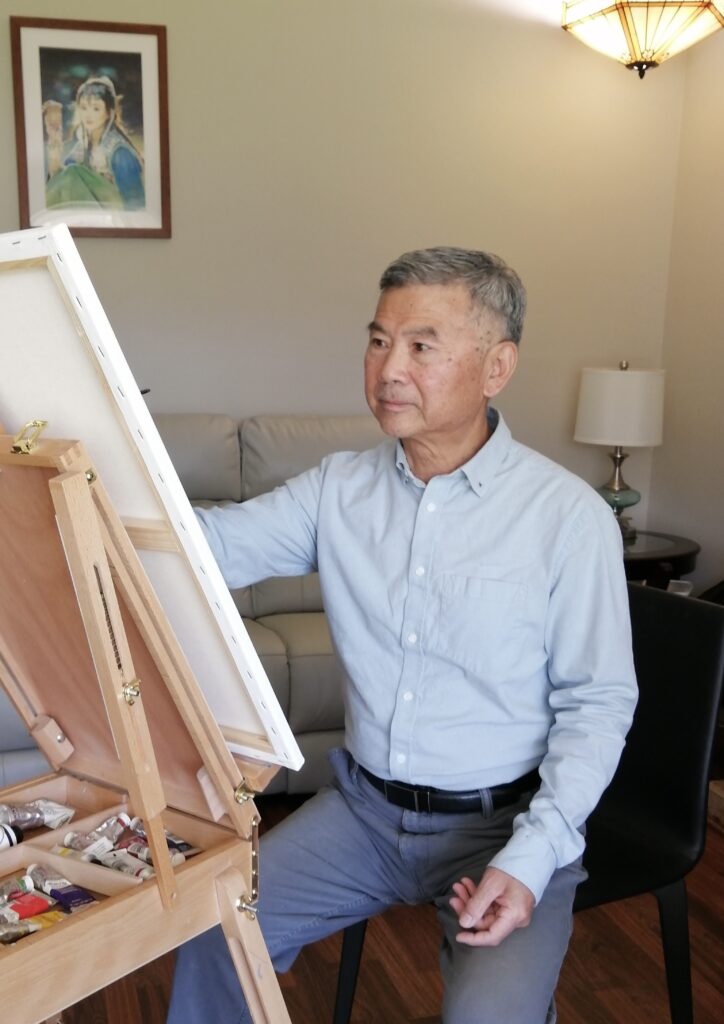
Qingzhu also made us think about timing. About the fact that he dedicated himself fully to painting after retirement. After a whole lifetime of other things. And instead of that being a limitation it is clearly a strength.
Because he brings all of those years with him into the studio. The literature, the observation, the patience that only comes from decades of living, the humility that deepens with age rather than diminishing. His paintings hold the weight of a long life spent paying attention. You cannot fake that. You cannot shortcut it. It takes exactly as many years as it takes.
For any artist who is in the second half of their life and wondering if it is too late to take their practice seriously, Qingzhu is proof that it is not. The depth and the calm and the emotional intelligence in his paintings could only come from someone who has lived long enough to understand what actually matters.
And what actually matters, according to both his work and his words, is patience, humility, and the willingness to offer beauty to a world that needs it more than it usually admits.
For art lovers and collectors, Qingzhu’s oil paintings bring a quality of calm into a space that is genuinely rare. The surfaces carry a luminous depth that comes from careful layering and the kind of attention to light that the Renaissance masters practiced. These are paintings that make a room feel quieter and warmer the moment they go up. And because they are made with a sincerity and a devotion that has nothing to do with market trends, they carry a timelessness that will feel as relevant in twenty years as it does today.
Follow Qingzhu Lin through the links below and see his work for yourself.