

10 Films and TV Shows Every Vincent van Gogh Lover Should Watch
More than 130 years after his death, Vincent van Gogh continues to inspire filmmakers as much as he inspires artists. Yet what makes this fascination so remarkable is that no two films tell the same story. Some see him as a misunderstood genius, others as a lonely dreamer, a devoted brother, or a man who found peace only when standing before a canvas. Each interpretation reveals a different side of one of history’s most celebrated painters.
Perhaps that’s because Van Gogh himself left behind more questions than answers. His extraordinary paintings, deeply personal letters, and the enduring mysteries surrounding his life have given every generation a reason to rediscover him in its own way. Cinema, in particular, has become a powerful medium for exploring not just what he painted, but how he saw the world, and how the world continues to see him.
From groundbreaking hand-painted animation and intimate biographical dramas to imaginative fantasies and poetic documentaries, these films go beyond recounting the events of Van Gogh’s life. They explore his relationships, his artistic vision, his struggles, and the legacy he never lived to witness. Whether you’re discovering him for the first time or returning to his story through a new lens, these ten films offer some of the most compelling portraits ever created of the artist behind the masterpieces.
Loving Vincent (2017): The First Film Painted Frame by Frame
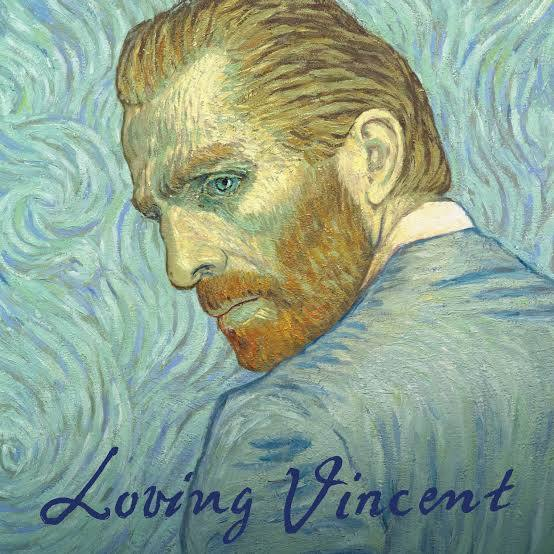
Most films about artists try to recreate their lives. Loving Vincent (2017) did something far more remarkable, it recreated the world through Vincent van Gogh’s brushstrokes. Instead of using traditional animation, every frame was painted by hand in oil, transforming the film into a living canvas inspired by the artist’s own masterpieces.
Directed by Dorota Kobiela Welchman and Hugh Welchman, the film became the world’s first fully hand-painted animated feature. More than 125 artists from over 20 countries created around 65,000 individual oil paintings, painstakingly photographed frame by frame. While its groundbreaking animation is often the first thing people remember, the film’s emotional depth is what truly sets it apart.
Rather than following a conventional biography, Loving Vincent unfolds as a mystery after the artist’s death. As Armand Roulin attempts to deliver Van Gogh’s final letter to Theo, he encounters people whose memories paint strikingly different portraits of the artist. Was Van Gogh a troubled genius, a misunderstood outsider, or simply a man searching for peace? The film never forces an answer, reminding us that history is often shaped by perspective as much as fact.
Instead of telling us who Vincent van Gogh was, Loving Vincent invites us to experience the world as he painted it, making it one of the most original tributes ever created for an artist whose work continues to inspire generations.
At Eternity’s Gate (2018): Seeing the World Through Van Gogh’s Eyes
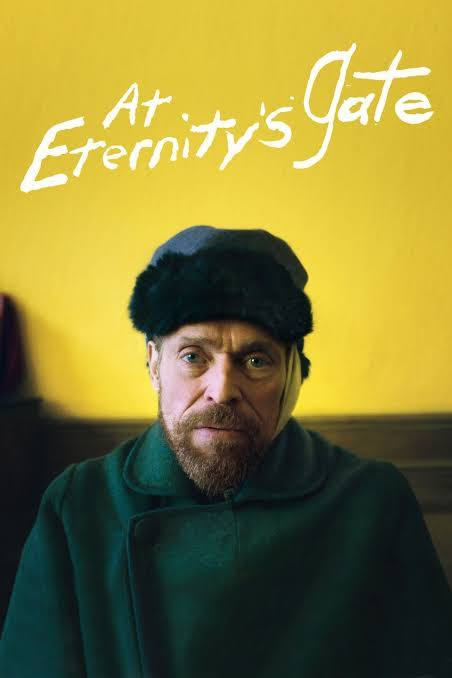
Most biographical films tell us what happened. At Eternity’s Gate (2018) tries to show us how Vincent van Gogh experienced it. Directed by painter and filmmaker Julian Schnabel, the film moves away from a chronological retelling and instead immerses viewers in the artist’s inner world, where landscapes, light, and color become as important as dialogue.
Willem Dafoe delivers one of the most celebrated performances of his career, earning an Academy Award nomination for portraying Van Gogh with quiet intensity rather than dramatic spectacle. Instead of focusing solely on the painter’s struggles, the film explores his deep connection with nature and his belief that painting was more than a profession, it was a way of understanding life itself.
The film also touches on the long-debated circumstances surrounding Van Gogh’s death, drawing from the theory that he may not have died by suicide. While it doesn’t claim to solve the mystery, it encourages viewers to question the stories history has accepted for decades.
Rather than asking us to watch Van Gogh’s life unfold, At Eternity’s Gate invites us to see the world through his eyes, making it one of the most intimate and thought-provoking portrayals of the artist ever brought to the screen.
Lust for Life (1956): The Hollywood Classic That Shaped Van Gogh’s Legacy
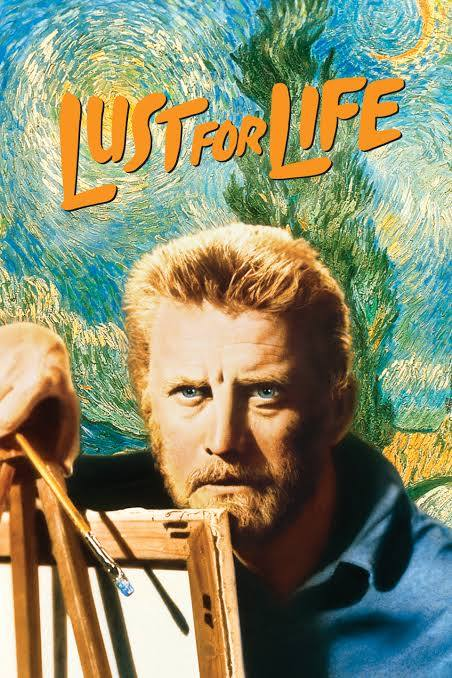
Long before modern biopics revisited Vincent van Gogh’s life, Lust for Life (1956) introduced millions to the artist behind the paintings. Based on Lust for Life, the film drew heavily from the letters exchanged between Vincent and his brother Theo, offering one of the earliest cinematic portraits of the painter’s struggles, passion, and relentless dedication to art.
Kirk Douglas delivers a powerful performance as Van Gogh, capturing both his creative brilliance and emotional vulnerability, while Anthony Quinn won an Academy Award for his portrayal of Paul Gauguin. Filmed across France, Belgium, and the Netherlands, the production also recreated many of Van Gogh’s famous works, bringing his paintings to audiences in vivid color during an era when few had experienced them beyond books and museums.
Although historians have since offered more nuanced perspectives on Van Gogh’s life, Lust for Life remains a landmark film. It helped shape the enduring image of Van Gogh as the tortured genius, an interpretation that has influenced countless books, films, and popular culture ever since.
Vincent & Theo (1990): The Brotherhood Behind the Genius
Most stories about Vincent van Gogh focus on the artist, but Vincent & Theo (1990) reminds us that behind many great artists is someone quietly believing in them. Directed by Robert Altman, the film shifts the spotlight to Vincent’s relationship with his younger brother Theo, the art dealer who supported him emotionally and financially throughout his life.
Played by Tim Roth and Paul Rhys, the two brothers are portrayed not simply as family, but as partners bound by hope, sacrifice, and unwavering trust. While Vincent struggled to find recognition, Theo continued to champion his work despite repeated disappointments and financial hardship.
What makes Vincent & Theo especially moving is its perspective on legacy. It contrasts Vincent’s poverty during his lifetime with the immense value his paintings would later command, highlighting one of the greatest ironies in art history. Rather than celebrating fame, the film asks us to reflect on the unseen relationships that make creativity possible, showing that Van Gogh’s story is as much about brotherhood as it is about brilliance.
Dreams (1990): When Akira Kurosawa Walked Into a Van Gogh Painting
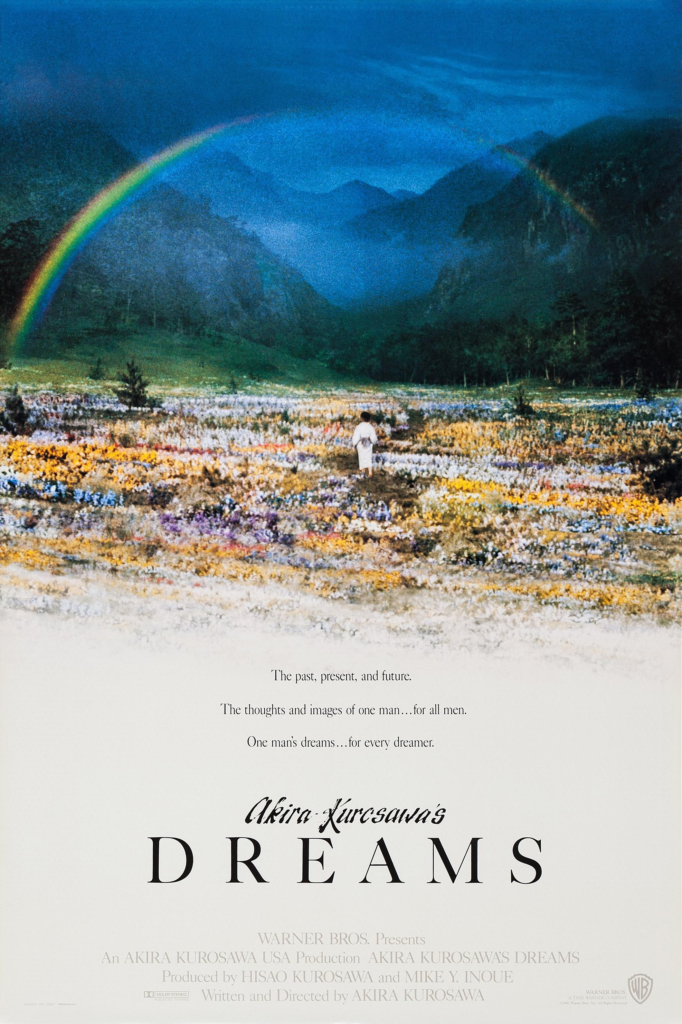
Few films pay tribute to Vincent van Gogh as creatively as Dreams (1990). Directed by legendary Japanese filmmaker Akira Kurosawa, the film is a collection of dream-inspired stories, but its most unforgettable chapter, Crows, transports viewers directly into Van Gogh’s paintings.
In one surreal sequence, an art student wanders through landscapes inspired by works like Wheatfield with Crows, crossing painted fields and winding paths as if they were real places. There, he encounters Van Gogh himself, played unexpectedly by Martin Scorsese, who speaks passionately about painting before disappearing back into his work.
Rather than exploring Van Gogh’s biography, Dreams celebrates the lasting influence of his imagination. It blurs the boundary between painting and cinema, showing how his art continues to inspire storytellers across generations and cultures. The result is less a biopic than a visual love letter to an artist whose landscapes still feel alive more than a century later.
Painted with Words (2010): Letting Van Gogh Speak for Himself

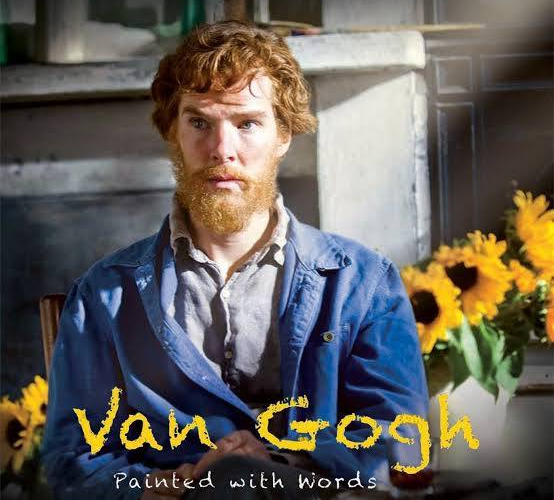
While most films interpret Vincent van Gogh through the eyes of others, Painted with Words (2010) does something different, it lets the artist speak for himself. Starring Benedict Cumberbatch as Van Gogh, the BBC television film is built around the letters Vincent wrote to his brother Theo, drawing much of its dialogue directly from his own words.
Rather than relying on dramatic events, the film captures Van Gogh’s thoughts on art, loneliness, faith, and the relentless drive to create. Cumberbatch’s restrained performance reveals a man who was thoughtful, deeply sensitive, and constantly searching for meaning beyond his struggles.
By staying remarkably close to Van Gogh’s personal correspondence, Painted with Words offers one of the most intimate portrayals of the artist ever filmed. It strips away many of the myths that have surrounded him for decades, allowing viewers to encounter not just the legendary painter, but the reflective and deeply human voice behind his masterpieces.
Van Gogh (1991): A Quiet Portrait Beyond the Myth
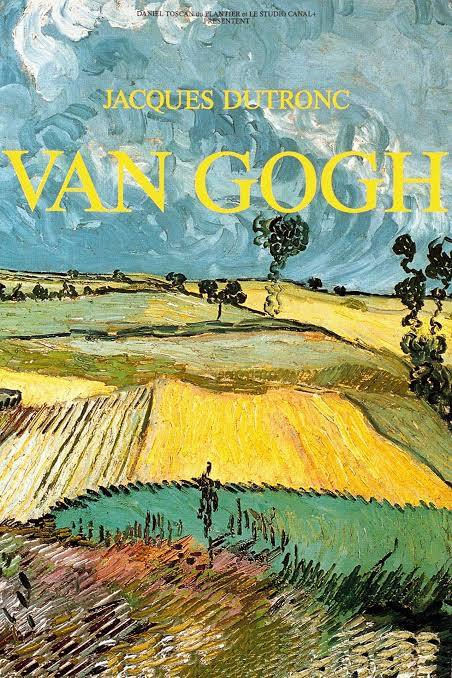
Not every film about Vincent van Gogh is interested in explaining his genius. Some are more interested in the quiet spaces between the paintings, the conversations, the friendships, the ordinary days that history rarely remembers. That’s exactly what Van Gogh (1991), directed by Maurice Pialat, sets out to do. Rather than building toward the artist’s most famous tragedies, the film lingers in the final 67 days of his life in Auvers-sur-Oise, revealing a man who was far more than the myths that came to define him.
Starring Jacques Dutronc in one of his most acclaimed performances, the film follows Van Gogh’s interactions with friends, his physician Paul Gachet, and the quiet routines that shaped his final weeks. It deliberately avoids sensationalizing episodes like the ear-cutting incident, choosing instead to focus on the everyday moments that reveal his humanity.
This understated approach is what makes Van Gogh so memorable. Instead of searching for dramatic answers, it simply allows viewers to spend time with the artist as he lived, not as the tortured legend history often remembers. In doing so, the film offers one of cinema’s most honest and deeply human portraits of Vincent van Gogh.
Vincent (1987): When Van Gogh’s Letters Became Cinema
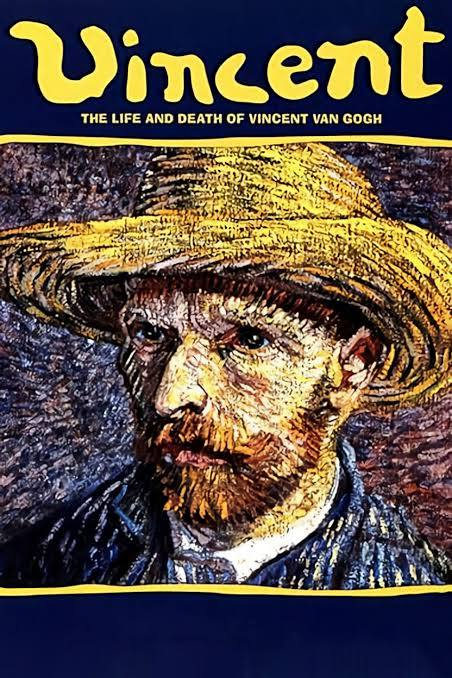
What if the best way to understand Vincent van Gogh wasn’t through a traditional biography, but through his own words and the images he left behind? Vincent (1987), directed by Paul Cox, takes exactly that approach. Blending documentary and dramatic reenactment, the film uses excerpts from Van Gogh’s letters, narrated by John Hurt-to create an intimate portrait of the artist without relying on conventional storytelling.
Instead of focusing on major milestones, Vincent recreates the landscapes, people, and rural life that inspired many of his paintings. The visuals often resemble his canvases, allowing viewers to step into the environments that shaped his artistic vision. As his letters unfold, they reveal a man filled with hope, doubt, determination, and an unwavering belief in the power of art, even when recognition seemed impossible.
Rather than trying to solve the mystery of Van Gogh’s life, the film invites audiences to experience the world as he experienced it. By combining his own words with imagery inspired by his paintings, Vincent becomes less of a documentary and more of a quiet conversation with one of history’s most influential artists.
Vincent and Me (1990): Imagining the Legacy Van Gogh Never Witnessed
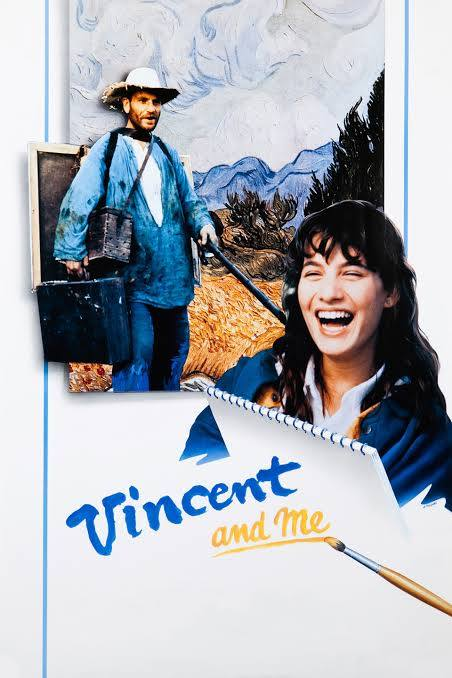
One of the greatest tragedies of Vincent van Gogh’s life is that he never knew the impact his art would have on the world. Vincent and Me (1990) takes that heartbreaking idea and transforms it into a touching fantasy. Directed by Michael Rubbo, the film follows a young aspiring artist named Jo, who mysteriously travels back in time and befriends Van Gogh, creating a story that blends imagination with art history.
Unlike most films that dwell on Van Gogh’s hardships, Vincent and Me explores a question many have wondered: What would Van Gogh think if he knew his paintings would one day be celebrated across the globe? Through Jo’s encounters with the artist, the film offers glimpses of his struggles, self-doubt, and unwavering passion for painting, while imagining the hope he might have found if he had known what the future held.
Though created for younger audiences, the film carries a surprisingly emotional message about recognition, perseverance, and the value of creating art even when no one seems to notice. More than a fantasy adventure, Vincent and Me serves as a poignant reminder that some artists change the world long before the world learns to appreciate them.
Van Gogh: een huis voor Vincent (2013): The Family That Preserved an Artist’s Legacy
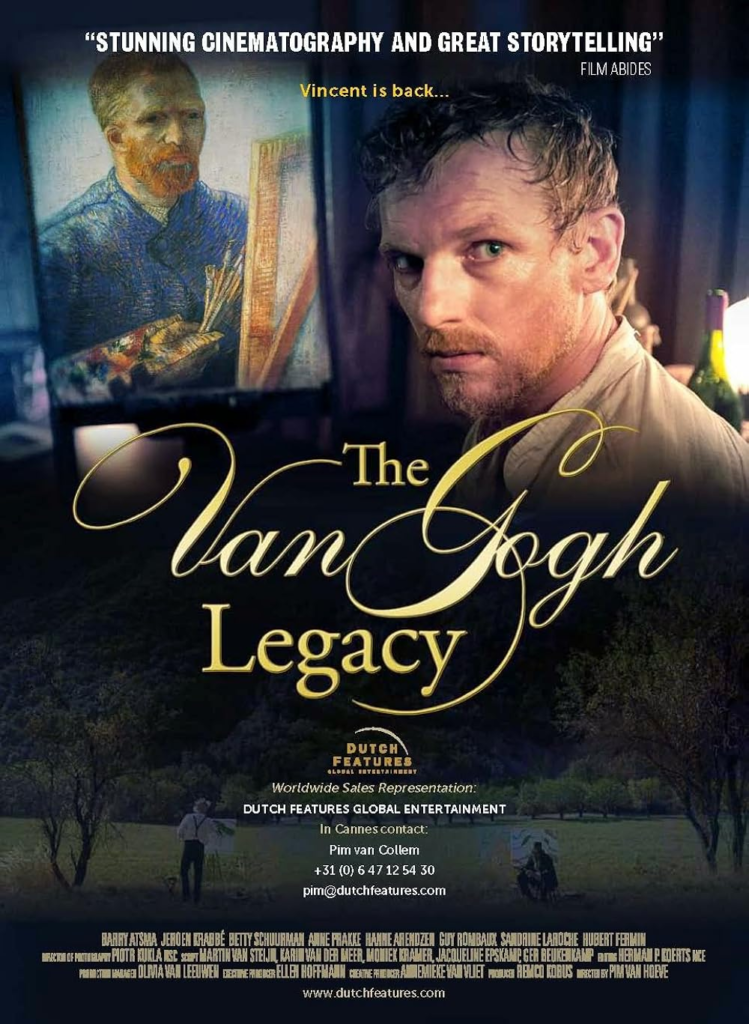
When people think of Vincent van Gogh, they often picture the painter in isolation, a solitary genius battling inner turmoil. But Van Gogh: een huis voor Vincent (2013) reveals a different side of the story by looking beyond the artist himself and into the family that shaped, supported, and ultimately preserved his legacy. Told largely through the perspective of his nephew, the Dutch miniseries offers a rare glimpse into the personal world that existed beyond the famous paintings.
Rather than focusing solely on Vincent’s artistic career, the series explores his strict religious upbringing, complicated family relationships, and the unwavering support of his brother Theo. It also highlights the remarkable role played by Vincent Willem van Gogh, his nephew, whose efforts to preserve the artist’s letters and paintings eventually led to the creation of the Van Gogh Museum. Without those efforts, much of what we know about Van Gogh today, and many of his masterpieces, might never have reached the public.
By shifting the focus from the artist to the people who carried his story forward, Van Gogh: een huis voor Vincent reminds us that legacies are rarely built alone. Sometimes, the greatest masterpiece isn’t just the work an artist leaves behind, but the people who ensure the world never forgets it.
No single film can truly capture Vincent van Gogh. Each one chooses a different path, some focus on the painter, others on the brother, the dreamer, the outsider, or the visionary whose work transformed the course of art. Together, they remind us that Van Gogh’s legacy isn’t defined by one story, but by countless interpretations that continue to evolve with every generation.
What makes these films so enduring is that they don’t simply recreate famous paintings or retell familiar moments from history. They invite us to look beyond the myths and connect with the person behind the brushstrokes, a man driven by an unwavering belief in art, even when recognition seemed impossible.
Perhaps that’s why filmmakers keep returning to Vincent van Gogh. His life remains unfinished in the cultural imagination, leaving every generation to ask the same questions and discover its own answers. And maybe that’s the greatest tribute of all: that more than a century later, his story is still inspiring new ways of seeing the world, just as his paintings always have.
Which of these films or shows are you adding to your watchlist first?
Van Gogh’s story isn’t the only fascinating chapter in art history. If you’re curious about the mysteries that continue to shape the art world, explore our feature on the biggest art forgery scandals ever uncovered: The Art World’s Biggest Forgery Scandals