

8 Revolutionary Art Movements That Changed Art Forever

Every masterpiece you’ve ever admired is part of a much bigger story. Behind every iconic painting, groundbreaking sculpture, or unforgettable artistic style lies a moment when someone dared to challenge the rules. Art history isn’t simply a timeline of beautiful works, it’s a history of bold ideas, creative rebellions, and movements that forever changed how people understood the world around them.
Some artists sought perfect realism, while others rejected it completely. Some looked to the past for inspiration, while others turned to dreams, emotions, or even everyday objects that no one had ever considered worthy of a gallery wall. Each movement emerged as a response to its time, shaped by shifting cultures, scientific discoveries, political upheavals, and changing ways of thinking. Together, they transformed art from a tool of storytelling into a limitless form of human expression.
Many of the artistic styles we recognize today, from abstract paintings and immersive installations to pop culture-inspired works, can trace their origins back to a handful of revolutionary movements that refused to follow convention. Their influence extends far beyond museums, shaping architecture, fashion, cinema, graphic design, photography, advertising, and even the visual language of social media.
In this journey through eight of history’s most Revolutionary Art Movements, we’ll explore the ideas that sparked each revolution, the visionary artists who led them, and the masterpieces that became symbols of their time. Together, they reveal that the evolution of art has never been about following the rules, it’s about having the courage to rewrite them.
1. The Renaissance: The Rebirth That Changed the Way We See Art
Imagine trying to paint the world without truly observing it. For centuries, much of European art was guided by religious symbolism rather than realism. Figures often appeared flat, proportions were inconsistent, and depth was more suggested than convincingly created. Then, during the 14th century, something remarkable began in Italy. Artists started asking a different question: What if art could mirror the world as we actually experience it? That shift in thinking sparked the Renaissance, a movement that forever changed the course of Western art.
More than a new artistic style, the Renaissance was a cultural awakening fueled by renewed interest in the knowledge of Ancient Greece and Rome. Humanism, the belief that human experience, reason, and achievement deserved thoughtful exploration, became one of its defining ideas. Artists were no longer expected to simply illustrate stories; they became observers, innovators, and intellectuals who studied anatomy, mathematics, nature, and light to make their work more believable. For perhaps the first time since antiquity, art and science worked hand in hand.
One of the Renaissance’s most groundbreaking achievements was the development and refinement of linear perspective. By applying mathematical principles, artists created convincing illusions of space that drew viewers into the scene rather than keeping them at a distance. Combined with careful studies of the human body and a growing understanding of light and shadow, paintings gained a sense of realism that had rarely been seen before. The result was art that felt alive, filled with depth, emotion, and a striking sense of presence.
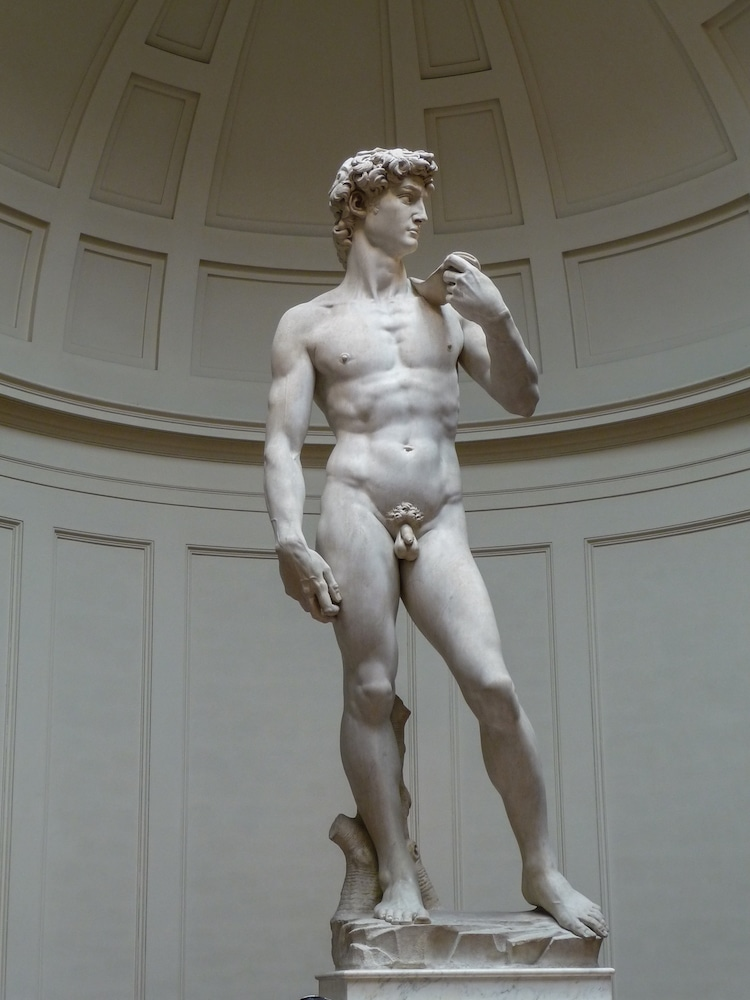
The movement was shaped by extraordinary minds whose works continue to define artistic excellence. Leonardo da Vinci blended scientific curiosity with artistic mastery in works such as The Last Supper and the Mona Lisa, demonstrating how observation could transform painting. Michelangelo celebrated the strength and beauty of the human form through monumental achievements like David, while Raphael brought harmony and intellectual ambition together in The School of Athens. Even Sandro Botticelli looked to classical mythology in The Birth of Venus, showing that Renaissance artists were expanding the boundaries of artistic subject matter as well as technique.
What makes the Renaissance truly revolutionary is that its influence never ended. Nearly every movement that followed, whether embracing its ideals or rebelling against them, began in conversation with the innovations introduced during this period. It established the artist as a creative thinker rather than a skilled craftsman, proved that careful observation could reshape artistic expression, and laid the foundation upon which centuries of artistic experimentation would be built. In many ways, the story of modern art begins here.
2. Baroque: The Movement That Made Art Feel Like a Spectacle
If the Renaissance taught artists how to recreate reality, the Baroque movement asked a different question: How can art make people feel something instantly? Emerging in Italy toward the end of the 16th century, Baroque art took the balance and realism of the Renaissance and infused it with movement, emotion, and theatrical intensity. It wasn’t enough for a painting or sculpture to be admired from afar anymore, it had to captivate, overwhelm, and pull viewers directly into the moment.
This dramatic shift wasn’t accidental. Europe was undergoing immense political and religious change, particularly during the Counter-Reformation, when the Catholic Church embraced art as a powerful means of inspiring faith. Artists responded by creating works that felt deeply human and emotionally charged. Saints were no longer distant, idealized figures; they appeared vulnerable, ecstatic, and full of life. Biblical stories unfolded with the suspense of a stage play, inviting viewers to witness moments of revelation, sacrifice, and triumph as if they were standing in the same room.
Few artists understood the power of drama better than Caravaggio. His revolutionary use of intense contrasts between light and shadow, known as chiaroscuro, transformed ordinary scenes into gripping visual narratives. Rather than placing his subjects in idealized settings, he portrayed them with startling realism, making sacred stories feel immediate and relatable. His influence spread across Europe, inspiring generations of artists to think differently about light, composition, and emotional storytelling.
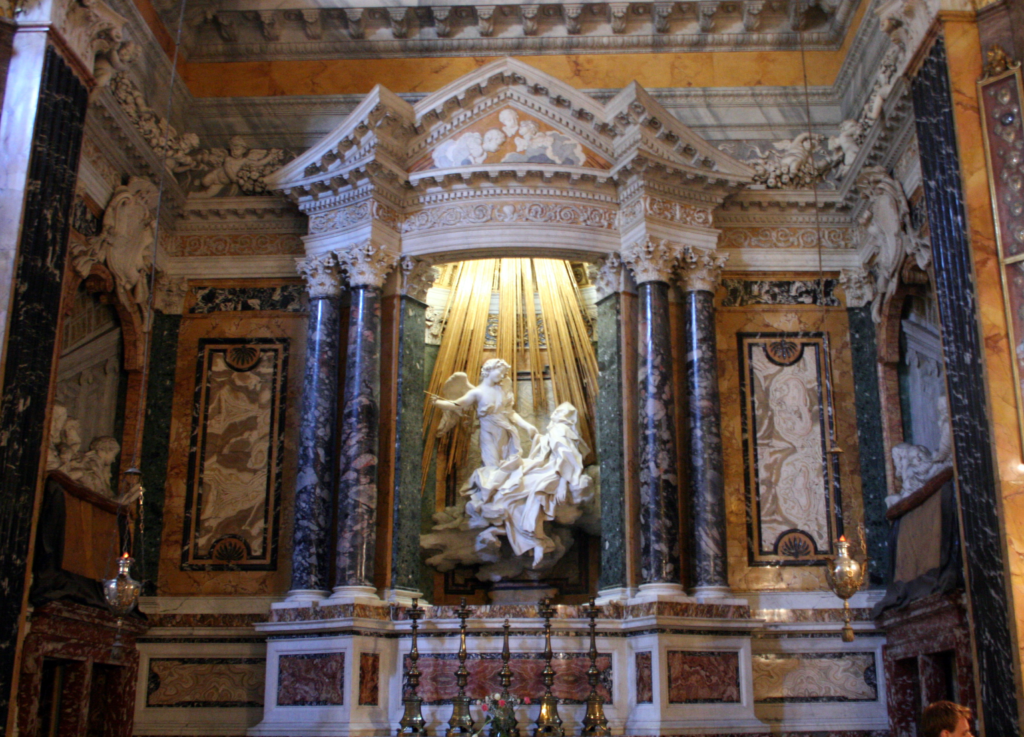
The Baroque spirit extended far beyond painting. Sculptor Gian Lorenzo Bernini blurred the line between sculpture and performance through works that seem almost impossibly alive. Flowing drapery, twisting figures, and expressive faces create the illusion of movement frozen in stone, inviting viewers to walk around the sculpture and experience it from multiple angles. Meanwhile, Rembrandt explored a quieter form of drama, using subtle lighting and deeply psychological portraits to reveal the emotional complexity of his subjects.
Architecture also embraced the Baroque love of grandeur. Churches, palaces, and public spaces became immersive experiences filled with sweeping staircases, elaborate ornamentation, soaring domes, and richly decorated interiors. Every detail was designed to inspire awe, making visitors feel as though they had stepped into a world where art, architecture, and storytelling worked together.
The Baroque movement proved that technical skill alone wasn’t enough to create unforgettable art. Emotion, movement, and atmosphere became just as important as accuracy, leaving a legacy that continues to influence filmmakers, photographers, theatre designers, and visual storytellers today. Long before cinema existed, Baroque artists had already discovered how to turn a single frozen moment into a story filled with tension, wonder, and unforgettable emotion.
3. Impressionism: The Movement That Turned a Moment Into a Masterpiece
Today, the soft colors and shimmering landscapes of Impressionism are among the most beloved images in art history. Yet when these paintings first appeared, they were ridiculed. Critics dismissed them as unfinished sketches, mocking their loose brushstrokes and lack of fine detail. Ironically, the term Impressionism itself began as an insult. What was once considered careless and unconventional would eventually become one of the most influential movements ever created, proving that art didn’t have to imitate reality perfectly to capture its essence.
In the late 19th century, a group of French artists grew frustrated with the rigid standards of the official art academies. Traditional exhibitions favored polished historical scenes and carefully finished compositions painted inside studios. These artists chose a completely different path. They carried their canvases outdoors, painting directly from life to observe how sunlight, weather, and the passing hours transformed the world around them. Rather than recording every detail, they focused on the fleeting effects of light, atmosphere, and movement—the qualities that disappear almost as quickly as they appear.
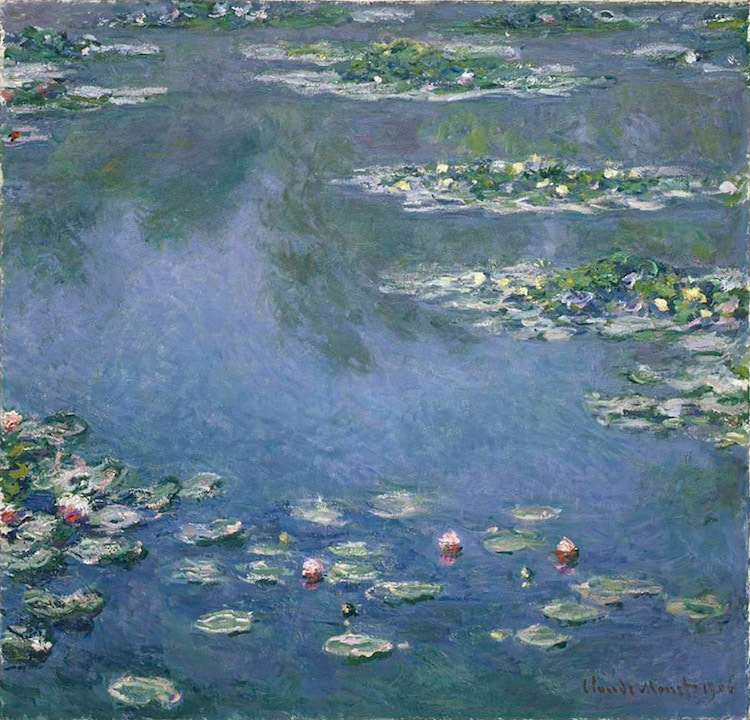
Among the pioneers of this approach was Claude Monet, whose fascination with changing light became central to the movement. Instead of treating a landscape as a fixed scene, he painted the same subject repeatedly under different conditions, revealing how color and mood shifted from morning to evening or across the seasons. His painting Impression, Sunrise not only inspired the movement’s name but also captured its philosophy: a painting could express the feeling of a moment rather than every precise detail within it.
Monet wasn’t alone in redefining artistic vision. Pierre-Auguste Renoir celebrated lively gatherings and intimate portraits filled with warmth and vibrant color, while Camille Pissarro explored everyday rural and urban life with remarkable sensitivity. Mary Cassatt brought fresh perspectives to the movement through her thoughtful depictions of women and family life, proving that ordinary moments could carry extraordinary emotional depth.
Perhaps Impressionism’s greatest achievement was changing the way people looked at the world. Instead of presenting nature as something permanent and perfectly defined, it revealed that our experience of reality is constantly shifting. Light changes by the second, colors transform depending on the time of day, and no two moments are ever truly the same. By embracing this idea, the Impressionists freed artists from centuries of strict conventions and opened the door to modern art. Every movement that followed, from Post-Impressionism to abstraction, owed something to their willingness to paint not just what they saw, but what they experienced.
4. Cubism: The Movement That Broke Reality Apart
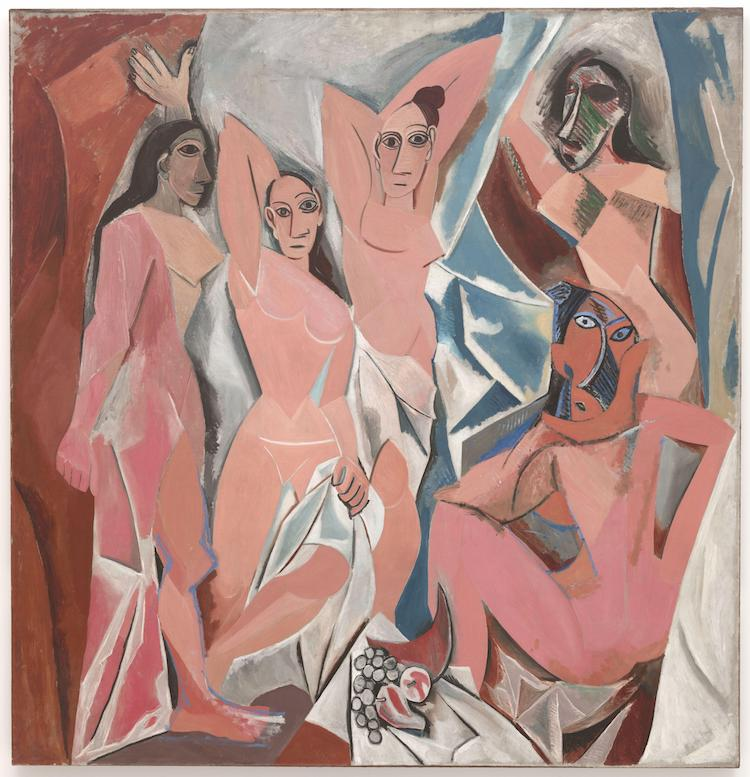
For centuries, artists shared one common goal: to make the world look as realistic as possible. Perspective, proportion, and depth had become the gold standard of artistic achievement ever since the Renaissance. Then, in the early 20th century, Cubism arrived and turned that idea on its head. Instead of asking, “How can I paint what I see?” Cubist artists asked something far more radical: “What if reality can’t be understood from just one point of view?” That single question sparked one of the most revolutionary movements in the history of modern art.
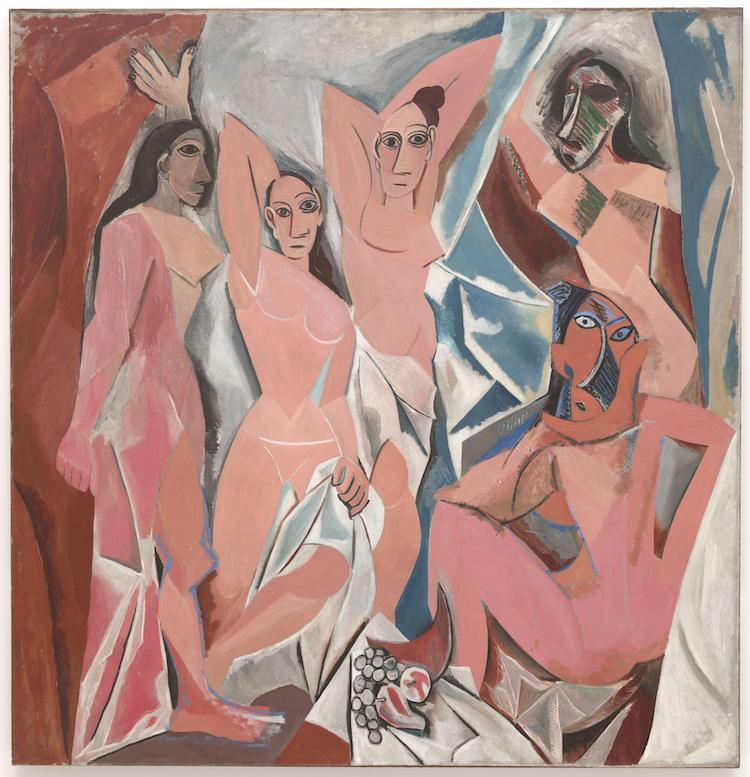
Developed by Pablo Picasso and Georges Braque, Cubism abandoned the centuries-old illusion of looking through a window into a scene. Instead, objects were broken down into geometric planes and reconstructed from multiple perspectives at once. A face might reveal both its profile and its front view simultaneously, while a musical instrument or still life could appear fragmented yet strangely complete. Rather than depicting how the eye naturally sees, Cubism explored how the mind understands form, space, and structure.
This was a revolutionary shift because it challenged one of art’s oldest assumptions, that there is only one correct way to view an object. Inspired by developments in modern science, photography, and rapidly changing ideas about perception, Cubist artists believed reality was far more complex than a single frozen moment. Their paintings encouraged viewers to slow down, piece together visual clues, and actively participate in interpreting the image instead of simply observing it.
One of the defining works of the movement, Les Demoiselles d’Avignon, shocked audiences with its fractured figures and bold rejection of traditional beauty. While controversial when it first appeared, the painting signaled the beginning of a new artistic language that would reshape the course of modern art. As Cubism evolved, artists experimented with even greater abstraction, reducing everyday objects to simplified forms and muted color palettes that emphasized structure over surface detail.
Cubism’s influence reached far beyond painting. It transformed sculpture, architecture, graphic design, and even literature by proving that creative expression didn’t have to imitate the visible world to be meaningful. More importantly, it expanded the very definition of what art could be. By dismantling conventional perspective and rebuilding it into something entirely new, Cubism gave future generations permission to question every artistic rule that had come before. In doing so, it became one of the boldest turning points in the evolution of modern creativity.
5. Surrealism: The Movement That Turned Dreams Into Reality
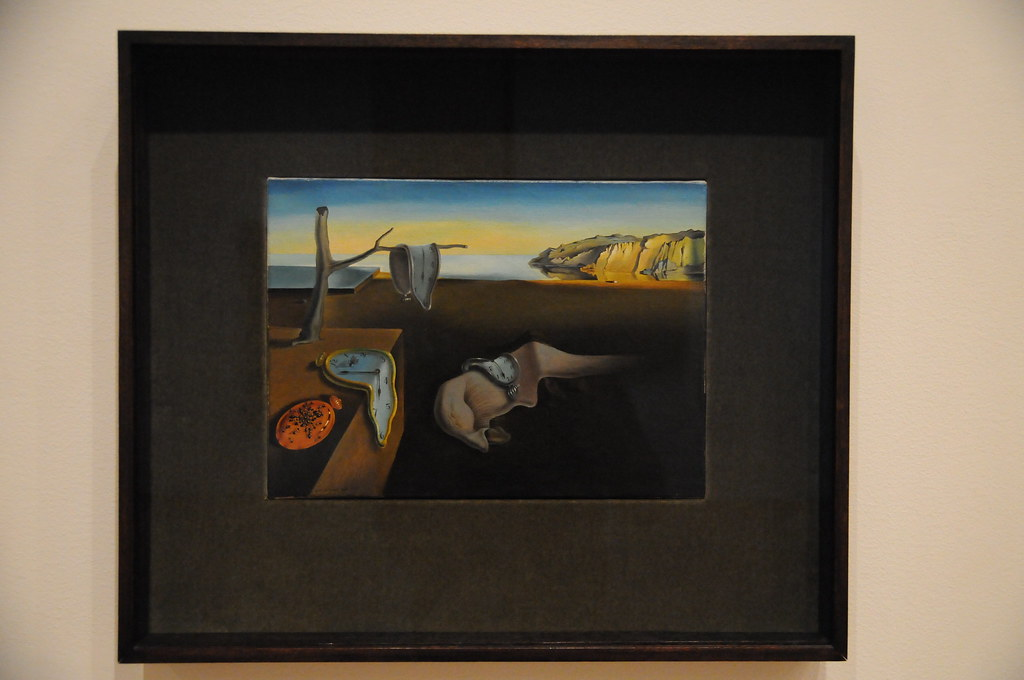
What if the strangest ideas in your mind were actually the most powerful source of creativity? In the aftermath of the First World War, many artists began to lose faith in logic, reason, and the traditional ways of understanding the world. Reality itself seemed uncertain, and they believed that the answers they were searching for couldn’t always be found in the visible world. Instead, they turned inward, to dreams, memories, fantasies, and the subconscious. From this desire to explore the unseen emerged Surrealism, a movement that forever blurred the line between imagination and reality.
Unlike earlier artistic styles that sought to faithfully represent the external world, Surrealism embraced the irrational. Influenced by the psychological theories of Sigmund Freud, Surrealist artists became fascinated with dreams and the hidden workings of the human mind. They believed that the subconscious held truths that everyday logic often concealed. Their paintings invited viewers into impossible worlds where melting clocks, floating objects, unexpected juxtapositions, and mysterious landscapes felt strangely believable, even when they defied every law of nature.
Among the movement’s most recognizable figures was Salvador Dalí, whose extraordinary attention to detail made even the most bizarre scenes appear astonishingly real. Rather than using abstraction, Dalí painted his dreamlike visions with meticulous precision, making the impossible feel tangible. Alongside him, René Magritte challenged viewers through visual puzzles that questioned language, identity, and perception, while Max Ernst experimented with innovative techniques that allowed chance and spontaneity to shape the creative process.
What made Surrealism so revolutionary wasn’t simply its unusual imagery, it fundamentally changed the purpose of art. Instead of offering answers or recording reality, it encouraged viewers to ask questions. Why do dreams feel so convincing? Can imagination reveal truths that logic cannot? Is reality only what we can see? Every painting became an invitation to interpret rather than observe, ensuring that no two viewers experienced the same work in exactly the same way.
Nearly a century later, Surrealism continues to influence cinema, photography, fashion, advertising, and digital art. Its dreamlike visual language remains instantly recognizable because it speaks to something universal: the mysterious world inside every human mind. By proving that the impossible could feel believable, Surrealism expanded the boundaries of artistic expression and reminded us that some of the most profound ideas are born not from certainty, but from imagination.
6. Abstract Expressionism: When Emotion Became the Artwork
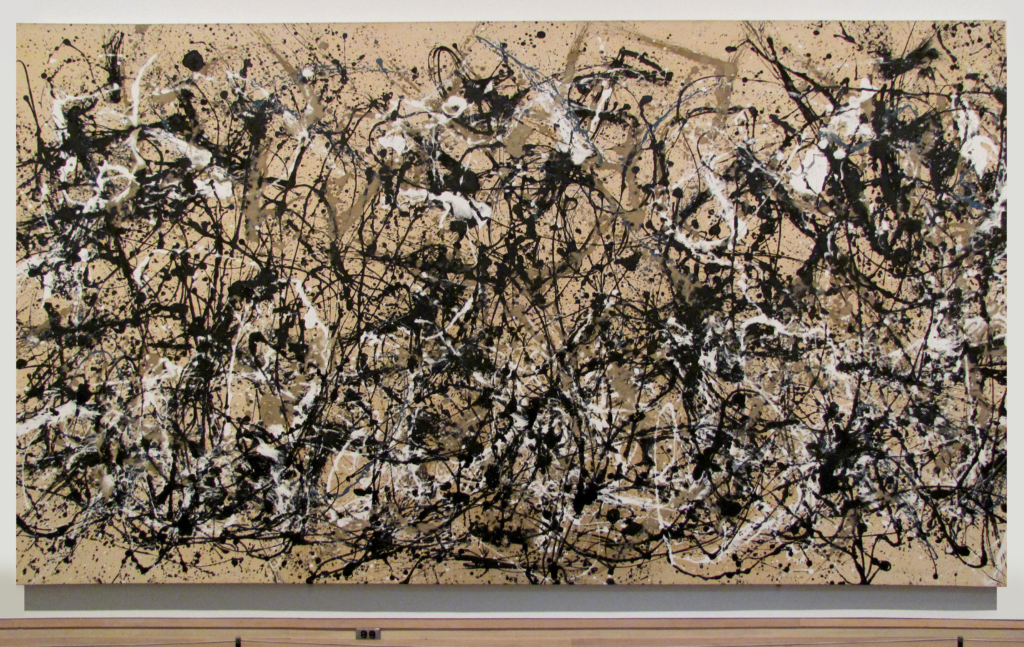
For thousands of years, art had almost always been expected to depict something, a person, a landscape, a historical event, or a story. Even the boldest artistic revolutions still offered recognizable subjects for viewers to interpret. Then, in the years following the Second World War, a new generation of artists posed an unexpected question: What if a painting didn’t have to represent anything at all? Instead of illustrating the world around them, they began using paint itself to express emotion, energy, and the complexities of the human experience. This radical shift became known as Abstract Expressionism.
Emerging in New York during the 1940s and 1950s, the movement marked a significant turning point in modern art. For centuries, Paris had been considered the heart of the art world, but Abstract Expressionism helped establish New York as a new global center for artistic innovation. Rather than following traditional rules of composition or subject matter, artists embraced spontaneity, intuition, and personal expression. Every brushstroke, splash of paint, or field of color became part of the artwork’s meaning, making the creative process just as important as the finished piece.
Few artists embodied this philosophy more dramatically than Jackson Pollock. Instead of placing a canvas on an easel, Pollock laid it on the floor, moving around it as he dripped, poured, and flicked paint across its surface. His technique transformed painting into a physical performance, capturing movement and rhythm in ways audiences had never seen before. At the same time, artists such as Mark Rothko explored emotion through vast fields of luminous color, inviting viewers into quiet, contemplative spaces, while Willem de Kooning combined abstraction with expressive, energetic forms that challenged conventional ideas of representation.
What made Abstract Expressionism so revolutionary was its belief that art could communicate feelings without relying on recognizable images. There was no single story to follow or correct interpretation to uncover. Instead, each viewer brought their own experiences, emotions, and memories to the work, making every encounter deeply personal. This openness transformed the relationship between artist and audience, encouraging people to experience a painting rather than simply understand it.
The movement reshaped contemporary art by proving that creativity wasn’t limited by subject matter or technique. It opened the door to countless forms of abstraction that followed and challenged artists to see the canvas not as a window onto the world, but as a space where ideas, emotions, and human experience could exist in their purest visual form.
7. Pop Art: The Movement That Asked, “What Counts as Art?”
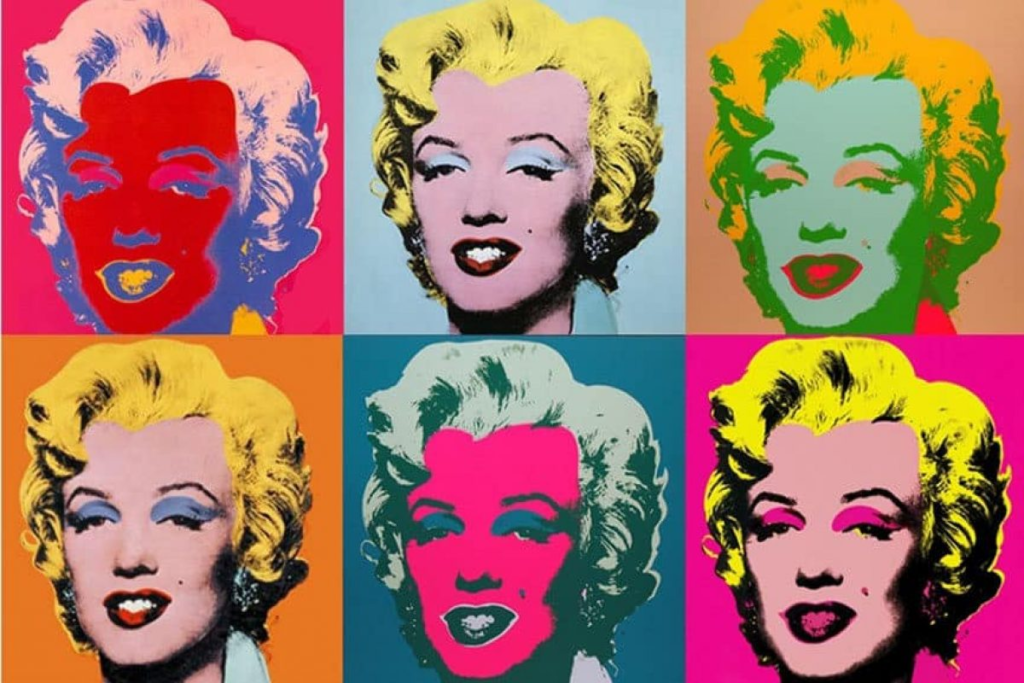
Could a soup can belong in a museum? What about a comic book panel, a celebrity photograph, or a product you pass every day at the grocery store? Before the 1950s, most people would have laughed at the idea. Fine art was expected to be serious, original, and separate from popular culture. Then Pop Art arrived and erased that boundary almost overnight. By embracing the ordinary instead of rejecting it, the movement challenged long-held ideas about creativity, originality, and even the purpose of art itself.
Emerging in post-war Britain and the United States, Pop Art reflected a rapidly changing world shaped by television, advertising, magazines, cinema, and mass-produced consumer goods. Rather than looking to mythology, religion, or historical events for inspiration, Pop artists turned their attention to the visual language people encountered every day. Bright packaging, comic strips, celebrity culture, and commercial branding became legitimate artistic subjects, forcing audiences to reconsider whether beauty and meaning could be found in the most familiar places.
No artist became more closely associated with this cultural shift than Andy Warhol. By repeatedly reproducing everyday products and famous faces, Warhol blurred the line between fine art and mass production. His work questioned whether an artwork had to be unique to hold value and explored how modern society consumed images just as quickly as it consumed products. Alongside him, Roy Lichtenstein transformed the bold lines and dramatic speech bubbles of comic books into monumental paintings, elevating a form of visual storytelling that had long been dismissed as entertainment rather than art. Meanwhile, Jasper Johns challenged viewers by reimagining familiar symbols, encouraging them to see everyday objects with fresh eyes.
What made Pop Art revolutionary wasn’t simply its colorful aesthetic, it completely changed the conversation about artistic value. It suggested that inspiration didn’t have to come from distant history or grand ideas; it could emerge from supermarket shelves, newspapers, advertisements, and the endlessly repeated images of modern life. In doing so, Pop Art reflected a society increasingly shaped by media and consumer culture while inviting viewers to question the relationship between art, commerce, and identity.
Today, its influence is impossible to miss. From graphic design and fashion to social media, street art, and digital culture, Pop Art’s bold visual language continues to shape how images are created, shared, and consumed. More than half a century later, its central question remains as relevant as ever: if the ordinary surrounds us every day, perhaps it’s been extraordinary all along.
8. Installation Art: When the Viewer Became Part of the Artwork
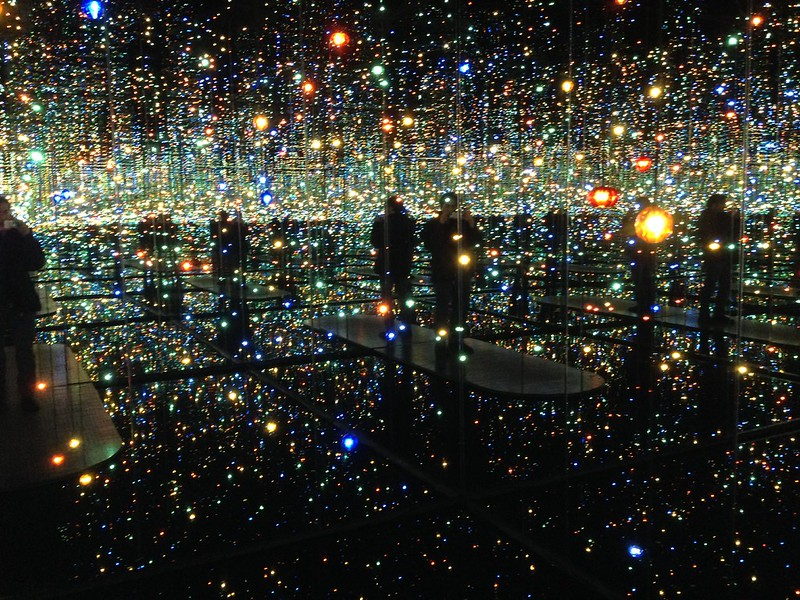
For centuries, experiencing art usually meant standing in front of a painting or walking around a sculpture. The artwork remained separate from the viewer, inviting observation but rarely participation. Installation Art challenged that relationship entirely. Instead of creating something to simply look at, artists began designing entire environments that people could step into, move through, and experience with their own senses. In this movement, the gallery itself became part of the artwork, and the viewer became an active participant rather than a passive observer.
Emerging in the mid-20th century, Installation Art grew from artists’ desire to break free from the limitations of traditional media. Rather than relying solely on canvas or stone, they began working with whatever best communicated their ideas, light, mirrors, fabric, flowers, sound, found objects, and even entire rooms. Every element within the space was carefully considered, transforming ordinary environments into immersive experiences that encouraged visitors to slow down, explore, and interact. The goal was no longer to create a single object of admiration but to evoke emotion, spark curiosity, or encourage reflection through experience itself.
Among the movement’s most celebrated figures is Yayoi Kusama, whose immersive mirror installations surround visitors with endless reflections, dissolving the boundaries between the artwork and the observer. Through repetition, light, and illusion, her environments invite people to experience concepts such as infinity, self-perception, and the vastness of the universe in deeply personal ways. Equally influential is Louise Bourgeois, whose large-scale installations explored memory, identity, and emotion through psychologically charged spaces, while Damien Hirst pushed contemporary installation into new territory by combining science, symbolism, and spectacle to provoke conversation about life, death, and value.
What makes Installation Art revolutionary is that no two experiences are ever exactly the same. The meaning of the work often changes depending on where a visitor stands, how they move through the space, or what emotions they bring with them. Unlike a traditional painting that remains unchanged on a wall, an installation unfolds over time, making the audience an essential part of the artwork itself.
Today, Installation Art has transformed museums and galleries around the world, proving that creativity isn’t confined to a frame or pedestal. It has expanded the very definition of art, replacing observation with participation and reminding us that sometimes the most memorable masterpiece isn’t one you simply see, it’s one you step inside and experience for yourself.
The story of art is, at its heart, the story of people who refused to accept that creativity had reached its limits. From the Renaissance’s pursuit of realism to Installation Art’s immersive experiences, each movement challenged the conventions of its time and expanded the possibilities of artistic expression. Rather than replacing one another, these movements built an ongoing conversation, each questioning, refining, or completely reimagining what came before.
Their influence extends far beyond gallery walls. The ideas born within these artistic revolutions continue to shape the films we watch, the buildings we admire, the advertisements we see, the digital experiences we interact with, and the countless ways visual stories are told today. Whether through the dramatic intensity of the Baroque, the fleeting beauty captured by the Impressionists, the fragmented perspectives of Cubism, or the dreamlike worlds of Surrealism, these movements remind us that art evolves because artists continue to ask bold questions.
Perhaps that’s what makes these eight movements truly revolutionary. They didn’t simply introduce new techniques or styles, they changed the way people thought about creativity itself. Each one proved that art isn’t defined by a single set of rules but by an endless willingness to explore, experiment, and see the world differently.
If you could add one more art movement to this list, which would it be?
You might also enjoy exploring how artists have used creativity to express the complexities of the human mind. In Artworks That Explored Madness, we look at powerful works that confront themes of psychological struggle, perception, and emotion, offering another fascinating perspective on how art reflects the human experience.
Read next: Artworks That Explored Madness