
Watch & Listen to this podcast Episode.
The creative economy is valued at almost ten trillion dollars.
Sit with that number for a moment. Ten trillion dollars moving through the global art, design, film, fashion, music, and cultural industries every year. Trillion. With a T. A number so vast it shapes economies, builds empires, and quietly funds entire ecosystems most people interact with every day without ever thinking about who is creating the value underneath it.
Now consider that almost none of that money reaches the hands of the people doing the creating.
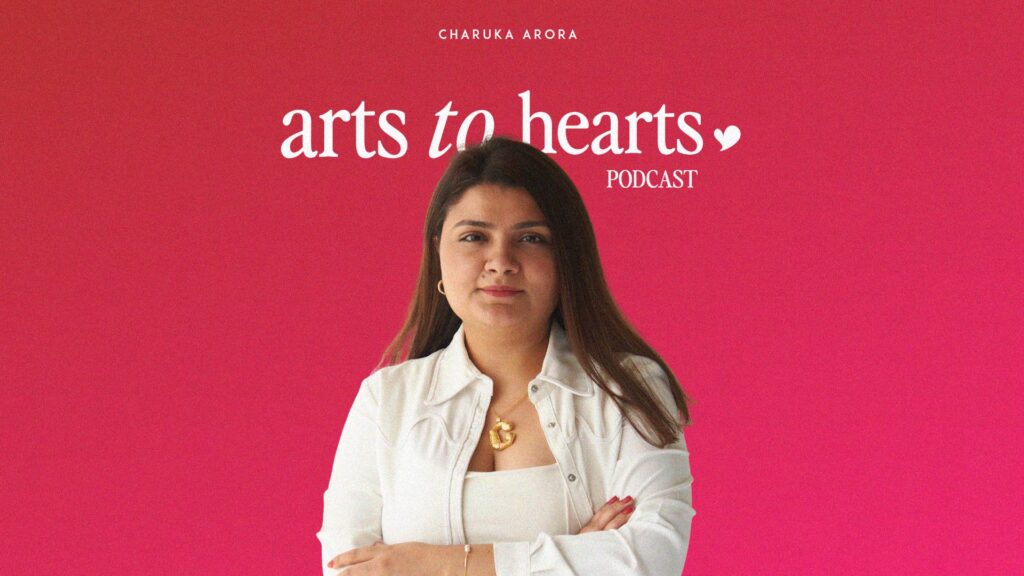
This is the question Charuka Arora steps into in this episode of Season 6 of the Arts to Hearts Podcast. After years of conversations with artists, gallerists, collectors, and curators about visibility, audience, and creative practice, she wanted to have a different kind of conversation this time. Not about how artists make work — about how the industry built around them makes money, and why so little of that money flows back to the people whose labour the entire economy depends on.
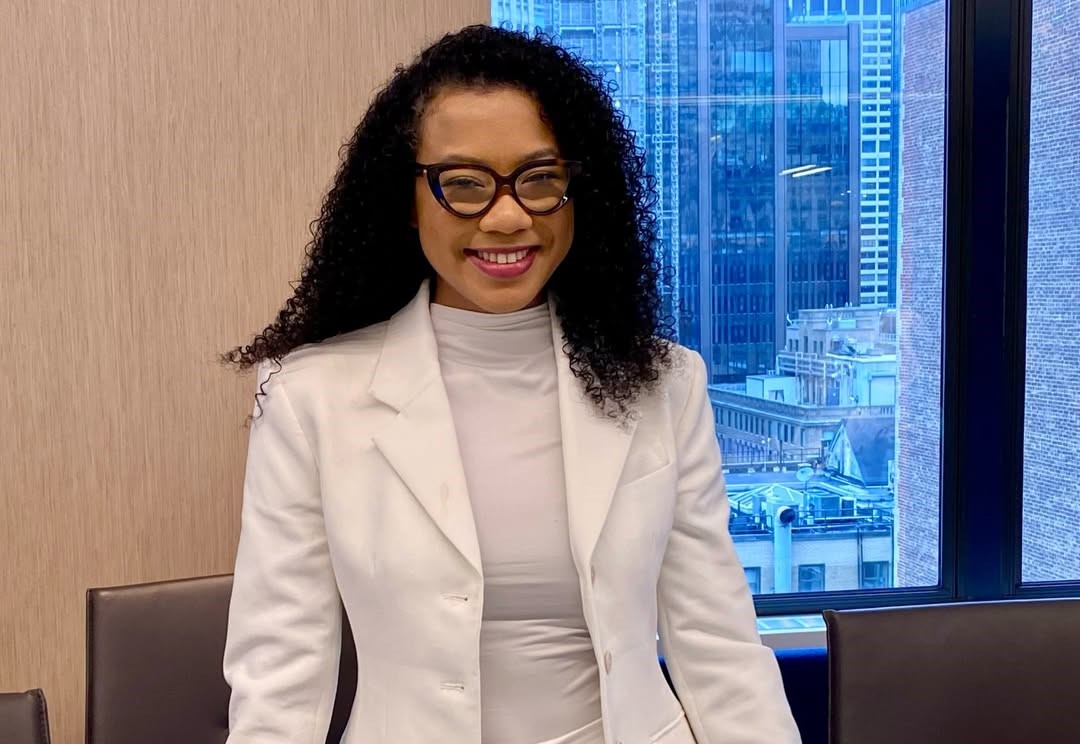
For this conversation, Charuka is joined by Nina Orm, one of the most clarifying voices working at the intersection of art and finance today.
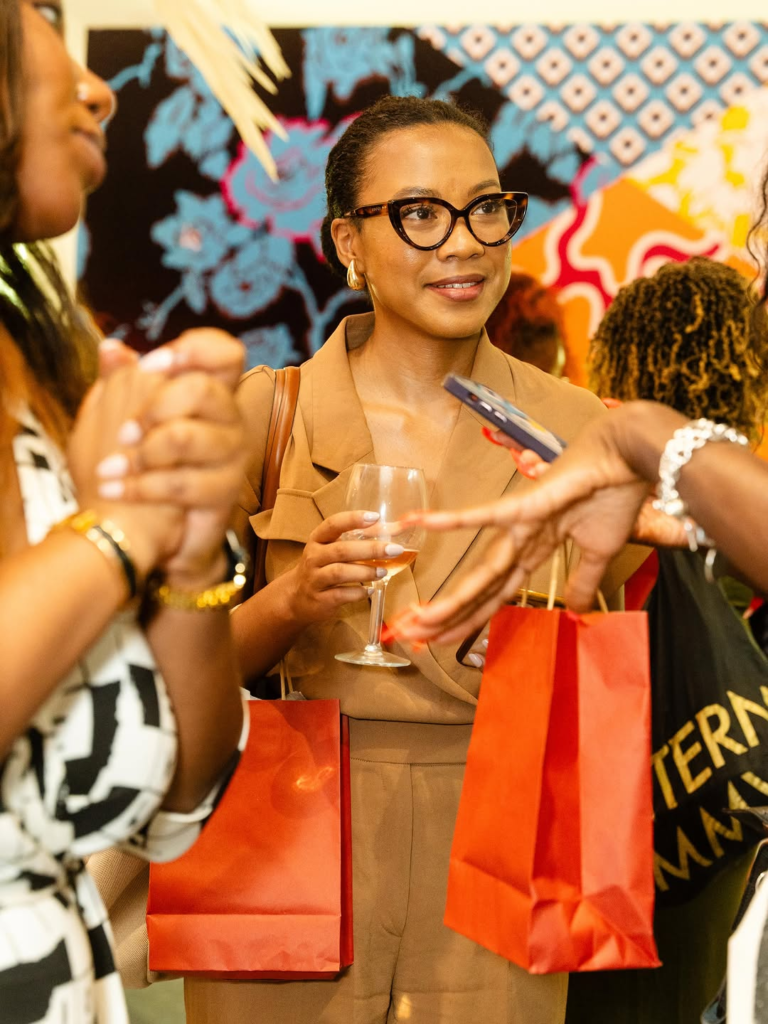
Nina is the founder of Creativity Meets Capital, a media and advisory platform exploring the intersection of art, culture, ownership, and wealth. Her work helps artists, collectors, founders, and cultural institutions understand how value is created, preserved, and transferred inside the creative economy and how that value can finally be redirected back to the people making the work.
What makes Nina’s perspective especially valuable is that she did not arrive in the art world through a traditional art world path. With a double major in political science and history, and a background that moves through politics, finance, and entrepreneurship before landing in the cultural sector, she brings the rarest thing in the contemporary art conversation: a structural lens.
She does not see artists as fragile or impractical or naturally bad at business. She sees them as the foundational labour underneath a multi-trillion-dollar industry that has, for decades, been designed to extract value upward and away from them. Her diagnosis is one of the most useful arguments said on this podcast in a long time.
Artists are not broke because they are bad at business. Artists are broke because no one ever built the financial infrastructure for them. That distinction matters enormously, and it is the argument running underneath the entire episode.
The 50% Split Everyone Treats as Normal
Most artists know the standard split. Fifty percent to the artist. Fifty percent to the gallery.
Tell anyone in any other industry that the maker of the product only keeps half the sale price, and they will assume you’re joking. A freelance designer giving up fifty percent would think they were being exploited. A musician handing over fifty percent of streaming revenue would burn the contract.
In the art world, fifty-fifty is the floor. Many galleries take sixty. Some take seventy. The artist walks away with thirty percent of the sale of work they made with their own hands.

What makes the conversation interesting isn’t that Nina argues galleries are bad.
She doesn’t. Instead, she asks artists to understand the systems they’re participating in. Because the more artists understand how value moves through the industry, the better equipped they are to make informed decisions about their own careers. And maybe that’s where so many problems begin. Not with bad intentions but with a lack of information.
What Happens When Artists Don’t Know the Rules?
This is the part of the conversation that lands hardest.
Art schools even the elite ones almost never teach the business of being an artist. They teach craft. They teach theory. They teach history. They do not teach contracts, intellectual property, licensing, royalty structures, equity, or how to read a basic profit and loss statement.
So when an artist eventually sits across from a gallerist, a brand collaborator, a licensing agent, or a curator with a contract in their hand they don’t always know what to ask. What to push back on. What is negotiable. What is a trap.
They sign things they don’t fully understand. They agree to terms they didn’t realise were optional. They sometimes lose ownership of work they made themselves and only find out years later.
Nina says:
So much of the art world relies on an artist not knowing
That sentence should be on a poster.
Because if artists were actually fluent in the legal and financial structures shaping their careers, half of the standard practices in the industry would not survive a single honest negotiation.
The strongest position any artist can operate from isn’t a louder Instagram or a better portfolio. It is knowing what they own, what they’re signing, and what they’re entitled to ask for instead.
The Starving Artist Myth Is a Fantasy Only Privileged People Can Afford
Halfway through the conversation, Nina drops a line that should end an entire cultural era:
Being a starving artist is a luxury only a privileged person can really afford
Read that twice.
For generations, the art world has romanticised suffering. The broke painter in the cold studio. The writer surviving on instant noodles. The musician sleeping on couches in pursuit of the muse. The unspoken belief that financial precarity is somehow connected to artistic authenticity.
It isn’t. The artists who actually survive long-term aren’t the ones who romanticised the struggle. They are the ones who built the financial floor strong enough to keep making work over decades. They used money as a tool instead of fearing it as a corruption. They built operational systems. They diversified revenue. They negotiated contracts. They protected ownership.
The artists who couldn’t do these things didn’t disappear because the work wasn’t good. They disappeared because they couldn’t financially sustain the slow years every meaningful creative career requires.
The starving artist myth isn’t a noble identity. It’s an exit strategy disguised as a virtue.
Why Successful Artists Obsess Over Things Nobody Posts About
There’s a fear most artists carry quietly that if they get too organised, they’ll somehow lose their creative edge. The systems will flatten the spontaneity. The structure will kill the magic.
Because here’s what’s actually happening when an artist resists systems:
They’re anxious about rent. About late client payments. About taxes. About whether they remembered the follow-up email. About whether they posted this week. About whether the gallery will honour the agreement. About whether their copyrights are protected.
That isn’t creative fuel. That’s creative debt. Every unresolved system in an artist’s life is a small, constant tax on the bandwidth available for the actual work. The artists who set up automated email flows, who track cash flow on a simple spreadsheet, who understand what they own and what they’ve licensed, who have an emergency savings buffer those artists don’t lose their creative edge.
They free themselves to use it. The most romantic thing an artist can do for the work is build the boring systems that let them keep making it for the next thirty years.
The 10-10-10 Rule Worth Saving Forever
This is the part of the conversation worth keeping somewhere you can find it. After an artist covers the basics — rent, food, materials, utilities.
Nina breaks down where the remaining money should go.
- 10% into an emergency savings account. Liquid enough to access in a day, but not instantly. For the moments when a client pays late or an unexpected expense hits.
- 10% into long-term investing. Even small, consistent amounts compound. This is the money that buys future you the freedom to keep making work when present you isn’t generating income.
- 10% into yourself. A course. A skill. Equipment. A book. A workshop. Anything that meaningfully expands what you can make or charge for in the future.
Every dollar an artist earns should be doing one of three things. Protecting the present. Building the future. Or expanding the maker.
Money that isn’t doing one of those three things is money quietly leaking out of a career that needs every single dollar to work harder than it would in a more conventional industry. The framework sounds almost mundane until you notice how rarely anyone gives it to artists in language they can actually use.
Why Multiple Income Streams Aren’t Just About Money
The other big argument running through the conversation is the case for diversified revenue. Multiple income streams. Not because it’s trendy. Because depending on a single source of income is one of the most dangerous things an artist can do and not just financially.
When an artist depends entirely on one gallery, one collector, one licensing partner, one client — that source quietly holds power over the artist’s choices.

The artist starts dimming down. Saying yes when they should say no. Making the work that pleases the patron instead of the work that matters to them. The dependency compromises the creative voice that was supposed to be the whole point of the practice in the first place.
Diversified revenue isn’t only smart business. It is the artist’s defence mechanism against quietly losing themselves to whoever happens to be holding the cheque. The freedom to walk away from a bad deal is one of the most artistically important resources an artist can build.
The Question Every Artist Should Be Asking
If you take one thing away from this conversation, take this.
Money is not a destination. It is a tool. And the artists who eventually build meaningful careers are the ones who learn to use the tool early not as an act of selling out, but as an act of survival.
The industry, as it exists right now, isn’t built for artists. The economics favour the intermediaries. The legal structures favour the people who already understand the law. The culture still romanticises suffering. The educational system still rarely equips artists with the language to advocate for themselves financially.
None of that changes quickly. But every individual artist who decides to learn the systems, build the infrastructure, diversify the revenue, and protect the ownership is quietly stepping out of the dynamic that has historically kept artists broke.
The work is real. The systems are learnable. The mindset shift is the hardest part and it’s also the most important.
You are already a business. You have been a business since the moment you first sold your work. The only real question is whether you have been operating like one or whether the people on the other side of the table have been quietly counting on you not to.
That is the part worth carrying with you.
Watch the full conversation now and hear Nina unpack exactly how artists can finally build the financial and legal infrastructure most of them have never been taught.
Watch & Listen to this podcast Episode.
Listen to this & other episodes on