
Five Artists on the Creative Hours Behind Every Artwork They Make
At Arts to Hearts Project, we believe that the most revealing thing an artist can share is not the finished work. It is the part that came before it. The joy that made the hours disappear. The struggle that almost made them stop. The specific, personal, unglamorous reality of what it actually takes to make something worth making.
We have been asking the artists featured in 100 Emerging Artists of 2026 about exactly that. What part of your creative process do you love most? And what part do you find hardest? The answers have been coming back honest and specific and more vulnerable than we expected from artists still finding their footing. And every time we share a set we find ourselves going back for more. Because this conversation does not have an ending. It just keeps going.
100 Emerging Artists of 2026 is a premium hardcover coffee table book bringing together 100 of the most promising artists from around the world, across every discipline, gender, and creative background. Artists making work that is bold, original, and impossible to ignore. Artists whose names you will want to know before the rest of the world catches up.
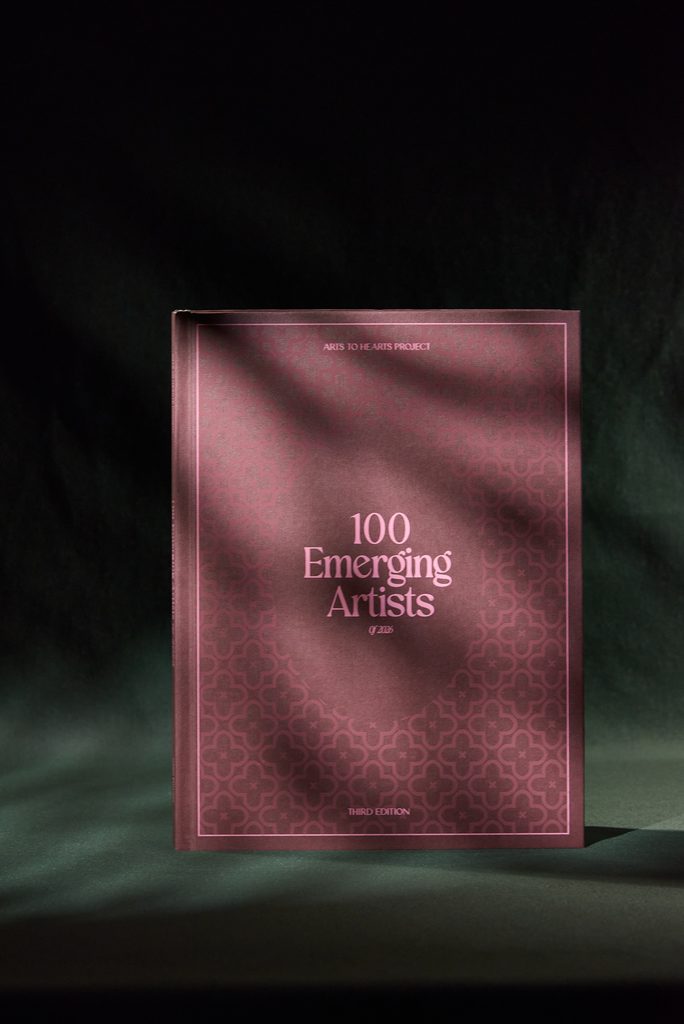
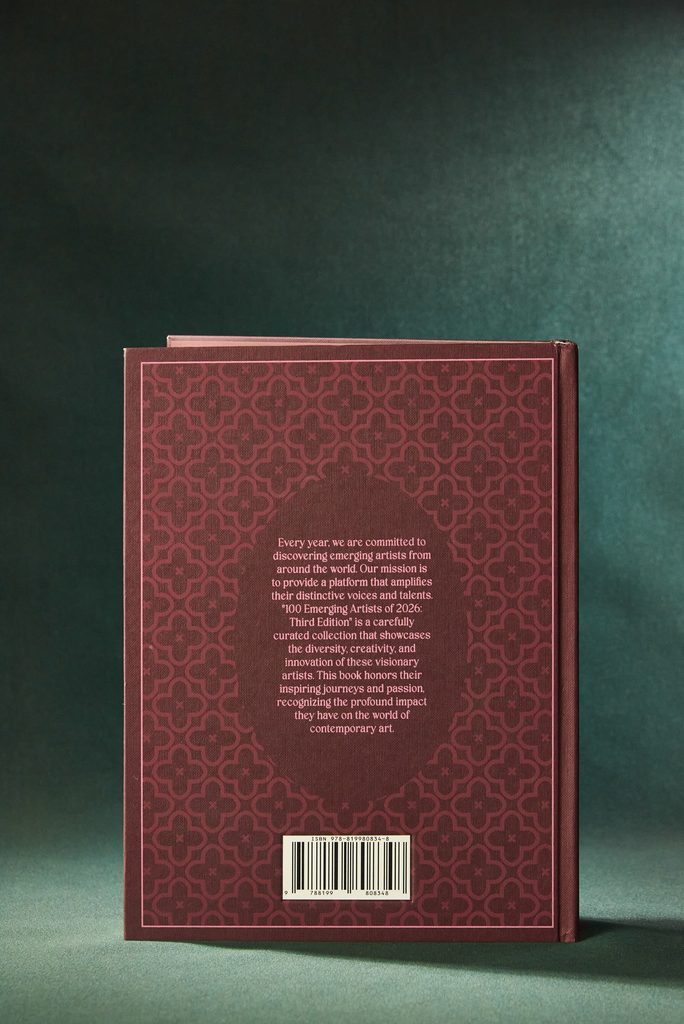
Here is the next set of answers. As honest as everything that came before. And just as worth reading.
The first layer is the easy part. The dark values are where most artists pause.
There is a particular kind of freedom that exists in the very beginning of a painting. Before the details arrive. Before the decisions get harder. When everything is still shapes and light and the possibility of what this could become. That stage belongs entirely to intuition. Nothing is fixed yet. Nothing can go wrong yet. And for a few minutes or a few hours the work just flows.
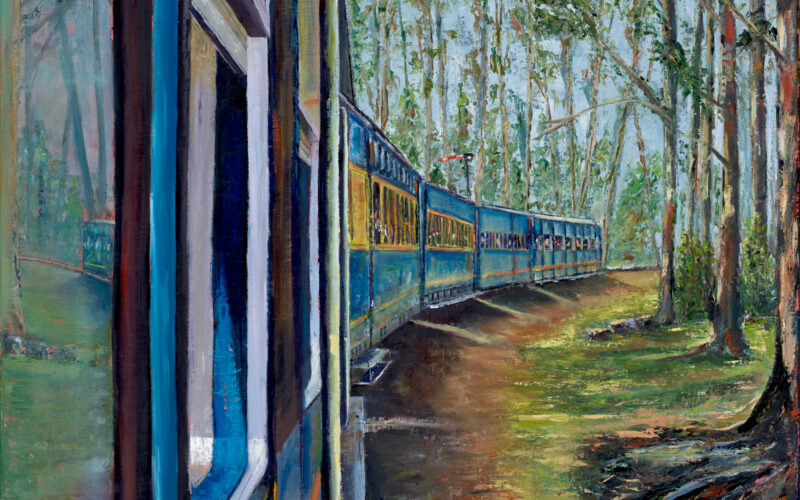
Bijal Ghelani @bijalghelaniart describes it this way:
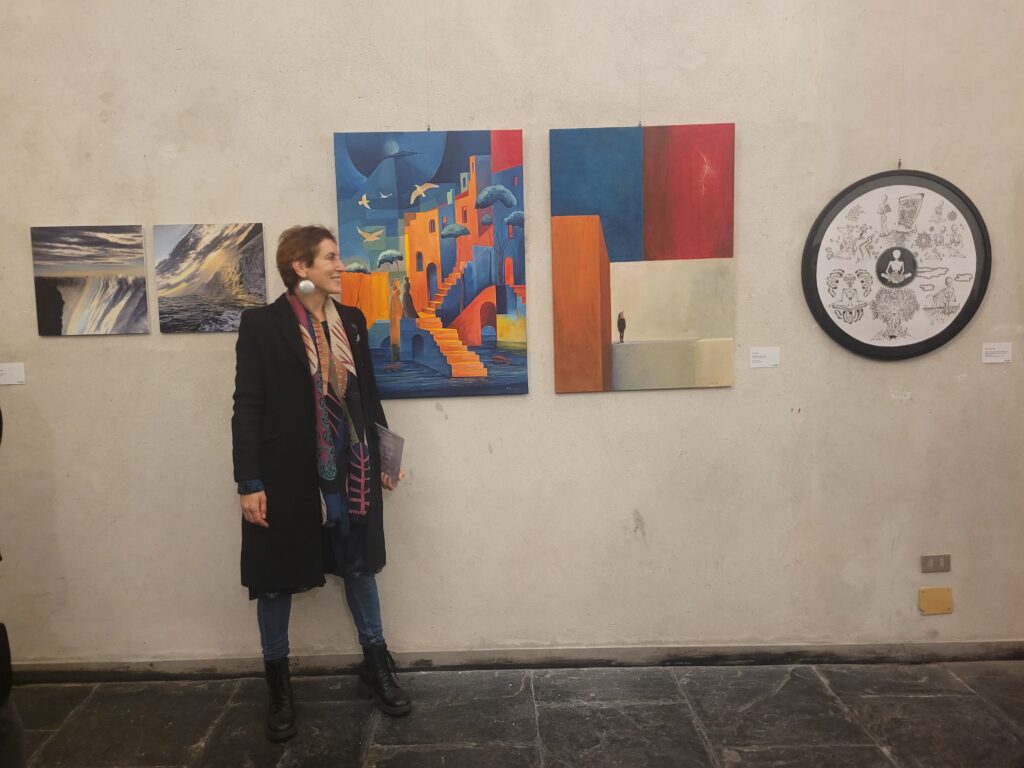
“I genuinely enjoy the entire process, but my favorite part is laying down the first layer. There’s a sense of freedom in approaching the canvas through simple shapes, observing light and form without worrying about details. It feels intuitive and open almost like the painting is finding its own direction. That stage is the most meditative for me, where I’m fully present and immersed. I struggle most with committing to dark values. I often hesitate, worried it might overpower or disrupt the balance of the painting. That moment of doubt can slow me down. But over time, I’ve learned to push through it trusting my instincts and understanding that those deeper tones are often what give the work its strength and depth.”
Bijal Ghelani
Those deeper tones are often what give the work its strength and depth. That is the thing Bijal has learned. The dark values that feel risky are usually the ones the painting was waiting for. The hesitation is real. The doubt is real. But so is what happens on the other side of it when you commit anyway. Some of the most important marks in a painting are the ones that scared the artist most before they made them.
Art that surprises the artist is usually the art that surprises everyone else too.
The best creative moments are rarely the ones that went according to plan. They are the ones where something shifted mid-process. A drip landed somewhere unexpected. A colour appeared that was never intended. And suddenly the painting became something the artist could not have designed if they had tried. That kind of happy accident is not luck. It is what happens when you stay open enough to let the work go somewhere you did not map out in advance.
Cat Choo @lovecatchoo told us something every artist will recognise:
“The part of the process I enjoy most is the magic of directing the energy, the drip, the unexpected colour. Sometimes I start with an idea in my head and the outcome is something a little bit different than what I had imagined. Sometimes it’s even better. It’s quite therapeutic. I really enjoy just creating things. I struggle with starting. Just jumping over, getting into the gear of getting ready to spend time working on something. It’s a struggle. But it’s also quite exciting.”
Cat Choo
It is a struggle. But it is also quite exciting. That is the most honest thing anyone has said about the act of beginning. Because the resistance before the work is real. And so is the anticipation underneath it. The knowledge that once you jump in something good is waiting. Something unexpected. Something that might turn out better than anything you planned. Cat knows this. And she still has to talk herself into starting every single time. Most artists do.
Ideas from intuition, from dreams, from emotion. And then the moment the painting shows itself.
Some of the best creative ideas do not arrive at a desk. They come from somewhere quieter and less deliberate. A feeling that will not leave. A dream that carried an image you could not shake. An emotion that had been building long enough that the only way through it was to make something. That is where the work begins for some artists. Not with a plan. With a pull toward something that has not yet found its form.
Christine Deschenes @missphoton.fine.art in her own words:
“My favorite part is when the artwork starts revealing itself more clearly, somewhere mid-way through the creation, where I think ‘oh… I can see you now!’. That’s when I fall in love with it. I love the steps before that as well: when ideas come from intuition, or from dreams, and the need to transcend and express an emotion. That is very satisfying too, but it’s the longest part. Where I struggle the most is when it’s time to prepare posts for my social medias and keeping up with the fast rhythm. To preserve my peace of mind, and the pleasure of creating, I recently decided to post when I am ready, and follow my own rhythm.”
Christine Deschenes
The pace the internet demands and the pace that good work actually requires are rarely the same thing. Christine figured that out and made a decision. Post when ready. Follow her own rhythm. Not the algorithms. Not the feeds. Hers. And in doing that she protected the thing that matters most. The pleasure of creating. Because without that, nothing else is worth posting anyway.
Knowing when to stop adding detail is one of the hardest skills in art.
There is a point in almost every drawing where it is almost there. Where one more mark might be the thing that makes it sing. Or the thing that kills it. And the only way to know which is to make the mark and find out. That moment, balanced on the edge between enough and too much, is one of the most honest and terrifying places an artist can stand. And the ones who work in fine detail live there more than most.
Annalena Ouwens @annalena.ouwens.art knows it better than anyone:
“I truly love every part of my process. But the part I enjoy the most is at the same time the part I struggle with the most: adding the small details. The highlights in the eyes, the finest hair or whiskers of a cat — they bring the drawing to life. But it’s also hard to find the right moment to stop and not to overdo it.”
Annalena Ouwens
The highlight in the eye. The finest whisker. The mark so small most people will never consciously notice it and yet the drawing simply would not be alive without it. Annalena loves this part more than any other. And struggles with it more than any other. Because the same instinct that pushes her to add the detail that brings everything to life is the same instinct that can push her one mark too far. Learning to tell the difference is not something that gets easier. It just becomes something you navigate with more trust.
The most joyful creative practices are sometimes the hardest ones to start.
Loving what you do and still struggling to begin it. That is one of the most relatable things an artist can admit. You know the joy is there. You know exactly how good it feels once you are in it. And somehow none of that makes the first step easier. The resistance shows up anyway. Every single time.
Victoria Georgieva @veryberrydraws lives in that tension:
“Injecting extra colour into my artwork is absolutely my favourite part! My process of turning ordinary objects into high chroma artworks which I’ve dubbed ‘colour bending’ is the part I enjoy the most when creating my pieces! Painting with vivid colours always feels like unrestrained expression of joy and wonder. The worst part is starting new pieces. I constantly have a lot of ideas but I’m slow to commit to them, especially when they’re bigger and I know would take more time. Creating a large volume of work definitely requires a lot of discipline which is something that I struggle with.”
Victoria Georgieva
Unrestrained expression of joy and wonder. That is what colour bending is for Victoria. And yet the ideas sit. The bigger pieces wait. The commitment takes longer than the inspiration. Because knowing something will bring you joy and finding the discipline to begin it are two entirely different skills. Victoria has mastered one completely. She is still working on the other. And honestly that makes her practice more relatable than most.
Reading through all of these we kept noticing the same thing. The joy and the struggle are never far apart. For every artist who described the moment a painting revealed itself, or the magic of an unexpected colour, or the thrill of a detail that brought everything to life, there was also an honest admission of what makes it hard. The resistance before starting. The hesitation before going darker. The algorithm demanding more than the work can give. The ideas that sit waiting for the discipline to begin them.
And not one of these artists seemed surprised by any of it. They have just learned to work with both. The joy and the difficulty. The freedom and the commitment. The love of making and the very real struggle of getting started.
That is what a real creative practice looks like from the inside. And that is what 100 Emerging Artists of 2026 captures across every page. Not just the work. The people behind it. The book is available now at the link below.
And if you are an artist with a practice of your own, 101 Art Book: Texture Edition is now open for submissions. A curated international collection celebrating artists who work with surface, material, and tactile depth. If texture is at the heart of what you make, this is your space. The link is below.