

2026 Met Gala Turned the Red Carpet Into an Art History Museum

For years, the Met Gala has borrowed from the language of art history. Designers referenced paintings, silhouettes echoed sculpture, and celebrities arrived dressed like carefully constructed museum pieces. But 2026 Met Gala felt different. This year, fashion did not simply reference art, it fully stepped inside it.
Built around the Costume Institute’s exhibition Costume Art, the evening transformed the red carpet into something closer to a living gallery space than a celebrity event. Portraits escaped their frames. Sculptures became silhouettes. Renaissance paintings, surrealist canvases, Impressionist landscapes, and mythological figures reappeared through embroidery, tailoring, drapery, and couture.
What made the night especially compelling was how intentional many of the references felt. The strongest looks were not costumes replicating famous artworks. They translated atmosphere, texture, symbolism, and emotional tone into fashion. A Klimt portrait became shimmering gold embroidery. A marble sculpture became flowing ivory drapery. A Van Gogh landscape transformed into movement and color layered across fabric.
The exhibition itself explored exactly this relationship. Andrew Bolton, curator of the Costume Institute, described fashion and art not as separate disciplines, but as histories that have always shaped one another. “The history of art cannot be told without the history of dress,” he explained while introducing the exhibition.
And for perhaps the first time in years, the internet responded to the Met Gala not only with discussions about celebrity fashion, but with curiosity about art itself. People searched for paintings, revisited museum archives, debated references, and rediscovered artists whose works suddenly re-entered popular culture through the carpet.
Met Gala 2026 did not just ask whether fashion could be art.
It answered the question.
Kylie Jenner as the Venus de Milo by Alexandros of Antioch
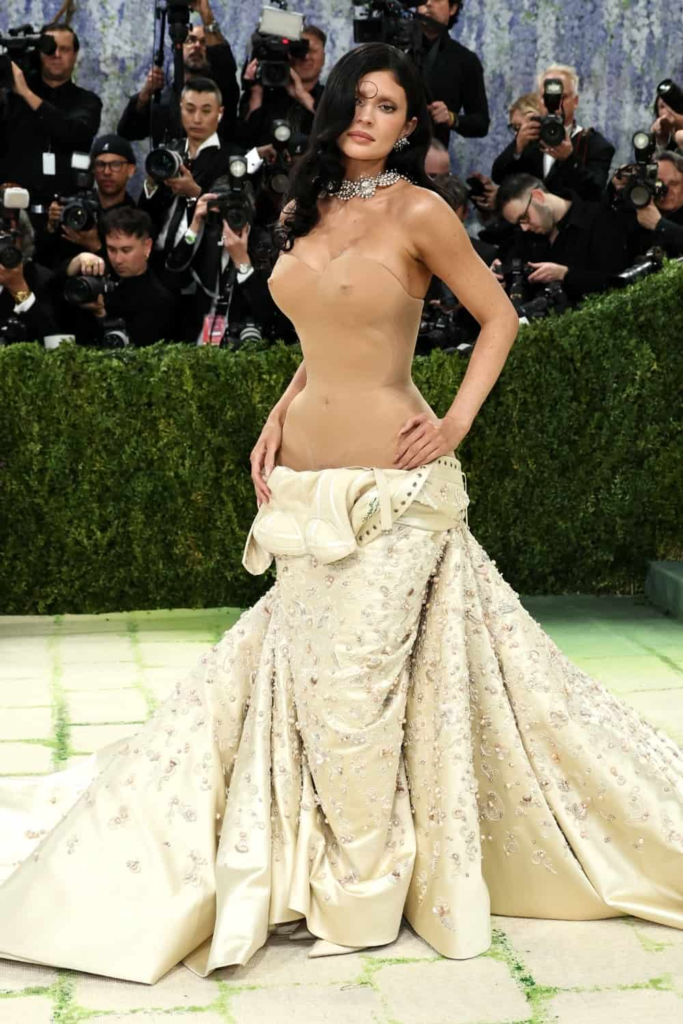
At Met Gala 2026, Kylie Jenner leaned fully into classical beauty. Inspired by the Venus de Milo, the ancient Greek sculpture attributed to Alexandros of Antioch, her look transformed one of history’s most recognizable symbols of femininity into modern couture.
The reference immediately stood out because of its sculptural quality. Draped in soft ivory fabric with carefully constructed folds cascading across the body, Jenner appeared less like someone attending the Met Gala and more like a marble statue brought suddenly to life.
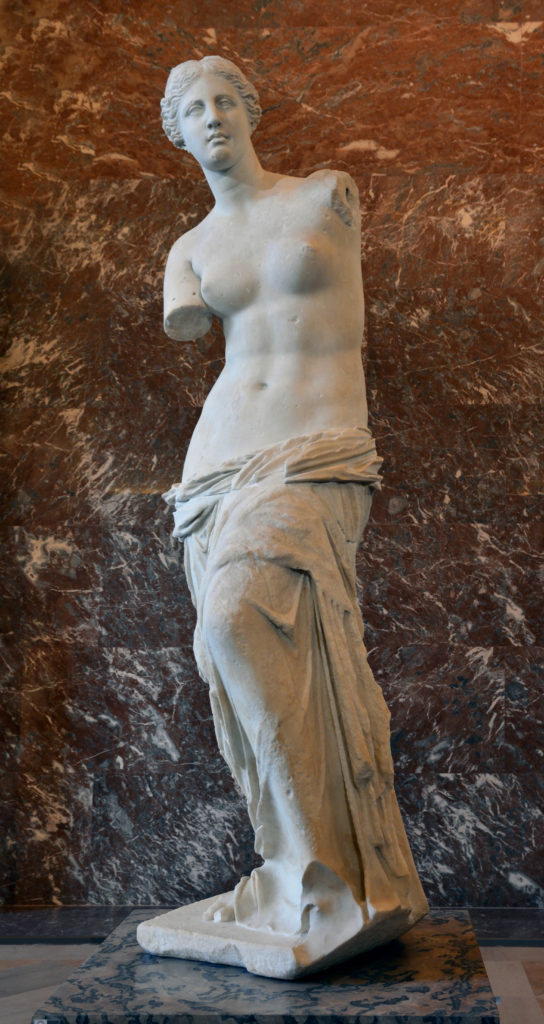
Created sometime between 150 and 125 BCE, the Venus de Milo remains one of the most celebrated sculptures of the ancient world. Believed to represent Aphrodite, the Greek goddess of love and beauty, the statue became iconic not only for its elegance, but for its mystery. The missing arms, softened marble surface, and idealized proportions transformed the sculpture into a timeless image of classical femininity.
That same balance between softness and structure shaped Jenner’s interpretation on the Met carpet. The gown wrapped around the body like carved stone drapery, with asymmetrical folds and sculpted fabric mimicking the movement of ancient Greek sculpture. Metallic accents added a contemporary edge, while the minimal color palette allowed the silhouette itself to remain the focus.
What made the look particularly effective was its restraint. Rather than overwhelming the reference with excessive embellishment, Jenner allowed texture, form, and posture to carry the visual impact. Even the styling leaned into the simplicity associated with classical sculpture, pulled-back hair, luminous skin, and jewelry kept intentionally minimal.
There was also something fitting about choosing the Venus de Milo for a night dedicated to the relationship between fashion and art. The sculpture has influenced centuries of beauty standards, photography, design, and couture, making it one of the clearest examples of art history continuously shaping visual culture.
And on the Met steps, Kylie Jenner reminded everyone that classical art still knows how to dominate a modern room.
Amy Sherald as Miss Everything (Unsuppressed Deliverance) by Amy Sherald
Few moments at Met Gala 2026 felt as self-referential, or as quietly powerful, as Amy Sherald arriving inspired by her own artwork. Drawing from Miss Everything (Unsuppressed Deliverance), the artist transformed the carpet into an extension of her painted world, where portraiture, identity, and fashion have always existed together.
Rather than separating artist from artwork, Sherald blurred the distinction completely. The result felt intimate, intentional, and deeply personal.
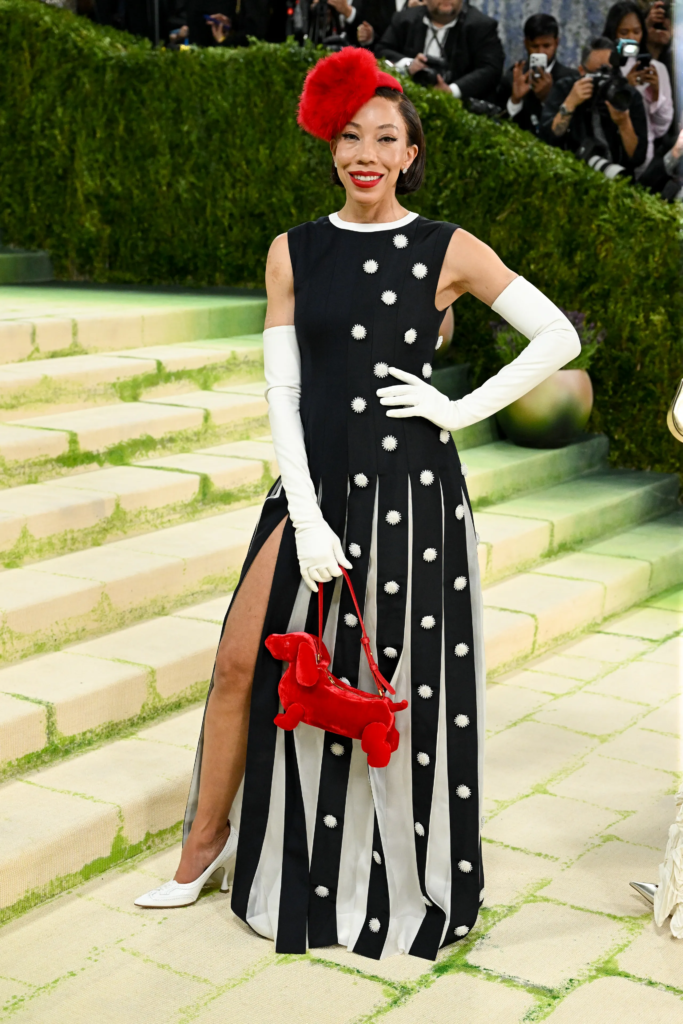
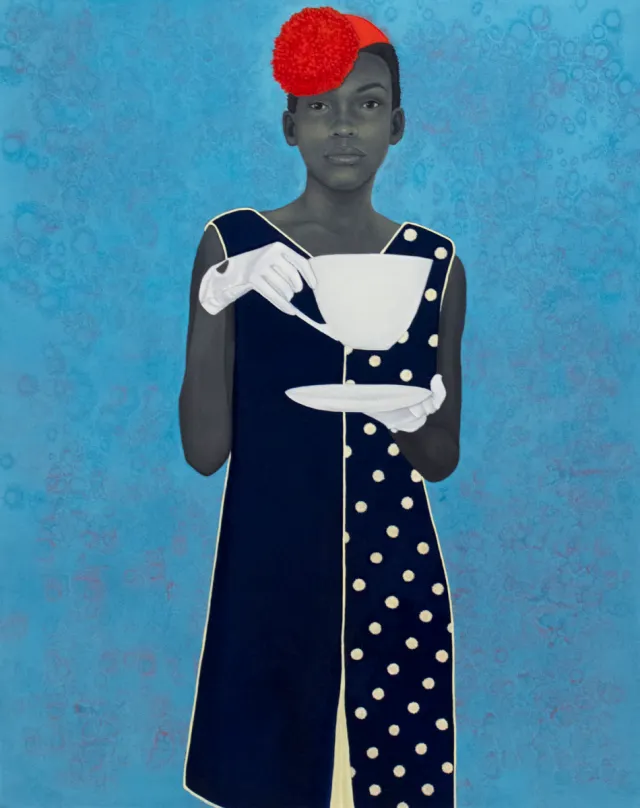
Known for her striking contemporary portraits, Sherald has built a visual language centered around stillness, elegance, and psychological presence. Miss Everything (Unsuppressed Deliverance) carries many of those same qualities. The painting presents its subject with calm confidence, balancing bold color with emotional restraint. Like much of Sherald’s work, it explores visibility and representation while maintaining an almost cinematic simplicity.
That atmosphere carried directly into her Met Gala look. Wearing a sharply tailored ensemble layered with dramatic structure and monochromatic detailing, Sherald appeared almost like one of her own painted figures stepping off the canvas. The clean lines, sculptural silhouette, and deliberate styling mirrored the controlled composition that defines her portraiture.
What made the appearance especially compelling was its refusal to over-explain itself. Unlike many art-inspired looks that relied on obvious symbolism, Sherald’s interpretation trusted subtlety. The reference existed in posture, color, silhouette, and mood rather than direct replication.
There was also something fitting about an artist participating in a night so heavily focused on the relationship between fashion and fine art. Sherald’s work has long examined how clothing shapes identity and perception, making her presence at this year’s Met Gala feel particularly meaningful.
In many ways, the look captured the larger spirit of the evening itself: fashion not simply inspired by art, but existing as part of the same cultural conversation.
Karan Johar as the Painted Worlds of Raja Ravi Varma
While much of the Met Gala 2026 carpet looked toward European portraiture and classical sculpture, Karan Johar arrived carrying an entirely different visual history with him. His look paid tribute to the legendary Indian painter Raja Ravi Varma, whose work transformed Indian mythological and royal imagery into some of the most recognizable paintings in South Asian art history.
Rather than referencing a single artwork, Johar’s ensemble drew from an entire visual universe, weaving together details inspired by Kadambari, Hamsa Damayanti, Krishna Shishtai, Urvashi, Hamsa Damayanti Samvad, Arjuna and Subhadra, There Comes Papa, and Woman Holding a Fruit. The result felt less like a costume and more like walking through a Ravi Varma gallery brought into motion.
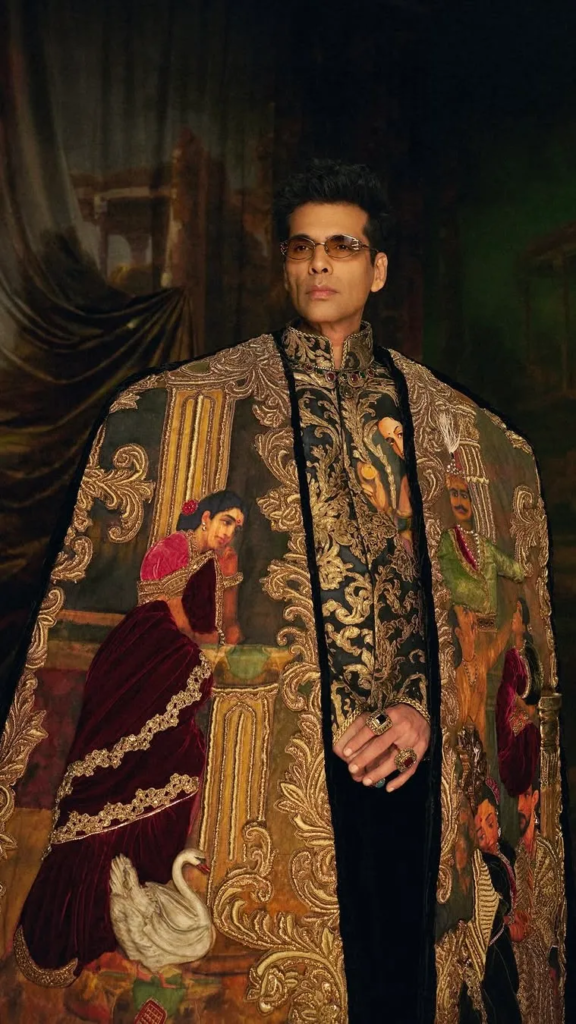
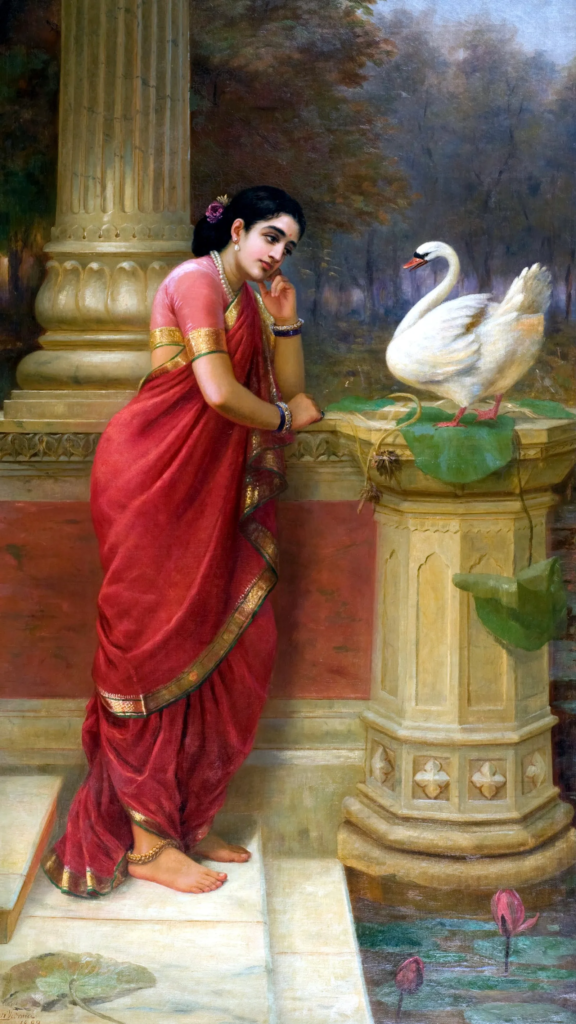
Raja Ravi Varma remains one of the most influential figures in Indian art history, celebrated for combining European academic realism with Indian mythology, literature, and portrait traditions. His paintings gave gods, queens, heroines, and mythological figures a human softness that made them emotionally accessible while still deeply grand. Rich textiles, ornate jewelry, expressive gestures, and theatrical composition became central to his visual language.
That same opulence shaped Johar’s Met Gala appearance. The embroidered fabrics, jewel-toned layers, regal tailoring, and intricate detailing echoed the richness associated with Ravi Varma’s canvases. Gold embellishments and draped silhouettes recalled the painter’s treatment of royal attire, while the overall styling carried the same cinematic grandeur found throughout his mythological scenes.
What made the tribute especially compelling was its scale. Instead of reducing Indian art history to a single recognizable image, Johar embraced Ravi Varma’s larger artistic legacy, one that shaped generations of visual culture across India, from calendar art and cinema to fashion and storytelling itself.
And in a year where fashion repeatedly blurred into art, Karan Johar delivered one of the evening’s most culturally expansive interpretations, proving that art history at the Met Gala did not belong to Europe alone.
Gracie Abrams as Gustav Klimt’s Portrait of Adele Bloch-Bauer I
Gracie Abrams approached the Met Gala 2026 carpet with a kind of quiet precision that immediately stood apart from the evening’s louder interpretations of “Fashion is Art.” Inspired by Gustav Klimt’s Portrait of Adele Bloch-Bauer I, her look captured the hypnotic richness and intimacy that made the painting one of the most iconic portraits of the twentieth century.
Instead of treating the artwork as a costume reference, Abrams translated its atmosphere into couture. The result felt elegant, luminous, and deeply aware of the painting’s emotional texture.
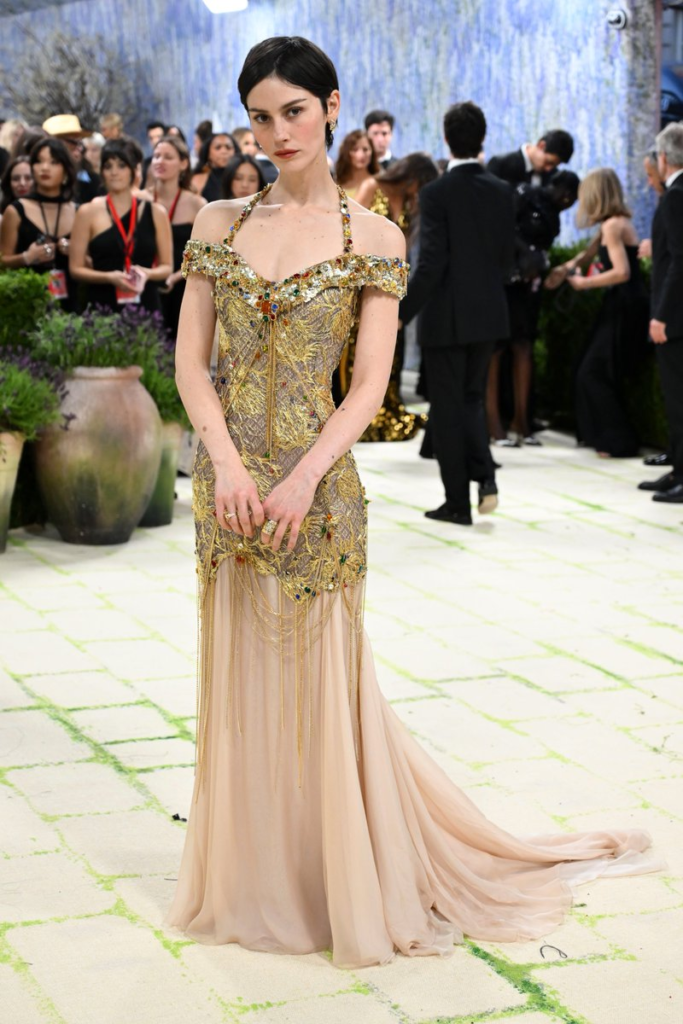
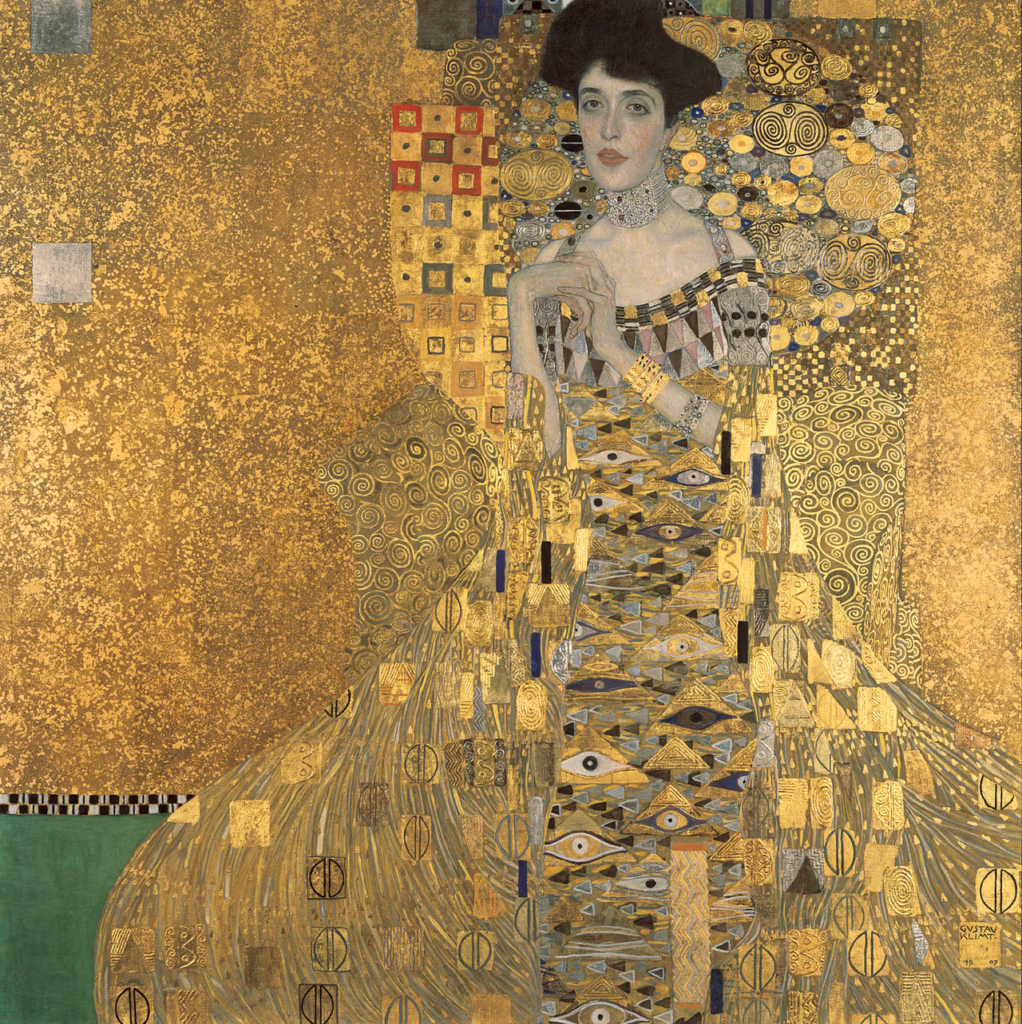
Painted between 1903 and 1907, Portrait of Adele Bloch-Bauer I remains one of the defining works of Klimt’s celebrated “Golden Phase.” Covered in gold leaf, intricate geometric patterns, and Byzantine-inspired ornamentation, the portrait blurs the line between painting, decoration, and symbolism. Adele herself appears almost suspended within the surface, simultaneously human and mythic.
That same illusion appeared on the Met steps. Abrams wore a shimmering gold gown layered with jewel-toned embellishments and reflective textures that mirrored the painting’s mosaic-like detailing. Under the flashes of cameras, the fabric moved almost like liquid metal, recreating the luminous quality that defines Klimt’s original work. The silhouette itself remained restrained, allowing texture and light to become the focus rather than dramatic structure.
What made the look especially compelling was its subtlety. It did not rely on theatrical interpretation or overt symbolism. Instead, it trusted viewers to recognize the visual language of Klimt’s world, the gold, the ornamentation, the softness beneath the surface.
In many ways, the appearance reflected the larger success of Met Gala 2026 itself. The strongest looks of the evening were not simply referencing famous artworks; they were understanding how those artworks felt.
And Gracie Abrams understood Klimt perfectly.
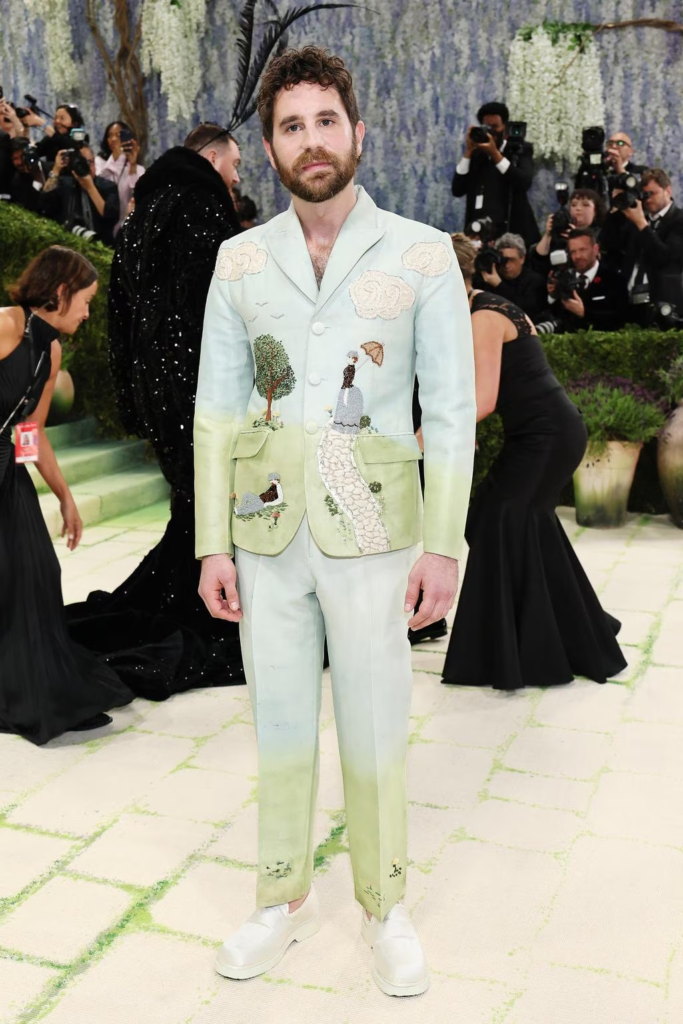
Ben Platt as Georges Seurat’s A Sunday on La Grande Jatte
Among the sweeping gowns and dramatic silhouettes at Met Gala 2026, Ben Platt’s look stood out for a completely different reason: charm. Inspired by Georges Seurat’s A Sunday on La Grande Jatte, the actor arrived in a pastel green embroidered suit that transformed one of art history’s most recognizable paintings into something playful, tailored, and unexpectedly modern.
The look carried the same quiet whimsy that defines Seurat’s masterpiece. At first glance, it appeared elegant and understated. But the closer you looked, the more details began to emerge.
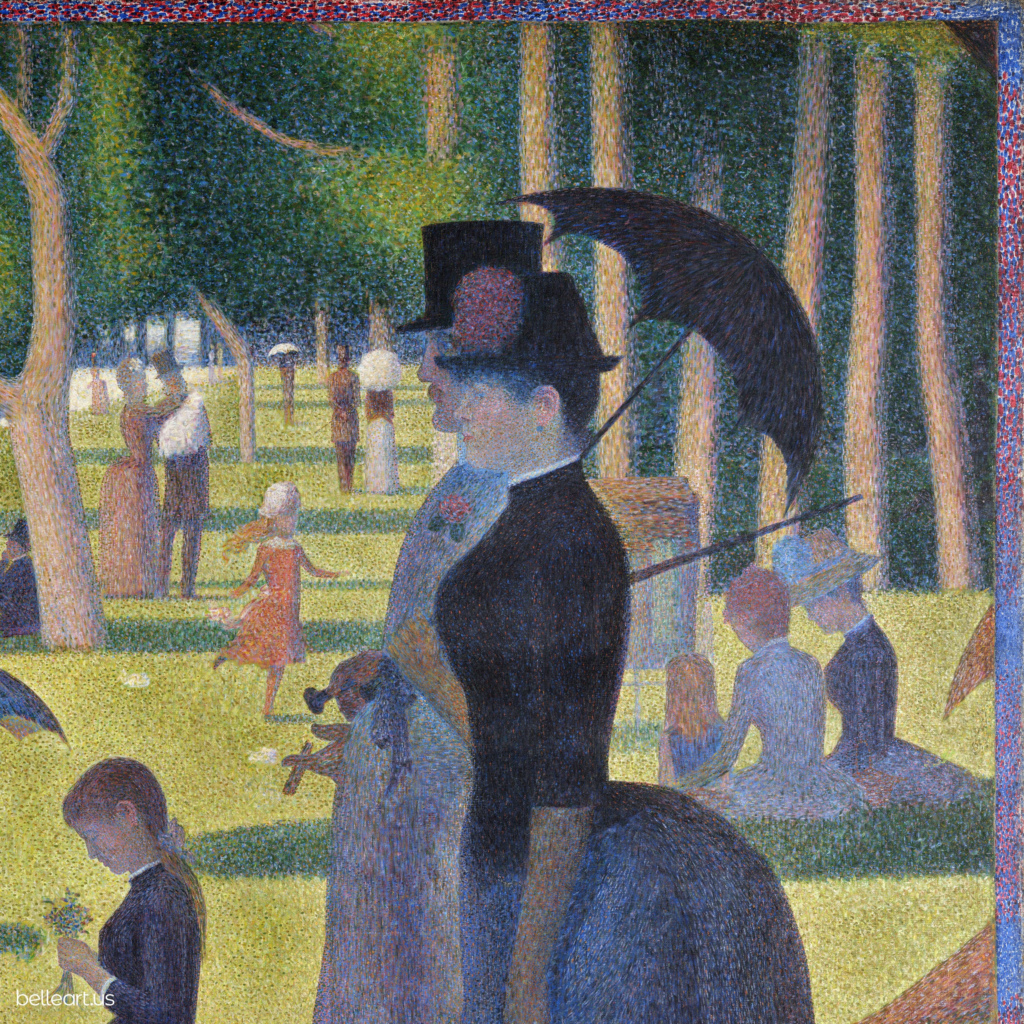
Painted between 1884 and 1886, A Sunday on La Grande Jatte became one of the defining works of Post-Impressionism and the most famous example of pointillism, Seurat’s revolutionary technique of building images through countless tiny dots of color. From a distance, the painting feels calm and harmonious. Up close, it dissolves into fragments, revealing the extraordinary precision behind its construction.
That same layered craftsmanship shaped Platt’s interpretation. Tiny embroidered figures scattered across the suit echoed the miniature people that populate Seurat’s riverside scene, while soft shades of mint, cream, pale blue, and yellow reflected the painting’s dreamy palette. The tailoring remained clean and polished, preventing the reference from slipping into costume territory.
What made the look especially memorable was its intelligence. Rather than directly recreating the artwork, Platt translated its visual rhythm into fashion. The embroidery mimicked the density and repetition of pointillism, allowing the look to reveal itself gradually the longer you observed it.
There was also a lightness to the entire appearance that felt refreshing on a carpet often dominated by seriousness and spectacle. The look understood that art can be playful too.
And much like Seurat’s painting itself, Ben Platt’s Met Gala appearance rewarded attention, detail, and patience.
Madonna as Leonora Carrington’s The Temptation of St. Anthony
Madonna has never approached fashion quietly, and at Met Gala 2026, she once again blurred the line between performance, symbolism, and spectacle. Inspired by Leonora Carrington’s The Temptation of St. Anthony, her look embraced surrealism in a way that felt theatrical, unsettling, and completely in conversation with Carrington’s strange dreamlike universe.
While many guests referenced portraiture or classical painting, Madonna stepped into something far more psychological. The result felt less like a red carpet appearance and more like a scene pulled directly from a surrealist canvas.

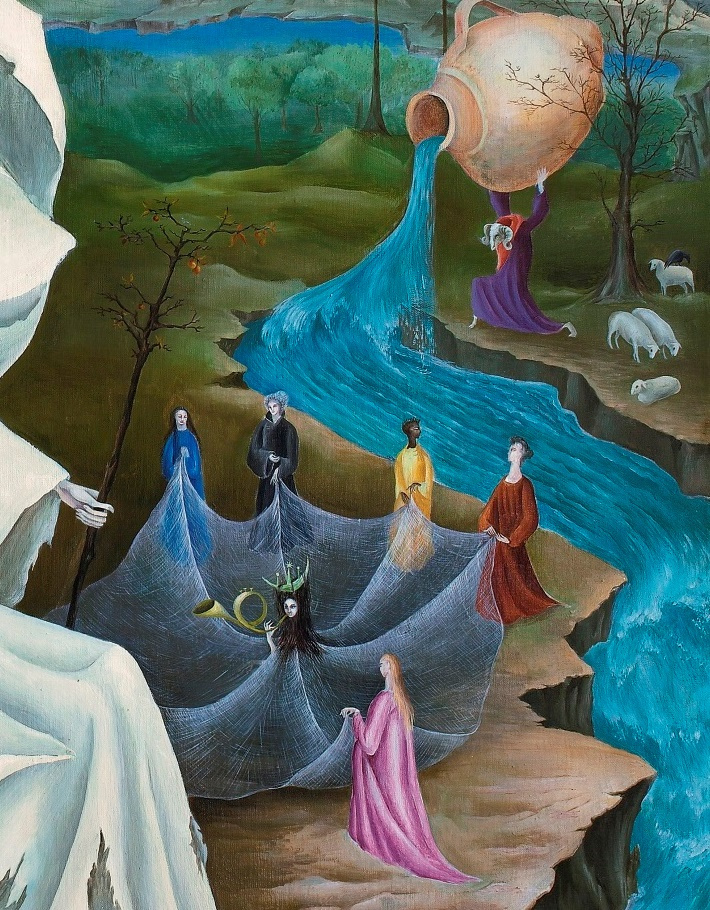
Painted in 1947, The Temptation of St. Anthony reflects Carrington’s fascination with mysticism, transformation, and the subconscious. Like much of her work, the painting resists straightforward interpretation. Human figures merge with fantastical creatures, religious symbolism dissolves into surreal imagery, and the boundary between dream and reality becomes impossible to separate. Carrington’s art often explored feminine power through mythology and psychological symbolism rather than traditional beauty.
That tension carried directly into Madonna’s interpretation. The dramatic black ensemble, layered textures, and sculptural accessories created a silhouette that felt almost ritualistic. Veiling, metallic detailing, and exaggerated proportions added to the surreal atmosphere, echoing the strange symbolic density that defines Carrington’s paintings. Even the styling leaned into mystery rather than glamour, allowing the look to feel intentionally disorienting.
What made the appearance especially compelling was how naturally Madonna fit into Carrington’s visual language. Both have spent decades building identities around reinvention, provocation, and symbolism. The reference therefore felt deeper than aesthetics alone, it felt personal.
In a year where many attendees transformed paintings into fashion, Madonna transformed surrealism itself into performance.
Rachel Zegler as Paul Delaroche’s The Execution of Lady Jane Grey
Drama has always existed at the center of fashion, but Rachel Zegler’s Met Gala 2026 appearance took that idea somewhere darker and far more cinematic. Inspired by Paul Delaroche’s The Execution of Lady Jane Grey, her look carried the same haunting beauty and emotional intensity that made the 19th-century painting unforgettable.
The moment she appeared on the carpet, the reference was unmistakable. The soft ivory gown, delicate drapery, and almost ethereal styling echoed the tragic stillness at the center of Delaroche’s masterpiece, transforming one of art history’s most devastating scenes into couture.
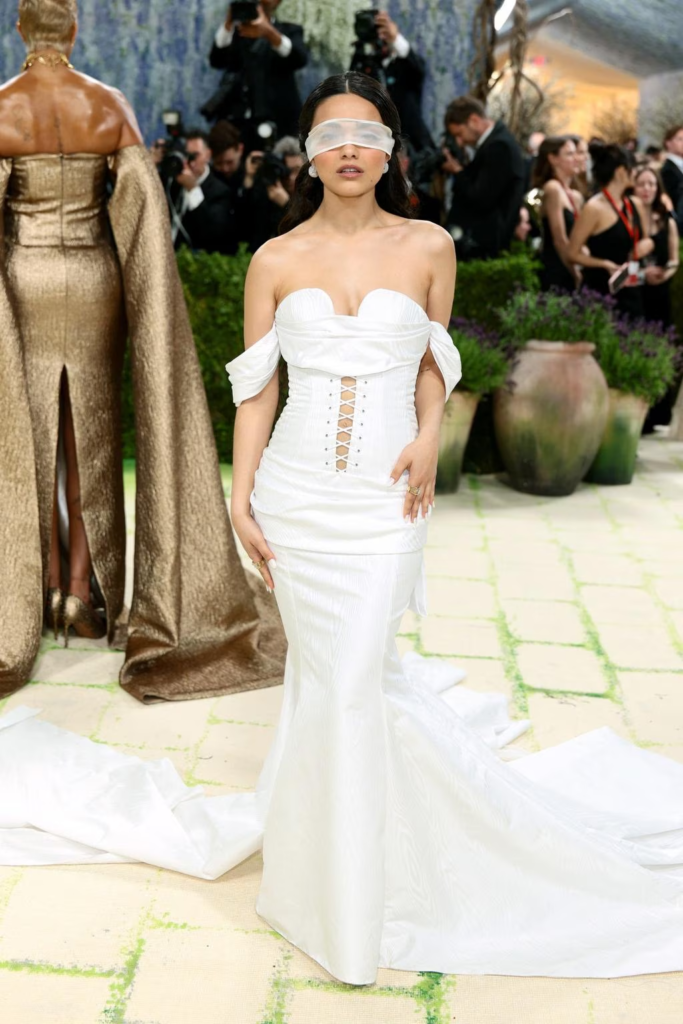
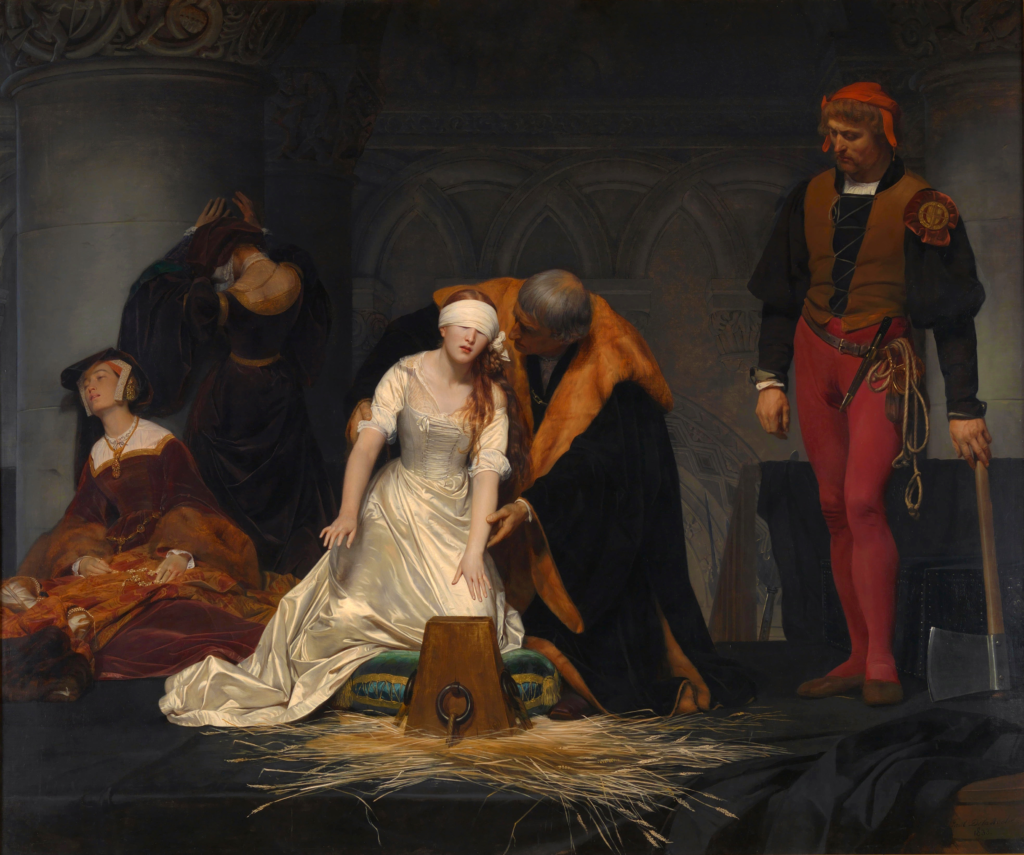
Painted in 1833, The Execution of Lady Jane Grey depicts the final moments before the young queen’s death after a brief and tragic reign over England. Delaroche presents the scene with theatrical emotion, Lady Jane dressed in luminous white, blindfolded, fragile against the surrounding darkness. The painting became iconic not only for its historical subject matter, but for the way innocence and tragedy collide within the composition.
That same emotional contrast shaped Zegler’s interpretation. The gown flowed with almost ghostly softness, while structured elements beneath the drapery added tension and formality. Long fabric panels resembled the folds and movement of classical oil painting, giving the look a sense of visual drama without overwhelming it. Even the muted styling contributed to the atmosphere, allowing the silhouette and emotion of the reference to remain central.
What made the look particularly striking was its understanding of restraint. Rather than turning the historical reference into costume, Zegler focused on mood, vulnerability, elegance, and quiet sorrow. The result felt less like historical reenactment and more like wearable storytelling.
In a night built around spectacle, Rachel Zegler proved that fashion can still be most powerful when it leans into emotion.
Angela Bassett as Laura Wheeler Waring’s Girl in Pink Dress
Angela Bassett’s Met Gala 2026 appearance carried the kind of elegance that did not need spectacle to command attention. Inspired by Laura Wheeler Waring’s Girl in Pink Dress, the look felt poised, graceful, and deeply connected to the quiet power of portraiture.
While many attendees leaned into exaggerated silhouettes and dramatic interpretations of art history, Bassett chose refinement. The result was one of the evening’s most sophisticated conversations between fashion and painting.
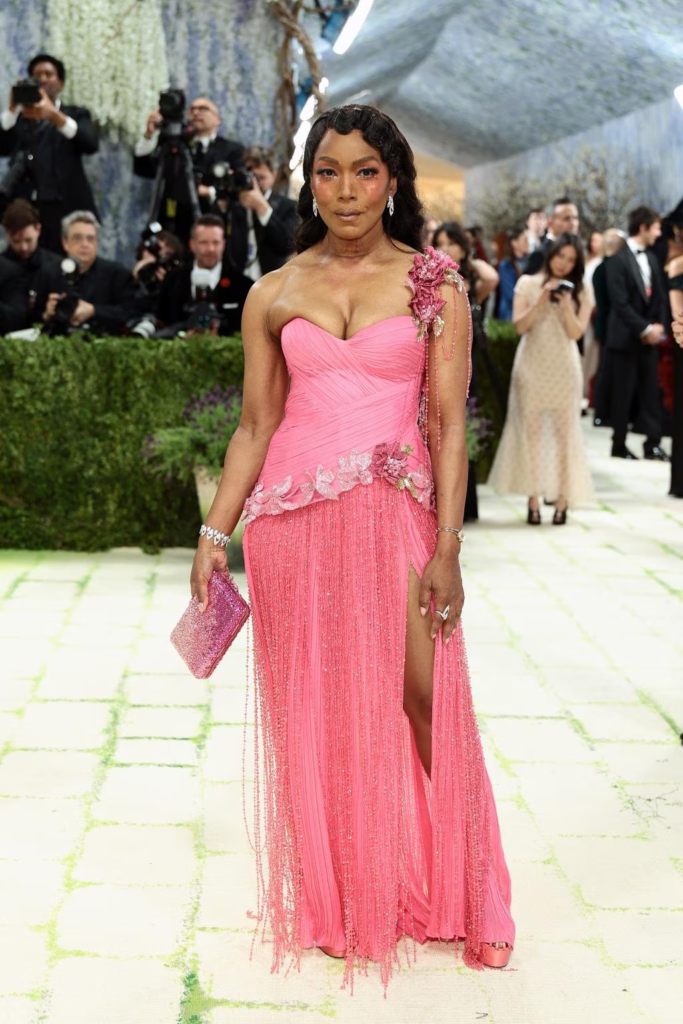
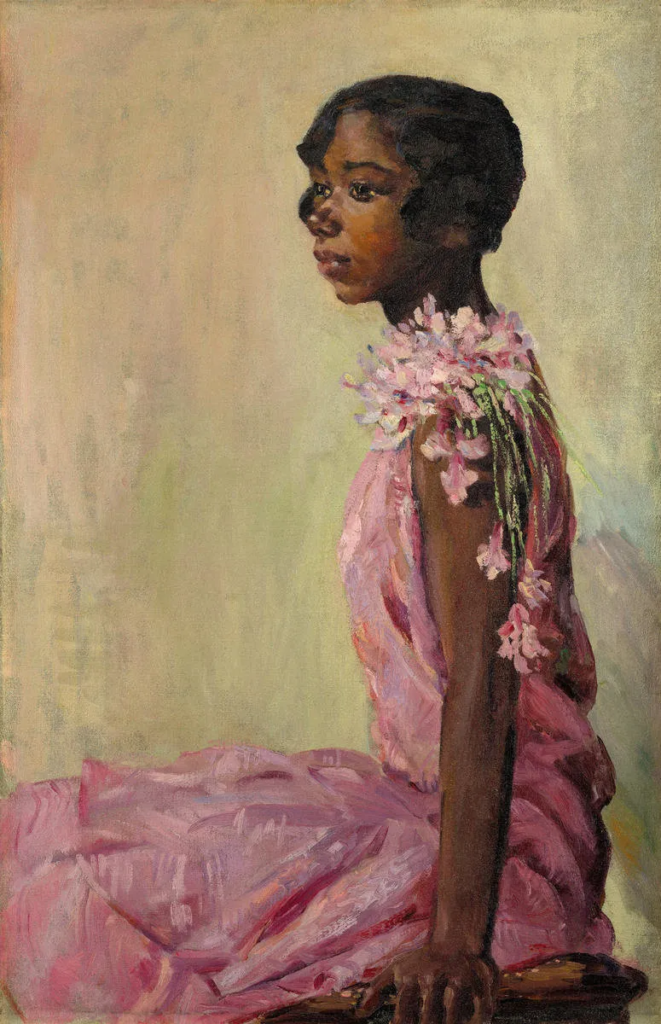
Painted in the early 20th century, Girl in Pink Dress reflects Laura Wheeler Waring’s remarkable ability to capture intimacy and dignity through portraiture. Known as one of the leading artists of the Harlem Renaissance, Waring painted Black subjects with softness, elegance, and emotional depth during a period when such representation was painfully rare in mainstream American art. Her portraits carried glamour, but never at the expense of humanity.
That emotional richness appeared beautifully in Bassett’s interpretation. The gown echoed the painting’s romantic blush tones while maintaining a regal structure that suited Bassett’s commanding presence. Flowing drapery softened the silhouette, while subtle embellishments caught the light without overwhelming the look. Every detail felt intentional, allowing the color itself to become the emotional center of the ensemble.
What made the reference particularly moving was the connection between the two women. Laura Wheeler Waring’s portraits often celebrated strength beneath elegance, and Bassett embodied that balance effortlessly. The look did not feel like a reenactment of a painting. It felt like a continuation of its spirit.
There was also something quietly important about seeing Waring’s work referenced on one of fashion’s most visible stages. Amid the evening’s many nods to European masterpieces, this look honored a Black woman artist whose contributions to art history deserve far greater visibility.
And in true Angela Bassett fashion, the look never tried too hard. It simply stood there, confident, composed, and unforgettable.
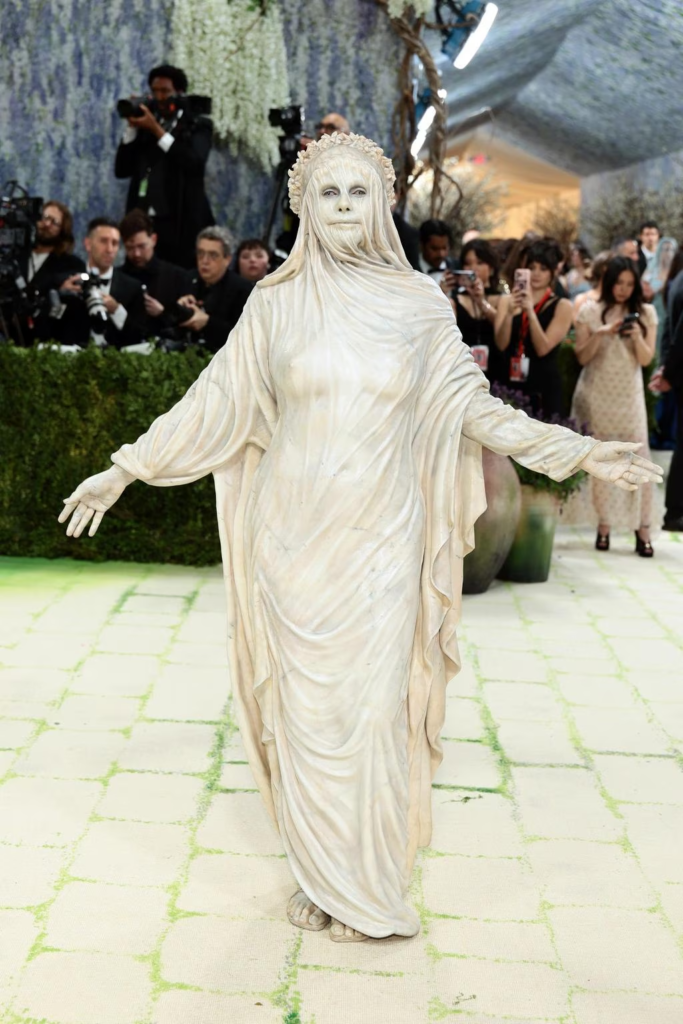
Heidi Klum as Raffaelle Monti’s Veiled Vestal
The most unforgettable looks at the Met Gala are often the ones that make people stop for a second and wonder, How is that even possible? Heidi Klum’s 2026 appearance created exactly that reaction. Inspired by Raffaelle Monti’s Veiled Vestal, her look transformed one of sculpture history’s greatest illusions into fashion.
Draped entirely in flowing ivory fabric, Klum appeared almost statue-like as she moved across the carpet. The look carried the same haunting stillness that made Monti’s sculpture so legendary nearly two centuries ago.
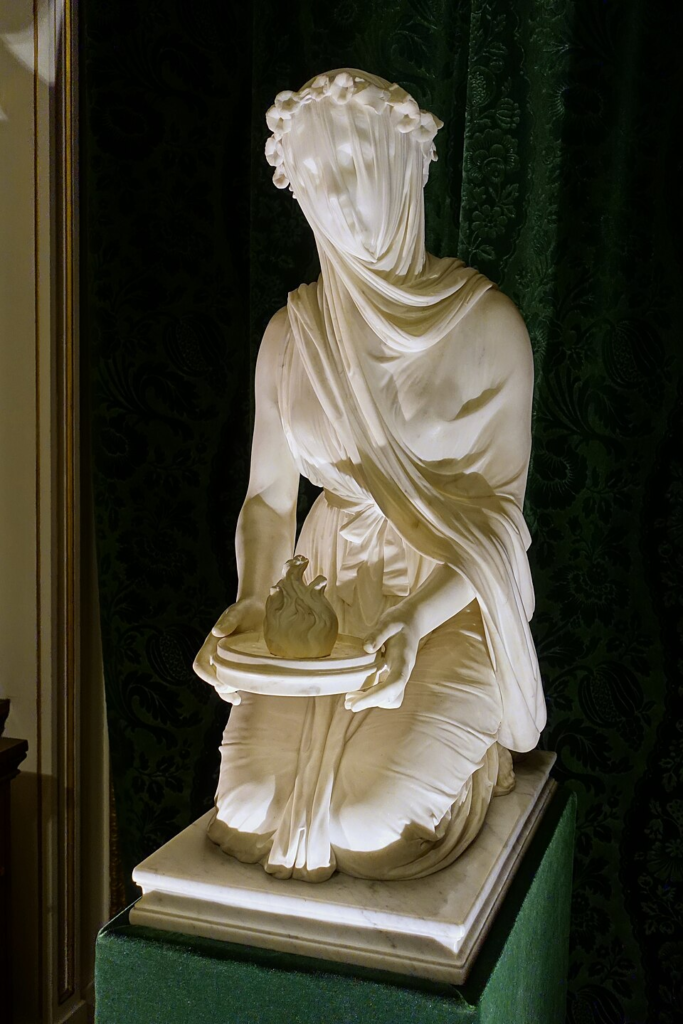
Created in the 1840s, Veiled Vestal is celebrated for Monti’s extraordinary ability to carve marble so delicately that it appears transparent. The sculpture depicts a veiled woman whose features remain visible beneath layers of stone fabric, creating an illusion that feels almost impossible even today. More than technical brilliance, the work became symbolic of mystery, concealment, and beauty suspended between visibility and secrecy.
That illusion translated remarkably well onto the Met steps. Klum’s gown wrapped around the body in soft sculptural folds that echoed carved marble drapery, while the headpiece and facial covering recreated the ghostly effect of Monti’s translucent veil. Under the lights, the fabric appeared almost liquid, blurring the line between movement and stillness.
What made the look especially striking was its commitment to restraint. There was no explosion of color or dramatic embellishment competing for attention. Instead, the power came from shape, texture, and atmosphere. Much like the sculpture itself, the look relied on quiet detail to create impact.
For a moment, Heidi Klum did not seem dressed for the Met Gala at all. She looked as though she had stepped directly out of a neoclassical gallery and onto the carpet.
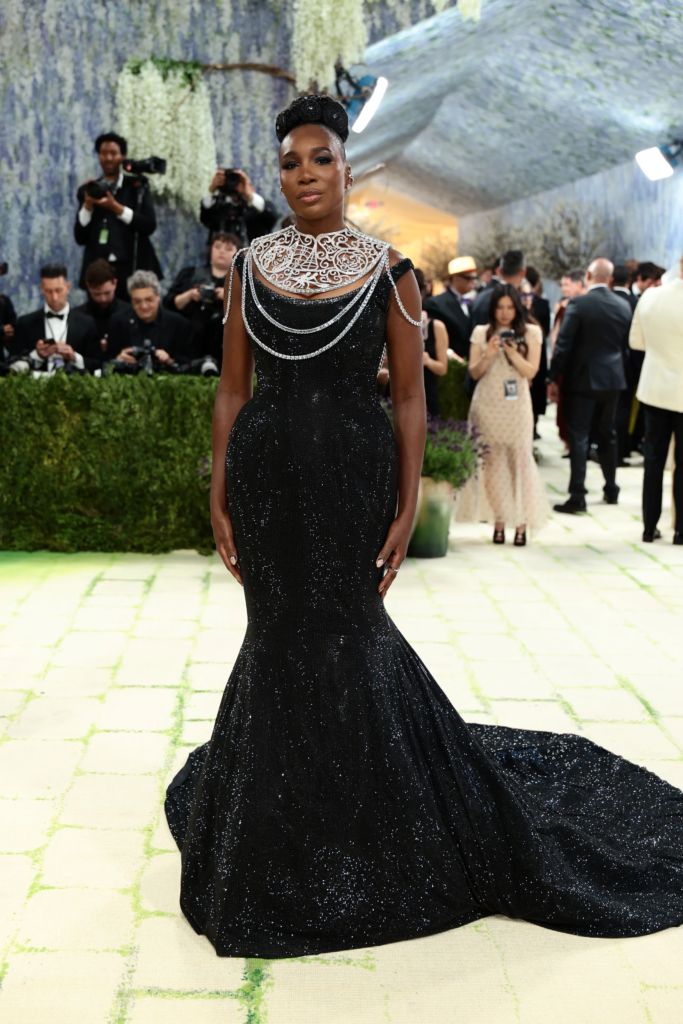
Venus Williams as Robert Pruitt’s Venus Williams, Double Portrait
Some Met Gala references celebrate famous masterpieces from centuries ago. Others remind us that contemporary art can be just as powerful, personal, and culturally defining. Venus Williams’ 2026 Met Gala appearance did exactly that, drawing inspiration from Robert Pruitt’s Venus Williams, Double Portrait, a work that already carries her image, presence, and legacy within it.
The result felt less like fashion borrowing from art and more like art returning to the person who inspired it in the first place.
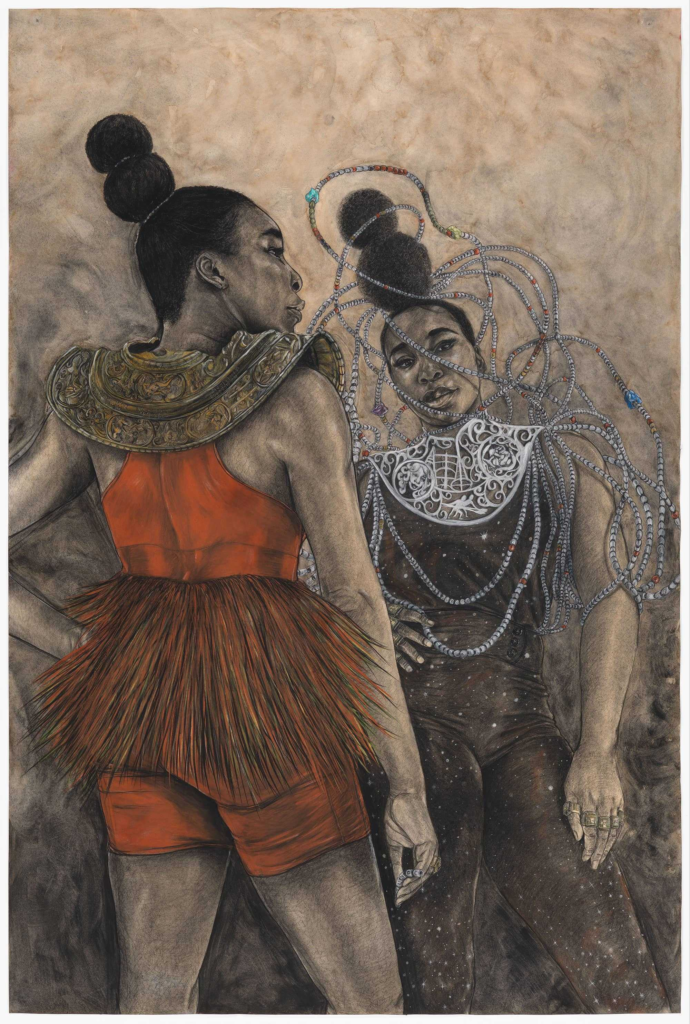
Robert Pruitt’s portrait of Venus Williams is both intimate and monumental. Known for blending realism with layered symbolism, Pruitt often creates works that explore identity, power, memory, and Black cultural history. In this portrait, Venus appears regal and grounded at once, surrounded by intricate details that elevate her beyond celebrity into something almost mythic.
That same feeling carried into her Met Gala look. Williams wore a sculptural black gown covered in subtle shimmer, paired with cascading pearl-like chains draped across the neckline and shoulders. The embellishments echoed the ornamental lines and layered textures found in Pruitt’s artwork, while the silhouette maintained the same poised authority that defines the portrait itself.
What made the look especially compelling was its emotional connection to the source material. Unlike references that reinterpret distant historical figures, this was Venus stepping into a visual language already created around her own image. It blurred the boundary between subject and inspiration in a way that felt deeply intentional.
There was also restraint in the styling. Nothing felt excessive. The elegance came from confidence rather than spectacle, allowing the relationship between the artwork and the look to speak quietly but clearly.
In a night built around transformation, Venus Williams reminded everyone that sometimes the strongest artistic statement comes from embodying yourself.
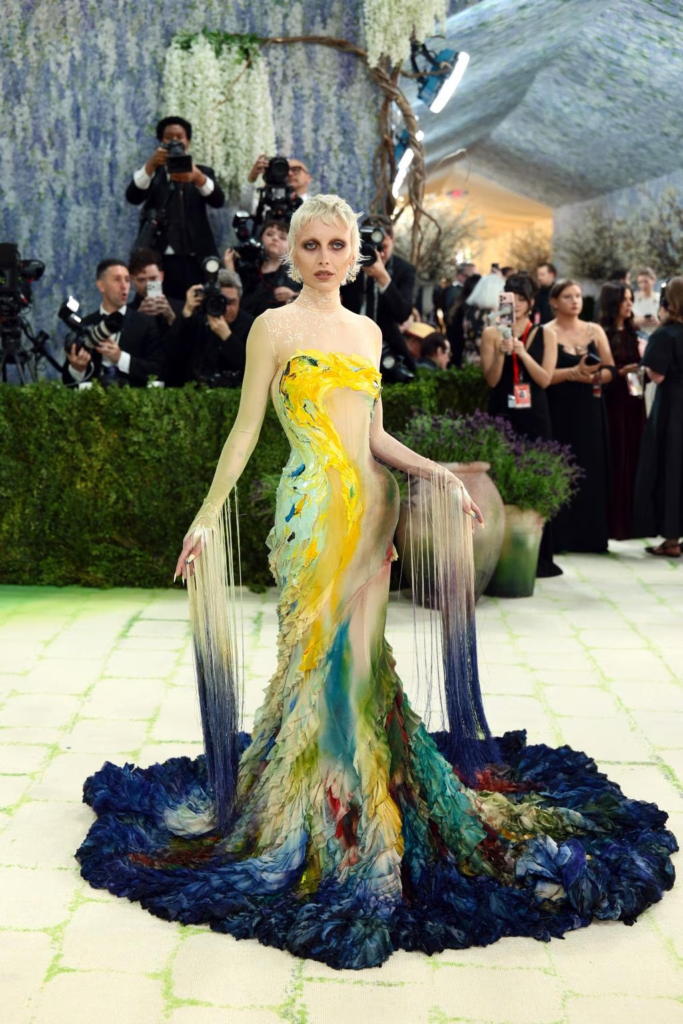
Emma Chamberlain as Vincent van Gogh’s Garden at Arles
There are some artworks that feel alive long after the paint has dried. Vincent van Gogh’s landscapes carry that kind of energy, restless, emotional, almost moving beneath the surface. Emma Chamberlain’s 2026 Met Gala look captured that same feeling, transforming one of Van Gogh’s vibrant gardens into couture.
Inspired by Garden at Arles, Chamberlain arrived wearing a sculptural gown layered in saturated yellows, deep blues, greens, and bursts of orange that seemed to ripple down the fabric like thick impressionist brushstrokes. The look did not simply reference Van Gogh’s palette. It recreated the movement and emotion inside the painting itself.
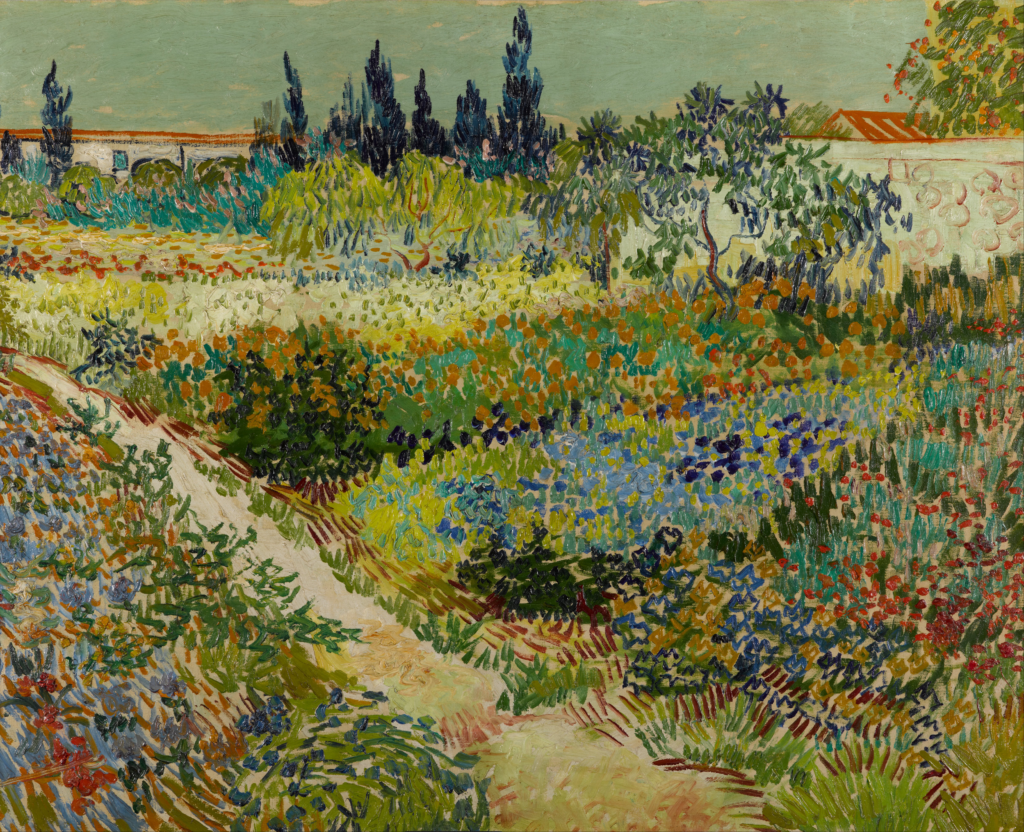
Painted during Van Gogh’s time in the south of France, Garden at Arles reflects the artist’s fascination with nature as something emotional rather than merely decorative. The landscape is filled with exaggerated color contrasts and textured strokes that make the scene feel intensely alive. Trees bend, flowers flicker, and the garden appears less like a physical place and more like a state of feeling.
That same intensity appeared on the Met steps. Chamberlain’s gown flowed like a painted canvas in motion, with layered textures resembling petals, leaves, and thick oil paint caught under light. Long fringed details cascading from the sleeves added even more movement, creating the impression that the dress itself was still unfolding as she walked.
What made the look memorable was its willingness to embrace imperfection and drama, two things Van Gogh’s work is deeply associated with. Instead of polished minimalism, the gown celebrated chaos, texture, and color. It felt expressive rather than controlled.
And perhaps that is what made it such a successful interpretation. Van Gogh’s paintings were never quiet. Neither was this look.
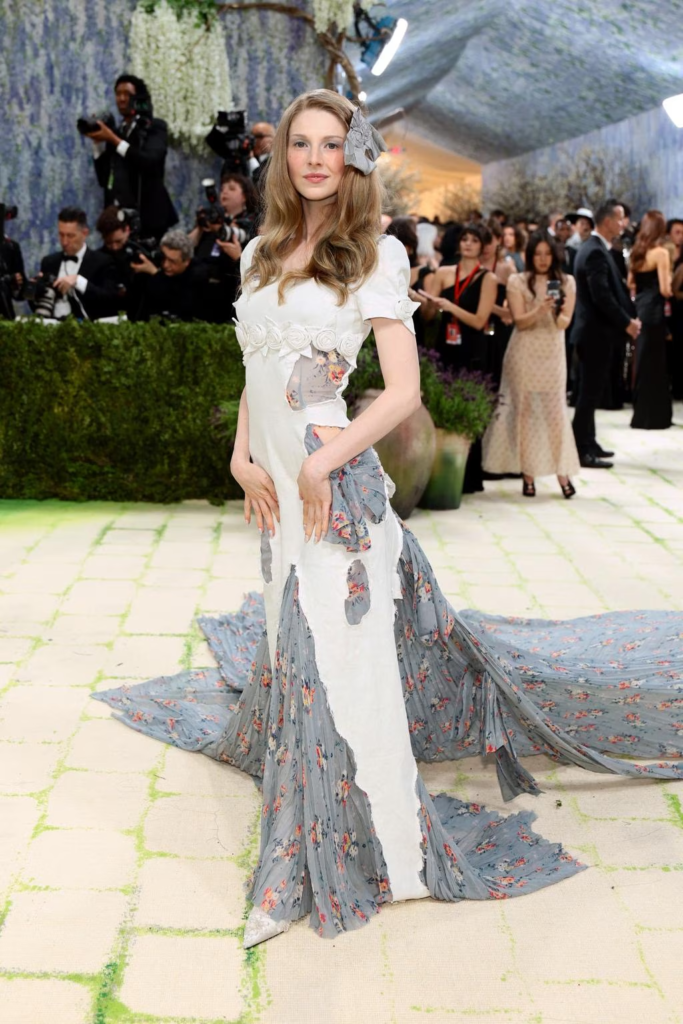
Hunter Schafer as Gustav Klimt’s Mäda Primavesi
Some red carpet looks aim for spectacle. Others feel almost painterly, as though they were designed to exist inside a frame long before they arrived on a staircase. Hunter Schafer’s 2026 Met Gala appearance belonged entirely to the second category.
Inspired by Gustav Klimt’s Mäda Primavesi, Schafer arrived in a gown that carried the same delicate dreaminess that made the original portrait unforgettable. While many attendees embraced theatrical interpretations of art history, her look felt softer and more intimate, less like a costume, more like a living portrait stepping quietly out of a painting.
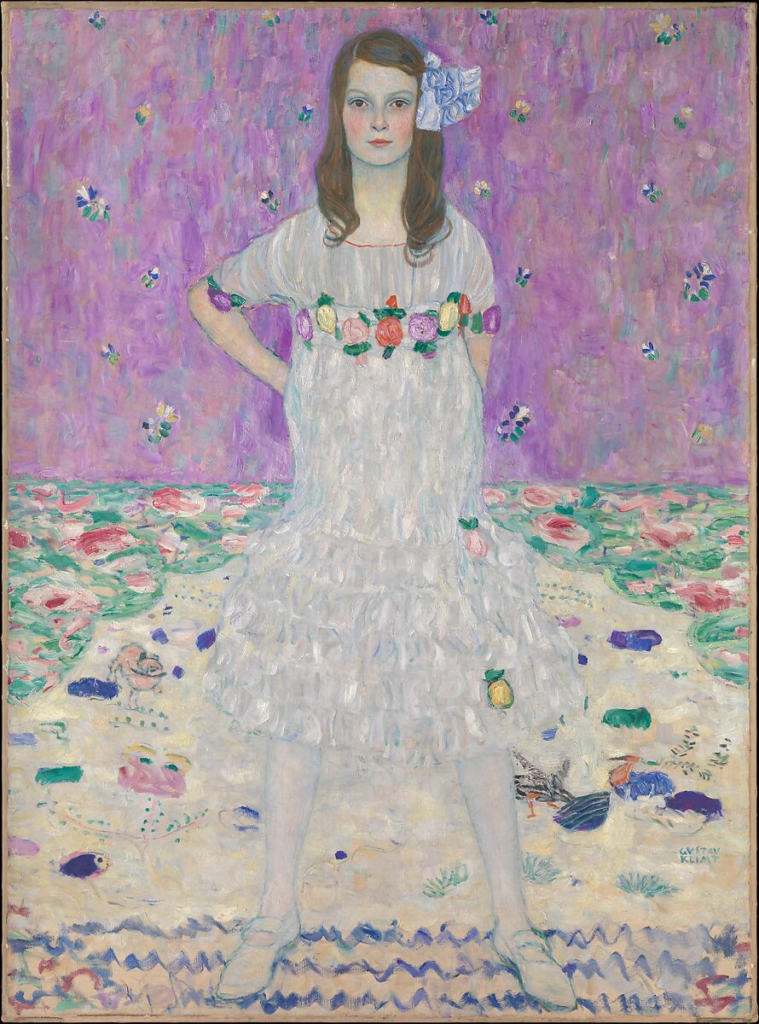
Painted in 1912, Mäda Primavesi is one of Klimt’s most luminous portraits. Unlike the heavy gold ornamentation of his earlier works, this painting feels airy and youthful. The young girl stands surrounded by pastel tones, floral details, and soft decorative textures that blur the line between innocence and elegance. Klimt painted childhood with unusual sophistication, allowing Mäda to appear playful yet strangely self-possessed.
That balance translated beautifully onto the Met Gala carpet. Schafer’s gown echoed the painting’s pale palette and romantic detailing, with flowing fabric panels and delicate floral embellishments that moved almost like brushstrokes. Even the silhouette carried a sense of lightness, avoiding rigid structure in favor of movement and softness.
What made the reference especially striking was how naturally it suited Schafer herself. Klimt’s portraits often captured people who felt ethereal yet emotionally distant, and Schafer brought that same quality to the look. She did not simply wear a reference to a painting. She seemed to inhabit its atmosphere.
In a night filled with dramatic interpretations, Hunter Schafer’s look proved that art history can whisper just as powerfully as it shouts.
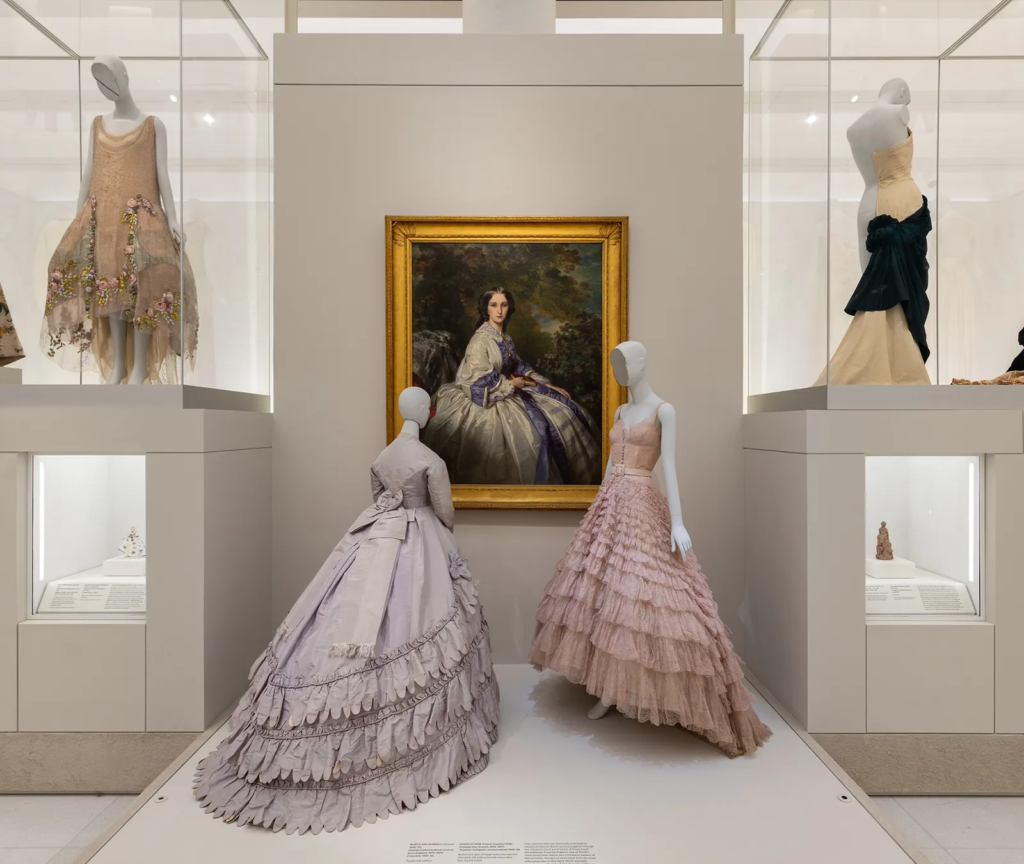
Met Gala 2026 reminded people that fashion and art have never truly existed separately. Long before the red carpet became a global spectacle, clothing already carried symbolism, storytelling, identity, status, fantasy, and performance, the same things that have always lived inside paintings and sculpture.
But this year felt unusually thoughtful. Instead of using art history as aesthetic decoration, many attendees approached their references with genuine understanding. They translated brushstrokes into embroidery, sculpture into silhouette, mythology into couture, and portraiture into presence. The result was a red carpet that felt less obsessed with virality and more interested in visual conversation.
What made the evening especially memorable was how it pushed audiences back toward the artworks themselves. Suddenly, viewers were not only discussing designers and celebrities, but revisiting Klimt, Van Gogh, Raja Ravi Varma, Laura Wheeler Waring, Leonora Carrington, and countless others whose works resurfaced through fashion. For one night, museum culture and pop culture occupied the same space.
And perhaps that is what made Met Gala 2026 feel different from previous years. The strongest looks did not simply imitate art. They reminded people why these artworks have endured for generations in the first place.
If fashion is often described as wearable art, this year’s Met Gala finally made the idea feel believable.
And now we want to know:
Which artwork-inspired Met Gala 2026 look was your favorite?
Loved the fashion-meets-art moments from the 2026 Met Gala? Explore more in our feature on Iconic Dresses in Art History:
https://artstoheartsproject.com/iconic-dresses-in-art-history/