
Marcel van Beek Uses Restrained Colour to Create Mysterious Images
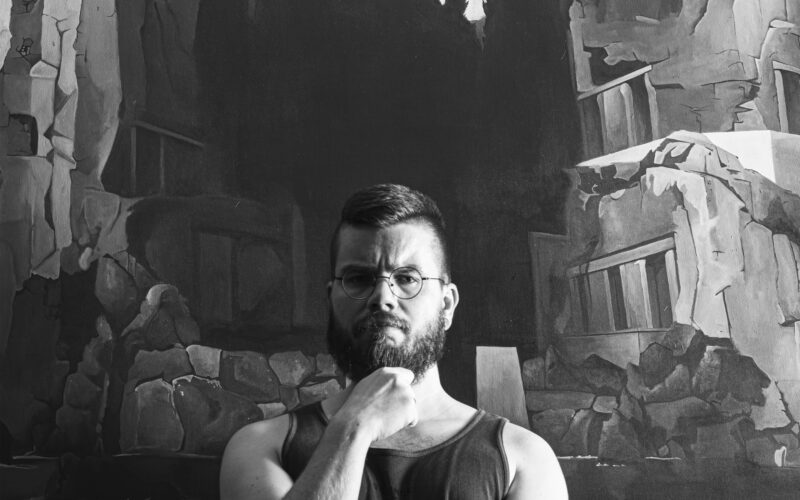
At Arts to Hearts Project, our 101 Art Book series has become one of the ways we celebrate the most exciting art being made around the world, gathering a hundred artists into a single, beautifully produced collector’s book, each given a space of their own.
The eleventh volume in that series, the Nature Edition, is devoted to the natural world and the countless ways artists see it, honour it, and reimagine it. Among the artists chosen for this edition is Marcel van Beek, and his work looks at nature in a way we had not quite seen before.
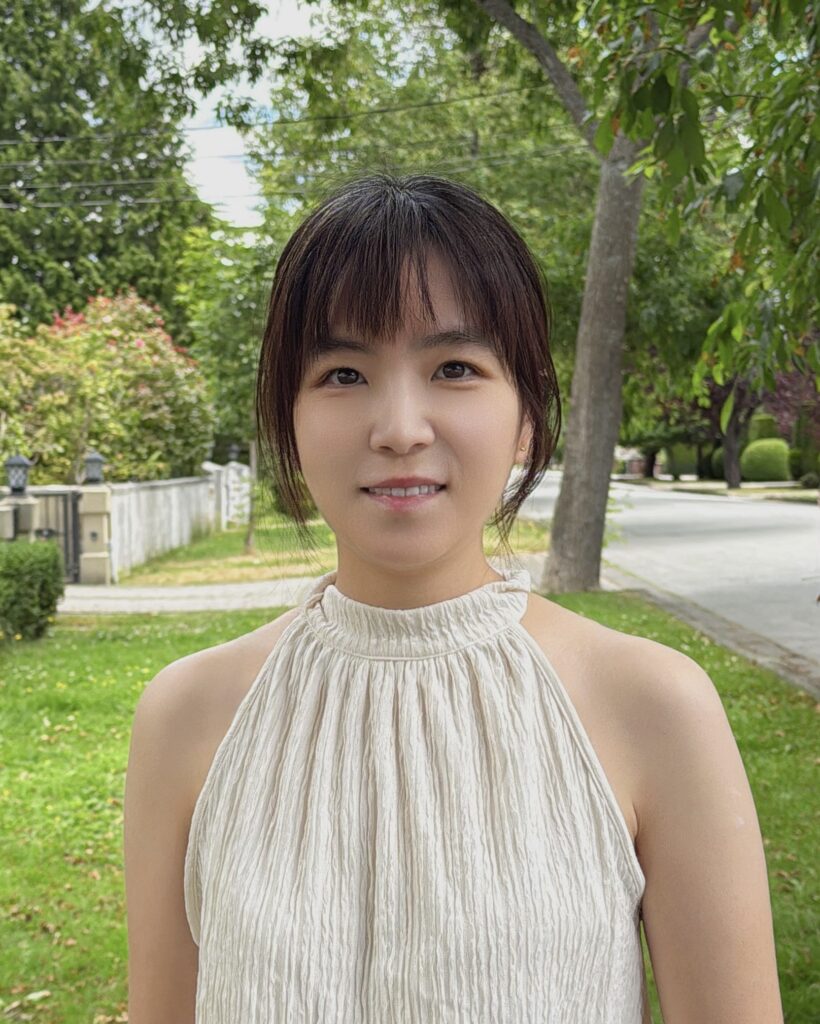
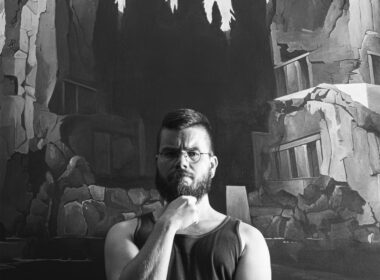
Marcel is a German visual artist and photographer based in Leipzig, and he is drawn not to grand, spectacular landscapes but to the small, overlooked corners of the world, a single leaf, a film of condensation, an empty pool, a curtain, a threshold.
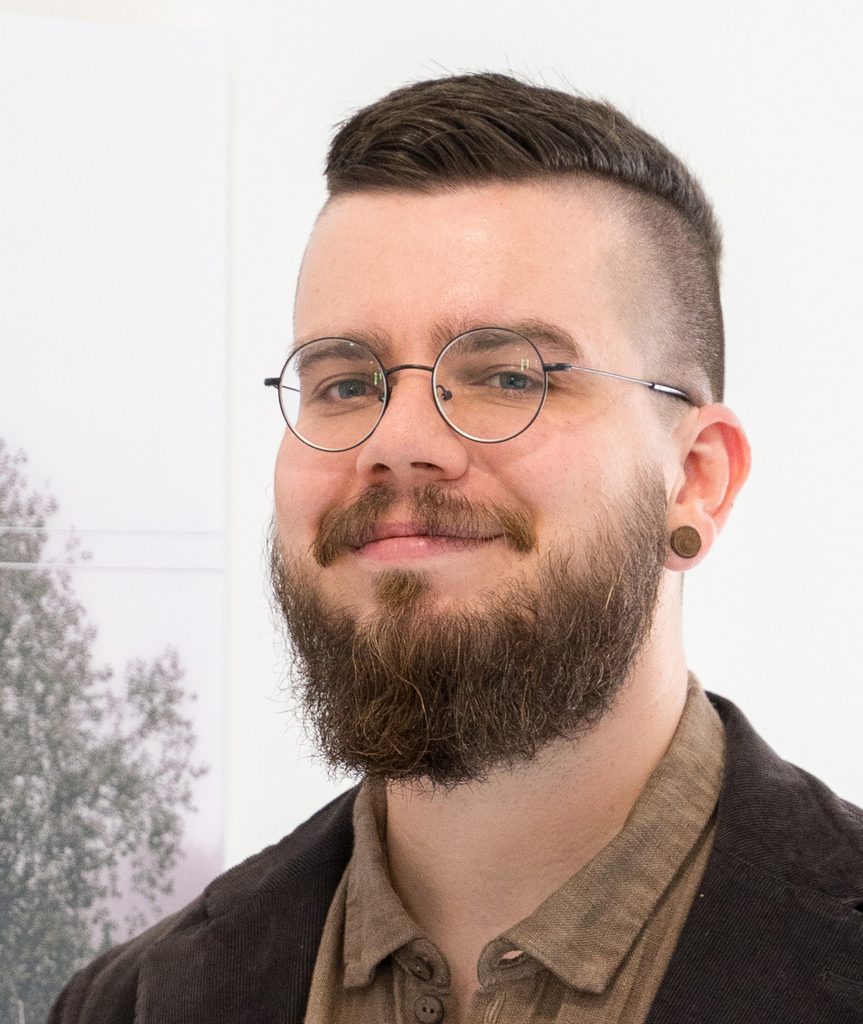
He trained first as a painter, and that background still shapes how he thinks about an image. Photography came later, as a way to move through the world and respond to what was already there. What fascinates him is the moment an ordinary thing becomes strange, when a tiny shift in light, scale, or framing makes something familiar feel like it belongs to another world entirely.
He describes his work as an attempt to interrupt the way we usually see. Most of the time we glance at a leaf or a wall, name it, and move on. Marcel’s photographs slow that down and hold us there, revealing the pressures, patterns, and traces we normally miss.
He is not inventing another world, he insists, only making visible one already hidden inside this one. And he does it honestly, working entirely in-camera, in a single exposure, with no digital trickery. The mystery in his pictures is not added afterwards. It was always there, waiting for someone to look long enough to find it.
His visual language draws on Romanticism and Symbolism, not as old styles to copy, but as ways of thinking. From Romanticism he takes the idea that nature is never just a backdrop, but a kind of mirror for human feeling, something vast and sometimes unsettling.
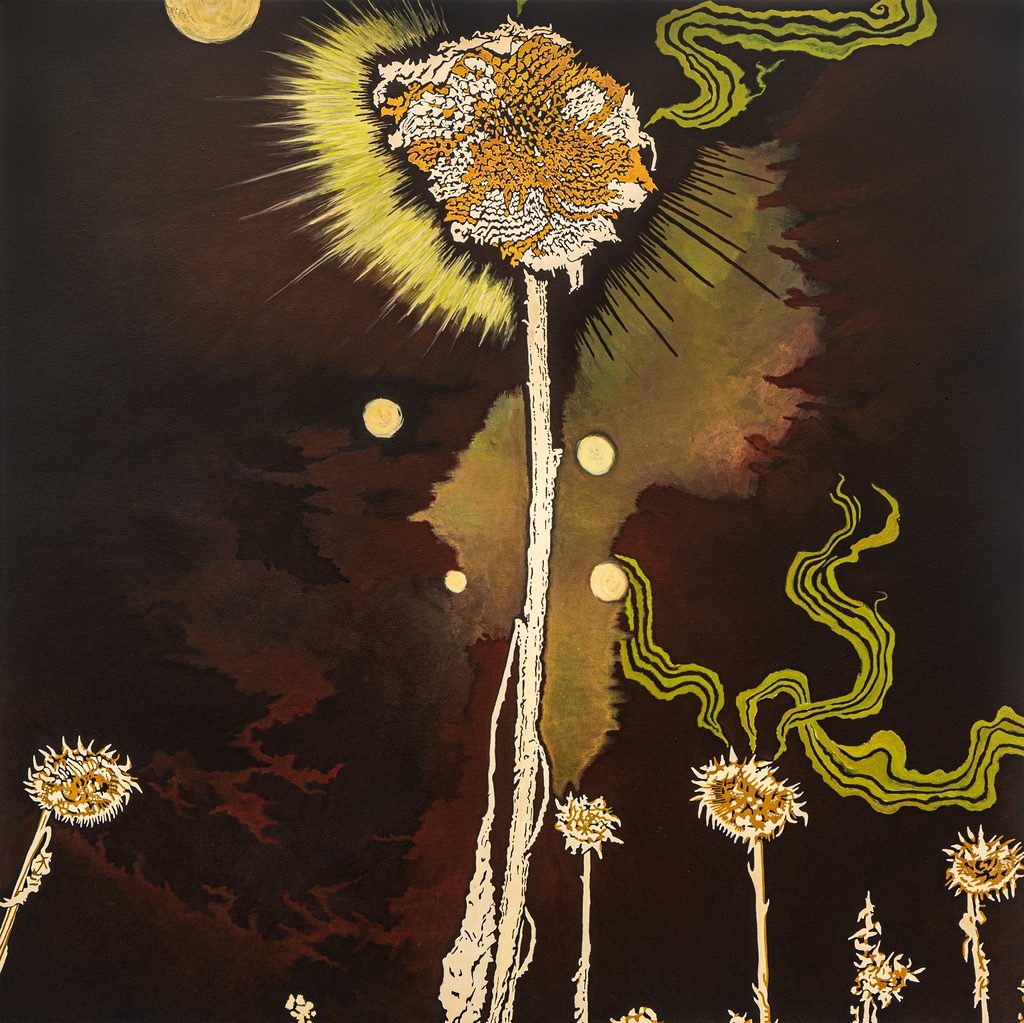
From Symbolism he takes the belief that an object can carry meaning without ever explaining itself. This lets him approach ecological questions without ever becoming preachy or literal. A tree, a body of water, or a scar left on the land by industry can stay completely real and specific, while also quietly standing for vulnerability, memory, or change.
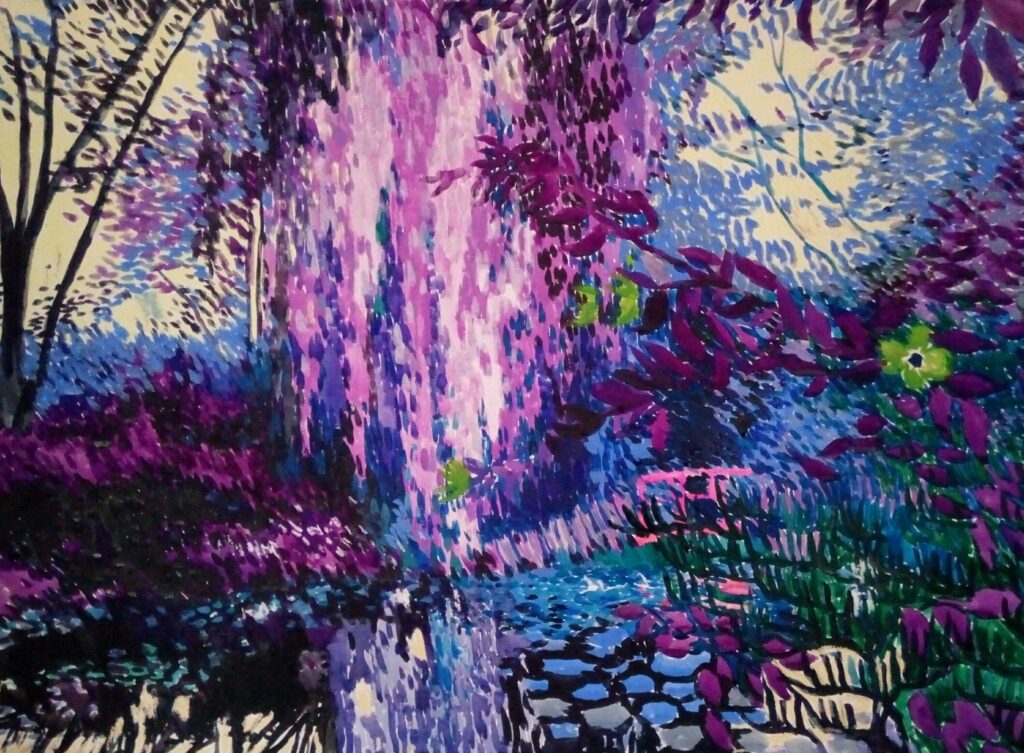
Marcel still moves between photography and painting, and he treats the two as partners rather than rivals. Photography, he says, asks him to find meaning in what already exists; painting lets him loosen that bond, work from memory and emotion, and build meaning up over time.
Both, in the end, are about the same thing: paying such close attention to the world that it starts to reveal more than we ever thought was there. Making art, he has learned, has taught him that seeing is never passive. We do not simply receive the world. We help create it, every time we truly look.
Now let’s hear from Marcel about finding mystery in the most ordinary things, why he works entirely in-camera, how a leaf can become a landscape, and what making art has taught him about the way we see.
Q1. Could you take us back to the beginning of your creative journey and share what first drew you toward visual art?
My creative journey began with visual art rather than photography.
I was first drawn to painting because images seemed able to hold atmosphere and emotion before I could fully articulate them in words. That eventually led to formal studies in painting, and the discipline still shapes the way I think about composition, surface and the internal logic of an image. Photography came later as an expansion rather than a replacement.
The studio can be a very solitary space, while the camera gave me a reason to move through the world and respond to what already existed outside me. I became increasingly fascinated by quiet, overlooked details – light on a surface, an empty pool, a curtain, a threshold – and by the possibility that they could carry far more presence than their everyday function suggested. That discovery gradually became the foundation of my photographic language.
Q2. You describe your visual language as influenced by Romanticism and Symbolism. What continues to attract you to these traditions?
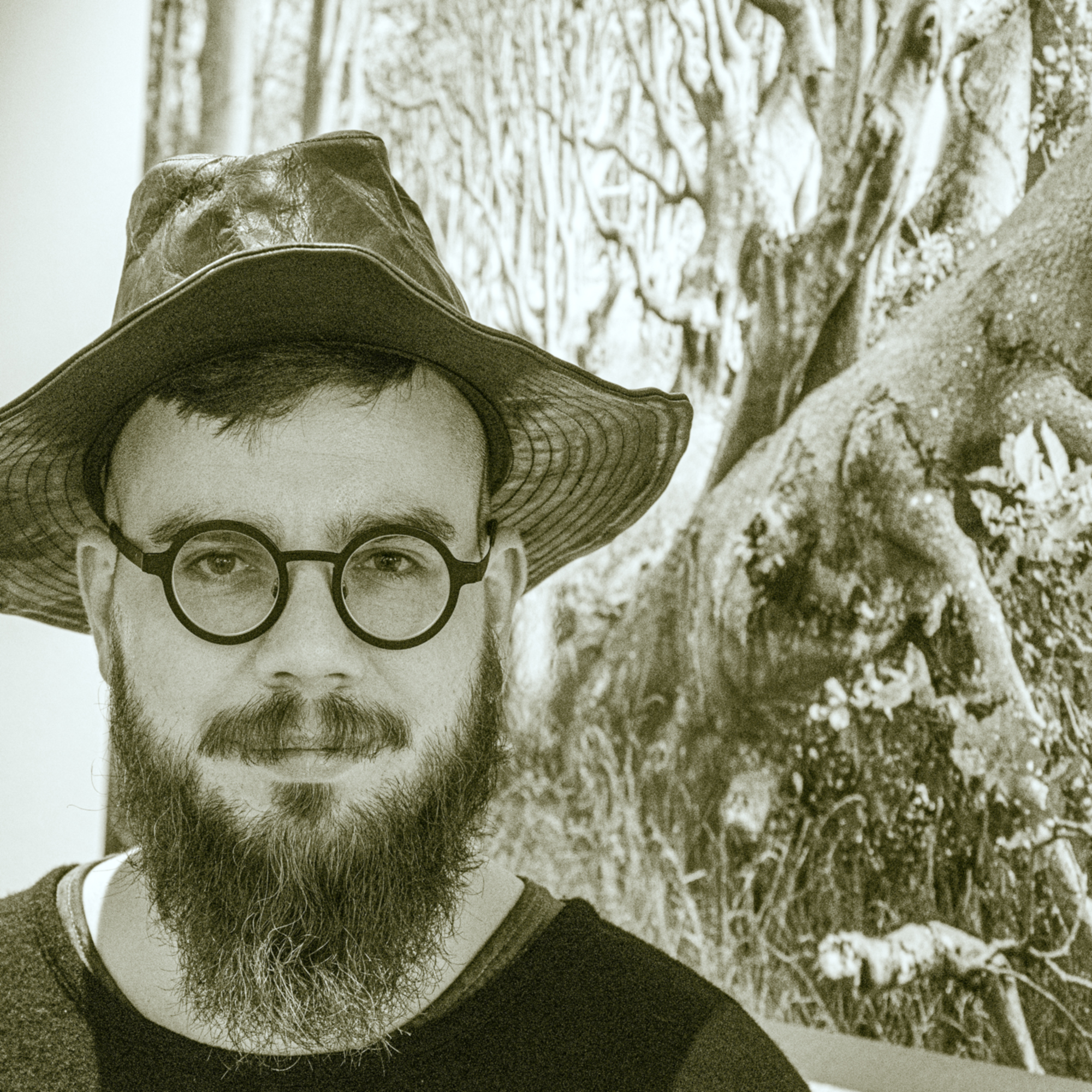
What continues to attract me is not a historical style but a way of thinking about images. Romanticism gives nature a presence beyond that of a backdrop: landscape can become a counterpart to human feeling and a space in which the self encounters something larger, elusive or unsettling. Symbolism adds the conviction that an object, gesture or form can carry meanings without having to explain them. I am drawn to that openness.
I want an image to be precise in its construction yet remain slightly unresolved, so that atmosphere, shadow and association continue working after the first reading.
In a contemporary context, these traditions also allow me to approach ecological questions without turning the photograph into illustration. A tree, a body of water or an industrial scar can remain materially specific while also becoming a sign of vulnerability, memory or transformation.
Q3. Your work often transforms familiar subjects into something mysterious or unfamiliar. When did this way of seeing become important to your practice?
I do not think there was one decisive moment. It developed gradually as I realised that I was less interested in spectacular subjects than in the point at which an ordinary thing becomes unstable. A curtain, a leaf, a reflection, an underpass or an empty interior can remain completely familiar, yet a small shift in light, scale or framing can make it feel as though it belongs to another register of experience.
Photography made me increasingly attentive to that threshold. I began to understand mystery not as something added through effects, but as something already present in the world when habitual recognition is interrupted.
Since then, I have tried to stop an image just before its meaning fully resolves. I want the viewer to recognise enough to enter the work, but not enough to close it down. That tension between familiarity and estrangement has become one of the central engines of my practice.
Q4. Your photography combines fine-art aesthetics with a conceptual approach. What do you want it to reveal beyond ordinary observation?
Photography interests me when it interrupts habitual seeing. Ordinary observation is efficient: we identify a leaf, a pool, a wall or a forest and move on. The camera can slow that process down and isolate relationships we usually overlook – pressures between forms, traces left by movement, shifts of scale, or the way human intervention remains inscribed in a landscape. I am not trying to invent another world so much as to make visible one already latent in this one.
Through framing, reduction, tonal control and the single in-camera exposure, I try to bring hidden structure and emotional charge to the surface.
Ideally, a photograph begins as something recognisable and then opens into a second reading: ecological, psychological, sometimes mythic. That movement from recognition to uncertainty is where the work becomes meaningful to me.
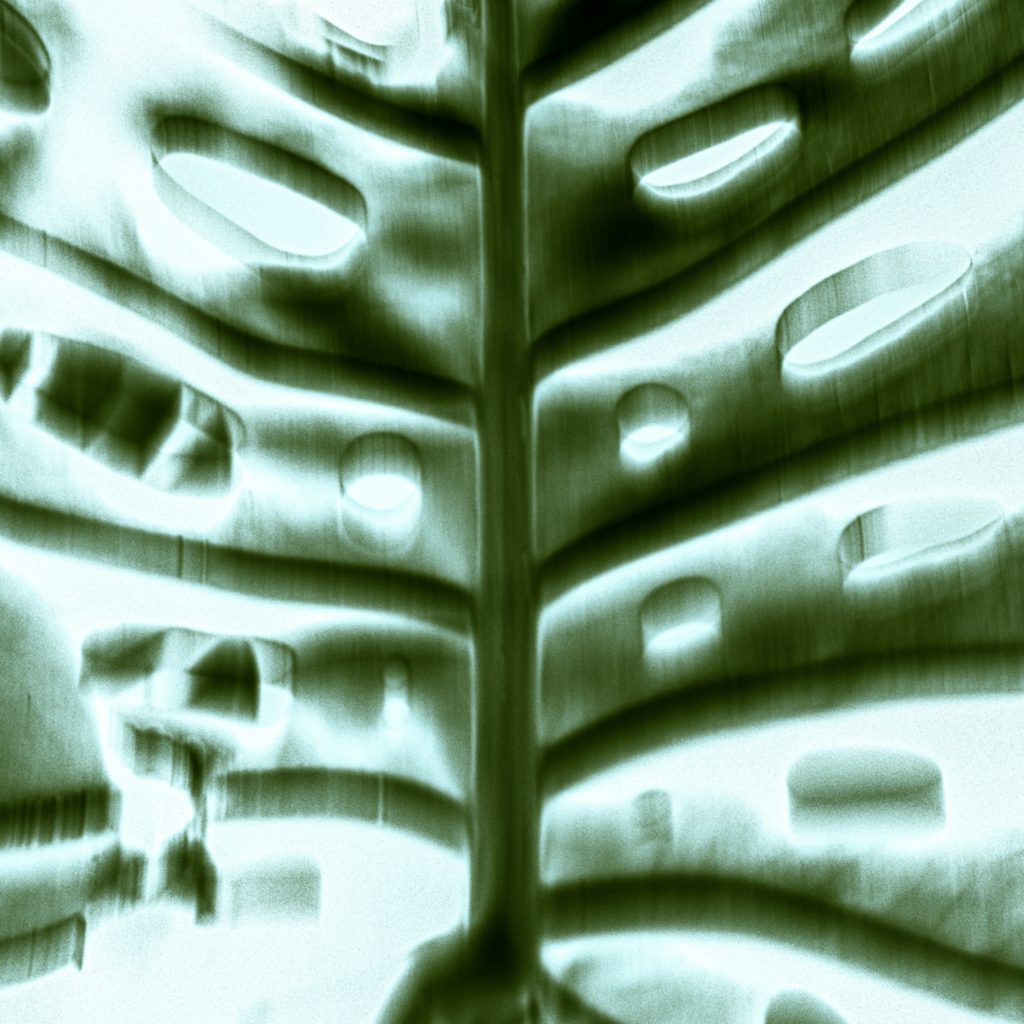
Q5. Your Chlorophyll Trance series transforms Monstera leaves into abstract landscapes. What drew you to this unfamiliar scale?
A Monstera is almost the definition of a familiar domestic plant. Precisely because of that familiarity, I was interested in what happens when recognition is disturbed. At very close range the leaf stops functioning as a ‘plant’ in the conventional sense: veins become routes, folds become reliefs, apertures become voids, and the surface begins to resemble an aerial or geological landscape.
That shift in scale is important in Chlorophyll Trance because it unsettles the hierarchy between detail and world. The image can be read simultaneously as botany, abstraction and imagined topography. It also changes the status of the plant.
Instead of decorative background, it becomes a complex living body with its own architecture and intensity. I like the point at which the viewer still recognises the source but can no longer remain certain what kind of space they are looking into.
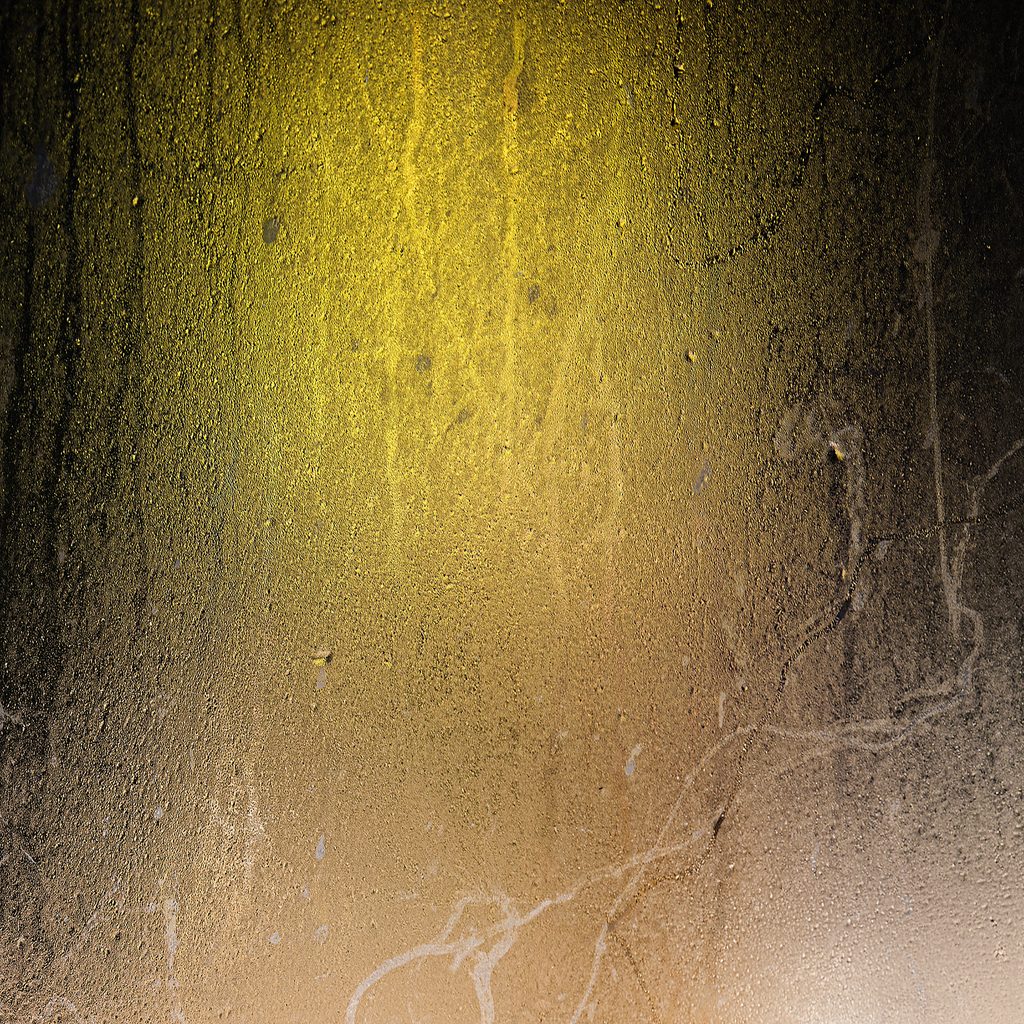
Q6. In Water as a Scriptor, condensation and biological traces become a visual writing system. What drew you to the idea of water creating its own script?
What fascinated me was that the marks were not designed by me. Condensation appears, shifts, merges and evaporates; snail trails cross it and leave temporary lines behind. The surface is therefore continuously being written and erased. I began to think of these traces as a script without a fixed alphabet and without a human author – a record of contact, time and movement rather than a language that can be literally decoded.
That reverses the usual role of water in photography. It is no longer simply a subject or reflective surface but an active agent that produces form.
The camera then becomes a way of preserving a sentence that would otherwise disappear.
I am drawn to that combination of chance and structure: the marks are contingent, yet when isolated photographically they can acquire an extraordinary precision, almost as if the material world had briefly developed its own calligraphy.
Q7. When you move from photography back into painting, what does the act of painting allow you to change or reinterpret?
Painting changes the terms of the image. A photograph retains a bond to a particular encounter – something was there, in a particular light, at a particular moment. When I return to painting, I can loosen that bond. I can compress different moments, alter scale, shift colour, remove spatial logic, or allow memory to replace optical accuracy.
That freedom is important because it lets me ask not only what something looked like, but what remained of it internally. Painting also slows the process down. A photographic decision can happen in a fraction of a second, whereas a painted image can be revised, contradicted and built over time.
I often think of painting as working with the after-image of experience: it allows the observed world to be reinterpreted through memory, emotion and symbolic association until another kind of truth becomes possible.
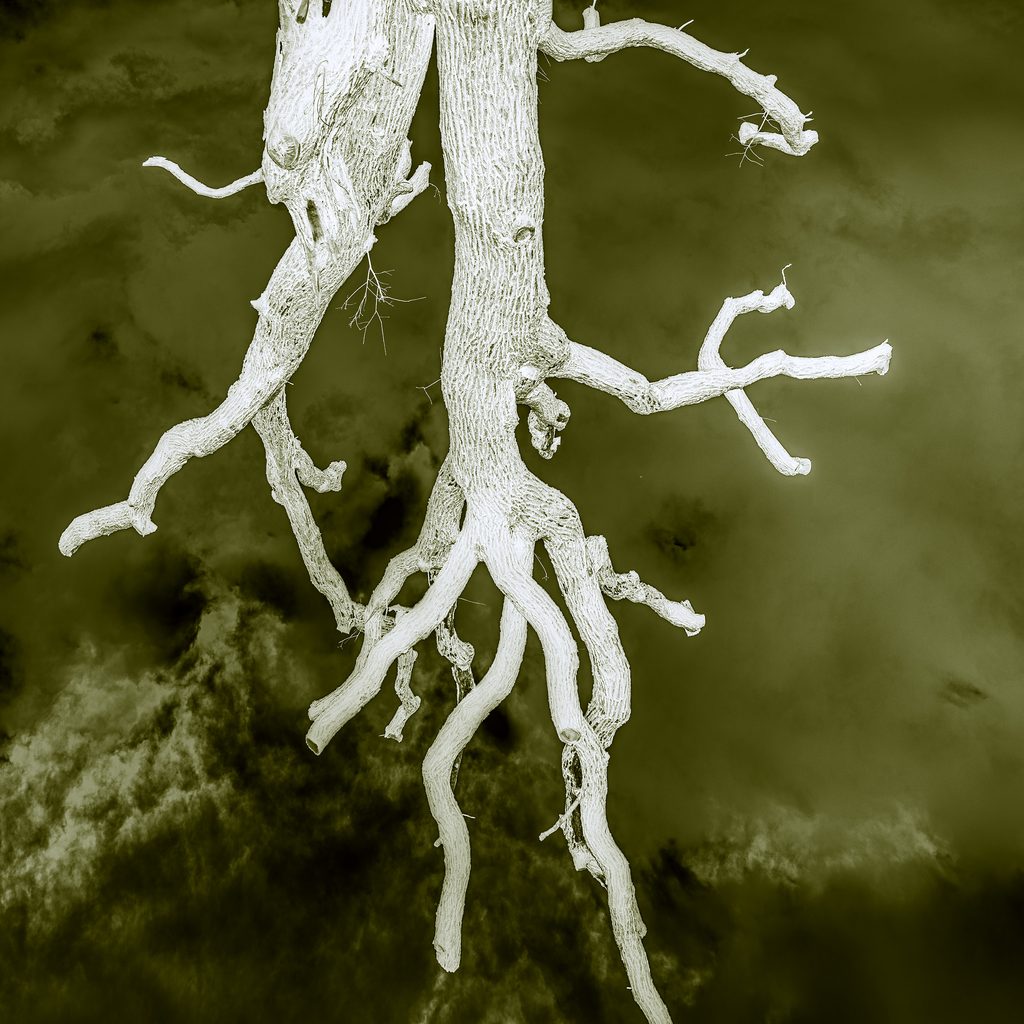
Q8. Your paintings often use symbolic elements, while your photographs feel more observational. How do these approaches connect in your practice?
I see the difference between the two media as productive rather than contradictory. Painting can begin with an inward image and construct a symbolic space from the ground up; photography begins with the resistance of something that is already there. But the boundaries quickly blur.
My photographs may be observational at the moment of exposure, yet framing, scale, sequence and tonal decisions can turn a found situation into a symbolic field.
Conversely, painting is constantly nourished by observed structures, light, surfaces and spatial tensions that I have encountered photographically. So both practices are concerned with transformation. Photography asks me to discover meaning in contingency; painting allows me to build, condense or intensify that meaning. In the wider practice, they meet in the same question: how can a visible form carry an inner, psychological or allegorical charge without becoming illustrative?
Q9. What has making art taught you about perception that you think you could never have learned simply by studying the world around you?
Making art has taught me that perception is not passive. We do not simply receive the world; we select, compare, remember, project and omit.
When I stay with a subject long enough, it often stops being what I first thought it was. A familiar surface becomes a landscape, an ordinary object begins to feel uncanny, or a seemingly empty space reveals a very precise tension. I could have understood that intellectually, but making images turns it into a physical experience.
You learn it through failed photographs, through returning to the same place, through editing and discovering that the quietest frame sometimes contains the most. Art has also taught me that reduction can intensify perception: what is withheld may be as important as what is shown. And finally, every image remains incomplete until someone else sees it; perception is always partly created in the encounter between work and viewer.
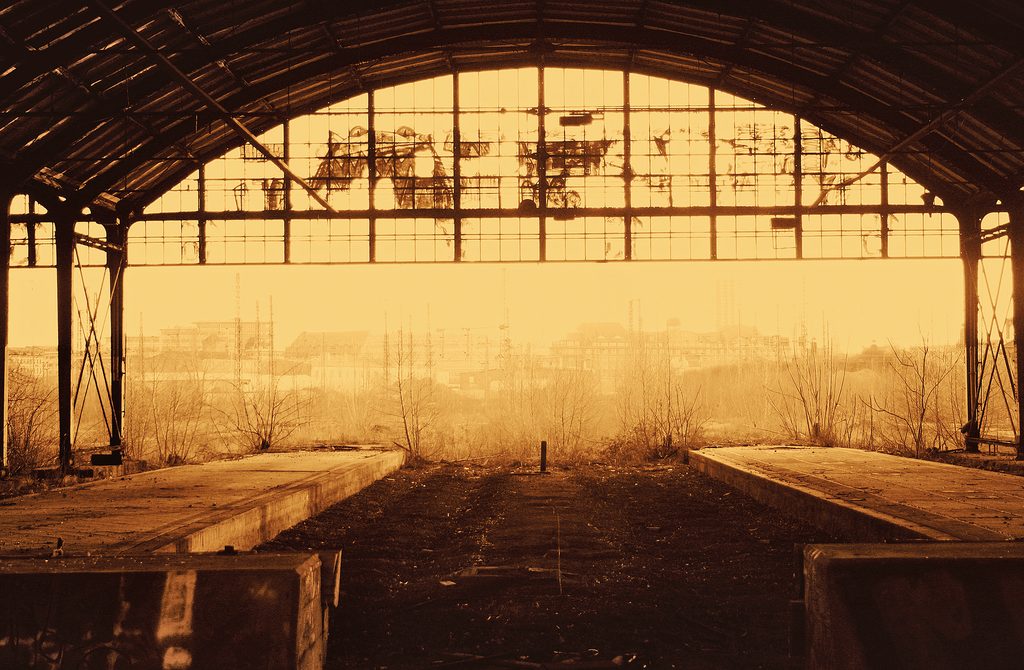
As our conversation with Marcel came to an end, we found ourselves thinking about how much of the world we walk straight past, and how much is waiting there for anyone willing to slow down and really look.
We move through our days naming things and moving on, a leaf, a puddle, a wall, barely seeing any of it. Marcel’s whole practice is a quiet argument that this is a kind of loss. Spend a little time with his work and an ordinary houseplant becomes a vast landscape, a film of water becomes a language, and you start to understand that wonder was never somewhere far away or exotic.
It was here the whole time, hidden inside the everyday, waiting for attention. There is something gently hopeful in that, and something important too, because the more closely we look at the natural world, the more we tend to care about protecting it.
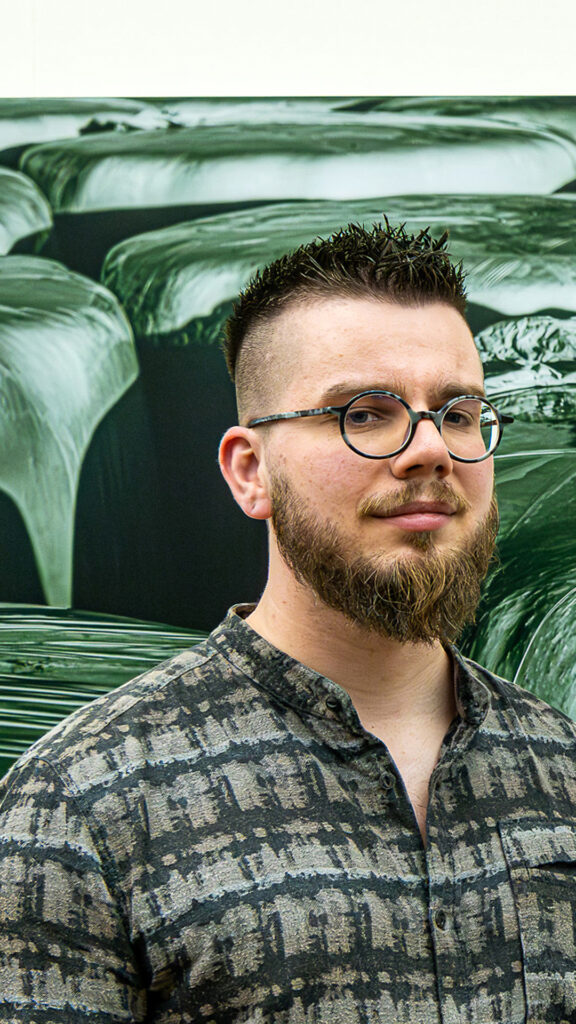
There is something quietly radical, as well, in how he makes his images. We live in an age when almost any picture can be generated, filtered, and perfected in seconds, when it is harder than ever to know what is real. Marcel works the opposite way. Everything happens in the camera, in a single honest exposure, with no digital manipulation at all.
He is not adding mystery to the world; he is finding what was already there. In a culture of endlessly edited, artificial images, that kind of patience and honesty feels less old-fashioned than quietly necessary, a reminder that the real world, looked at closely enough, is stranger and more beautiful than anything we could invent.
For art lovers and collectors, Marcel’s work brings a rare depth and quiet into a space. Atmospheric, meticulous images that begin as something recognisable and slowly open into something else, ecological, dreamlike, almost mythic, that never quite settle into a single meaning. The longer you look, the more they give. To live with one of his pieces is to keep a small, strange window onto the natural world on your wall, and a daily reminder to slow down and truly see.
Follow Marcel van Beek through the links below and see his work for yourself.
Good news, the deadline has been extended. There is still time to submit to Arts to Hearts Magazine Issue 15, built around the theme “Where I Am.” And we’re drawn to artists who know that “where” isn’t always a place. Sometimes it’s a feeling, a memory, a turning point, or simply the person you are today.
Wherever you find yourself right now, exactly where you hoped to be, far from home, starting fresh, or moving through an ordinary chapter of life, we want to see the work that came out of it. And you don’t need to make anything new. Look back through what you’ve already created and send us the piece that holds a part of your story. Your medium doesn’t matter. Your location doesn’t matter. Where you are in your journey doesn’t matter. All that matters is that the work says something honest about where you are.
If you missed the first deadline, this is your second chance. Every artist we’ve ever featured once took a breath and hit submit, and now it’s your turn.