
Why Creative Communities for Artists Matter
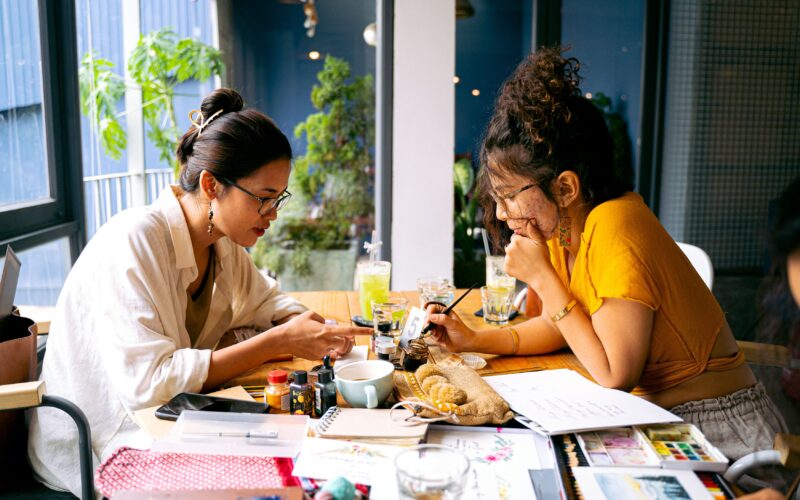
Art Is Often Made Alone. An Artistic Life Doesn’t Have to Be.
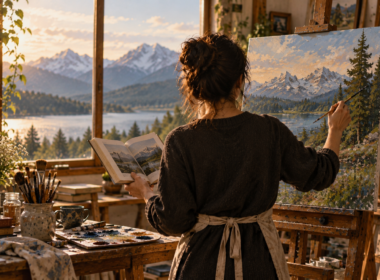
There is a particular kind of solitude that comes with making art. You sit with an idea before anyone else sees it. You spend hours with a canvas, a sketchbook, a camera, a piece of clay, or a screen, often making decisions that no one else can make for you. Much of the work happens quietly, and sometimes, completely alone.
But being an artist does not mean having to navigate the rest of your creative life that way.
Human beings are social by nature, and meaningful connection is closely tied to wellbeing. We see this in ordinary life: people gather to talk, learn, make things, solve problems, and simply feel understood. The old idea that “it takes a village” applies beyond raising a child or building a neighbourhood. We also need other people to exchange knowledge, perspective, encouragement, and a sense of belonging.
For artists, that community can take many forms. It might be a group of fellow artists who meet every month to discuss their work, a café where people gather to sketch, an online space where someone answers a question about materials, or simply one person who understands what you are trying to make.
Creative communities do not have to be large, prestigious, or constantly active to matter. And not every community will be the right one for every artist. Some spaces can encourage comparison, competition, or pressure rather than connection. Knowing when a community is helping your practice, and when it is time to step away, is part of finding a healthier creative life.
What Artists Actually Find in Community
A creative community can give an artist things that are difficult to create alone: support, perspective, knowledge, and conversation.
Someone Who Sees What You Can’t See
When you have been living with the same painting, photograph, or idea for weeks, it becomes difficult to look at it with fresh eyes. Another artist might notice a pattern you had missed, question a decision you were unsure about, or point out something that is working better than you thought. Good critique does not mean everyone has to agree. Sometimes, it simply gives you another way of seeing your own work.
The Knowledge That Isn’t in the Manual
Artists learn a lot by making things, but they also learn by asking other artists how they do things. Someone might tell you how they prepared for their first exhibition, where they found a reliable printer, what they wish they had known before applying for a residency, or how they solved a practical problem you are currently facing.
These exchanges can be especially valuable because they come from lived experience rather than a general guide written for everyone.
A Place to Say, “Me Too”
Not every useful conversation needs to solve a problem. Sometimes it helps to talk to someone who understands why you have been staring at one unfinished piece for a month, or why a rejection from an opportunity bothered you more than you expected.
That does not mean creative communities can replace professional support or close personal relationships. It simply recognizes something very human: being understood can make difficult stretches feel less isolating.
Community Doesn’t Have to Mean a Big Art Network
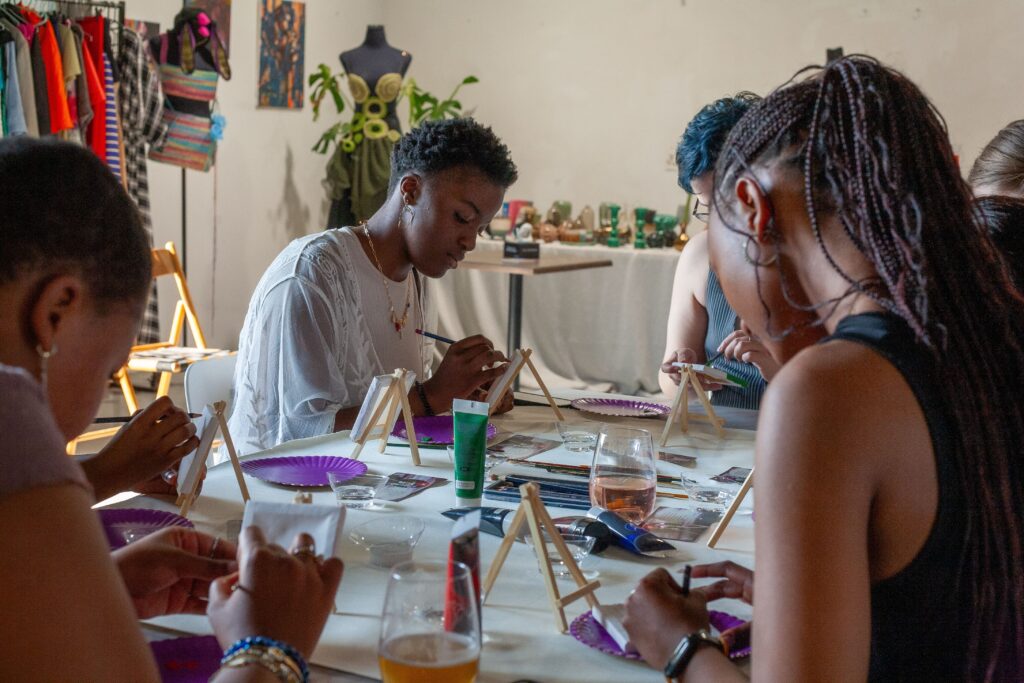
When artists hear the word community, it is easy to imagine a large network: hundreds of members, regular events, busy group chats, and a long list of people to know.
It can be that. But it does not have to be.
A community can be much smaller and still be meaningful. It could be three artists who meet once a month to look at each other’s work. It could be a life-drawing group where people slowly become familiar faces. It could be a café sketching session, an online group where artists share questions, or one person you regularly exchange ideas with.
In fact, smaller spaces can sometimes make room for the kind of conversation that gets lost in a crowd. You may actually remember what someone was working on, notice how their practice has changed, or feel comfortable enough to share something unfinished.
Sometimes, a community is simply a few people who keep showing up.
And that makes it worth looking beyond the most visible art spaces. Some of the most useful creative circles can be found in places that do not even call themselves artist communities: a neighbourhood café, a small studio, a local workshop, or a quiet online group built around a shared interest.
Where Artists Can Find These Communities
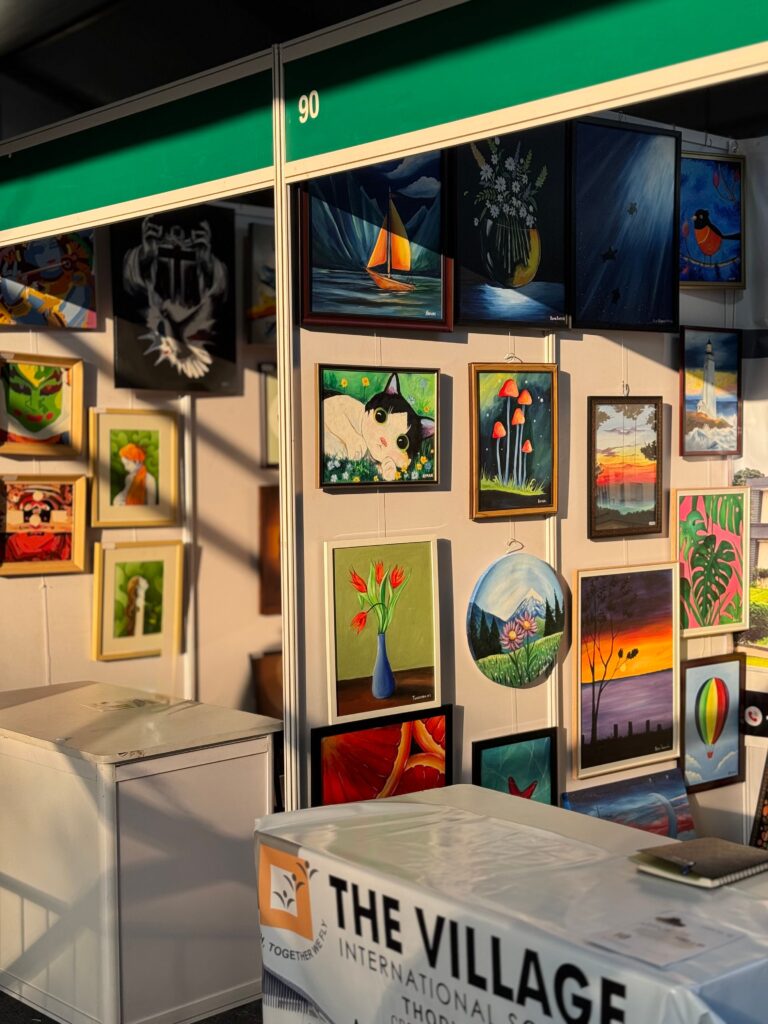
Once you start looking beyond formal art institutions, there are more places to find creative company than you might expect. Some are built specifically for artists, while others simply give creative people a reason to come together regularly.
Online Spaces Where Conversation Happens
Behance can be useful for artists and other creatives who want to share their work, discover different practices, and connect with people working across illustration, photography, design, and visual art.
DeviantArt has been home to online art communities for years, with artists sharing work, discussing techniques, and interacting around specific interests and styles. For artists who enjoy being part of a broad, interest-based art community, it can be a place to start.
ArtStation is particularly relevant to digital artists, illustrators, concept artists, and creatives working across games, film, and 3D. Alongside portfolios, it offers a way to discover how other artists approach their fields and present their professional work.
Then there are smaller Reddit and Discord communities, which can sometimes be more conversational. Artists use these spaces to ask practical questions, exchange feedback, discuss creative blocks, and talk about the less glamorous parts of making a living from art. The smaller groups can be especially interesting because people tend to join around a specific medium, interest, or problem.
For women artists, Women in Arts Network offers another kind of online community, bringing together artists and other women working across the arts through opportunities, features, exhibitions, and shared conversations.
Physical and Hybrid Spaces
Offline communities can feel very different because the interaction is not limited to a screen. Drawing & Coffee in Berlin, for example, brings people together to draw in cafés and galleries, while Philly Drip & Draw organises informal sketching sessions in coffee shops. In the UK, Open House Artist Meetup keeps its monthly gatherings deliberately small, giving artists a café setting to bring sketchbooks, discuss ideas, and meet other creatives.
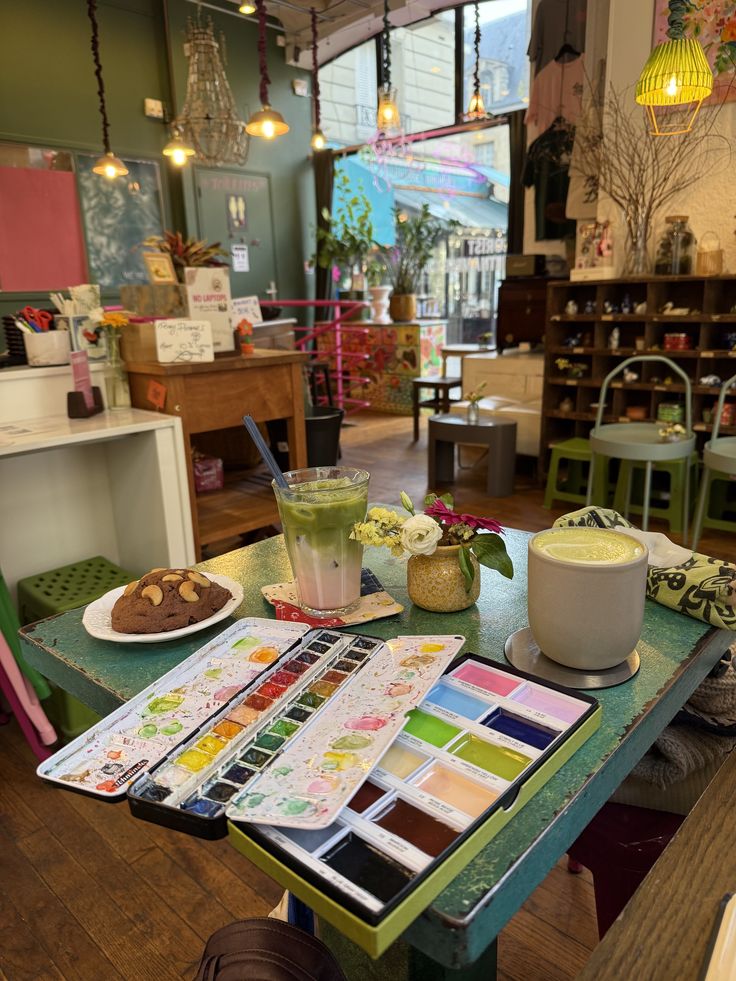
These are only a few examples. Look around your own city, too. Search for local sketch groups, artist meetups, life-drawing sessions, creative workshops, or cafés that host art events. You may be surprised by how many small communities are already meeting nearby, you just have to know what to look for.
And if you cannot find one that feels right, there is another option: be the person who creates one. You do not need a gallery or a formal organisation to bring artists together. Sometimes, all it takes is a place, a few people, and a reason to meet.
If You Can’t Find the Community, Create It
Sometimes you search your city, check event pages, ask around, and still cannot find the kind of creative community you are looking for. That does not necessarily mean it isn’t needed. It may simply mean nobody has started one yet.
And starting one does not have to mean renting a studio, designing a beautiful space, buying supplies, or planning a large event. Your first gathering could be ten people around a café table. It could even be five.
Start with one simple idea. Maybe everyone brings something they are working on and talks about it for a few minutes. Maybe you can sketch together. Maybe everyone brings an unfinished piece and leaves with one piece of thoughtful feedback. The format matters less than giving people a reason to come together.
Keep the first group small enough that people can actually talk to one another. You can always open it up later if people enjoy it and want more. A simple group chat can handle the practical side at first, and a café, library, community room, or other existing space can save you from taking on unnecessary costs. Small, recurring gatherings can also be easier to sustain than trying to organise one impressive event.
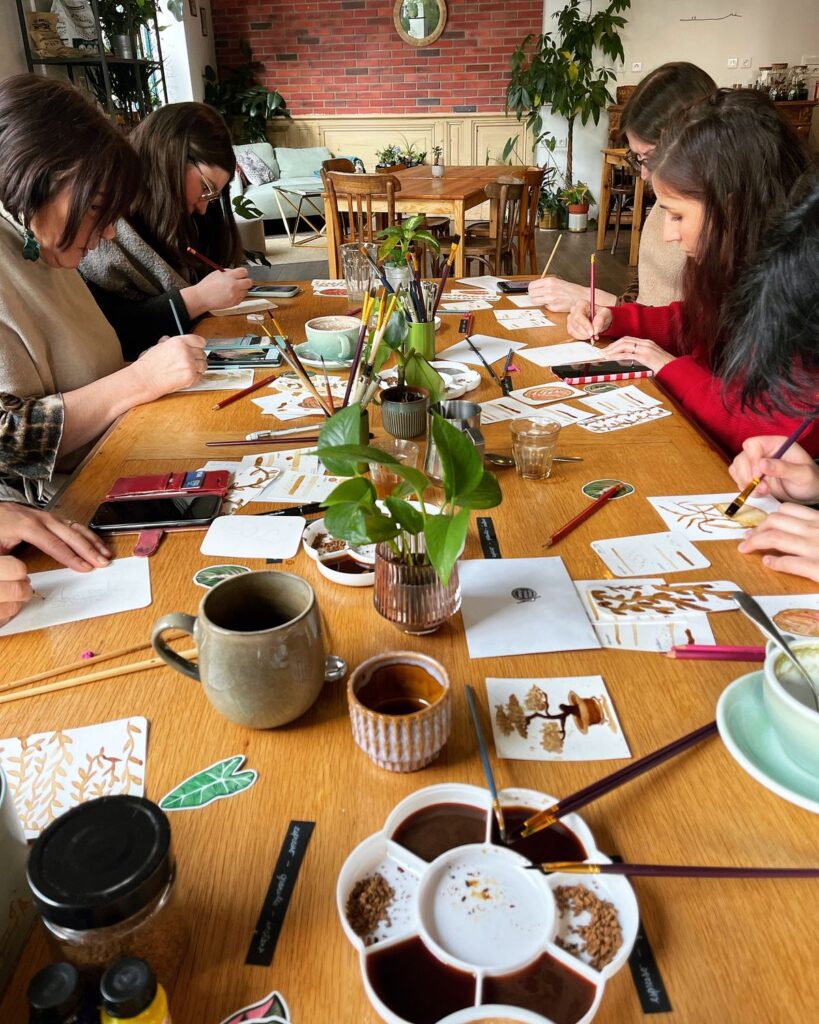
Most importantly, be clear about what kind of space you are creating. Is it for critique? Making art together? Meeting other artists? Sharing opportunities? A little bit of everything? Clear expectations help people know what they are joining and make it easier to keep the space welcoming.
You do not have to build the perfect community on the first try. Let the first few meetings teach you what people actually need. Maybe ten people become fifteen. Maybe it stays ten. Maybe the group eventually moves into a larger space, or maybe the small café table remains exactly what makes it special.
The point is to begin. A creative community does not need to look impressive before it becomes meaningful.
Knowing When a Community No Longer Feels Like Home
Finding a creative community is a little like finding any meaningful relationship. The fact that a space was good for you once does not mean you have to stay in it forever.
As artists grow, their needs can change too. A group that once gave you encouragement might eventually feel too focused on comparison. A space you joined for learning might no longer offer the kind of conversations you are looking for. Sometimes, you simply realise that you feel more comfortable somewhere else.
That does not mean the community was bad, or that you did something wrong by leaving. It can simply mean that the fit has changed.
It is worth noticing how a creative space makes you feel over time. Do you leave with something to think about, a new idea, or a sense of having connected with people who understand your work? Or do you find yourself becoming increasingly anxious, pressured, or hesitant to share?
Healthy communities can challenge us, and not every uncomfortable moment is a reason to walk away. But there is a difference between being pushed to think differently and feeling like you have to change yourself to belong.
Knowing when to step back is part of building a creative life that supports your wellbeing. You can appreciate what a community gave you and still decide that it is time to move on.
There will always be other rooms, tables, conversations, and people to find. The goal is not to belong everywhere. It is to find the spaces where you can participate, grow, and still feel like yourself.
Finding the right creative community also means knowing how to protect your time, energy, and creative space within it. Boundaries can help you stay connected without letting comparison, constant availability, or other people’s expectations take over your practice. If you’re thinking about where those boundaries begin, read our guide to 5 Healthy Boundaries Every Artist Needs to Protect Their Creativity.
The People We Return To
Art will always have a solitary side. There will be ideas you have to sit with alone, decisions only you can make, and long hours when it is just you and the work.
Community does not take that away. It simply gives the rest of the journey somewhere to go.
Artists have always carried difficult things alongside their work. Vincent van Gogh wrote openly in his Letters to Theo about loneliness, friendship, and his longing for human connection. His letters remind us that making art and being understood are two different things, and that one does not always guarantee the other.
Georgia O’Keeffe offers another kind of reminder. She valued solitude deeply, but her life was also shaped by long, meaningful relationships and correspondence. Her friendship with Anita Pollitzer lasted for more than fifty years, and her letters reveal how much artistic and personal exchange could exist alongside a fiercely independent creative life.
Maybe that is what a community can look like for an artist. It can be the person who looks at your unfinished painting and asks a question you had not considered. The group that shares an open call you would have missed. The café table where everyone brings their sketchbooks. The online conversation that reminds you another artist is figuring things out too.
Because art may be made alone, but the life around it doesn’t have to be.
Editor’s Note
Our latest edition of the 101 Art Book: Faces Edition is now open for submissions. We’re inviting artists from around the world to share their unique interpretations of the human face and become part of a global collection celebrating the many ways artists see, capture, and express identity. If your work explores faces, expressions, portraits, or the stories held within them, we’d love to see it.