


Everything Artists Need to Know About Art Printing
Selling prints is one of the most accessible ways for artists to share their work with a wider audience, but figuring out where to begin can feel surprisingly overwhelming. Should you invest in your own printer or work with a professional print lab? Is print-on-demand a good option? What kind of paper produces the best results, and do expensive materials always make a noticeable difference?
The good news is that creating high-quality art prints doesn’t require knowing every technical term or buying the most expensive equipment. What matters most is understanding the options available and choosing the ones that suit your artistic practice, budget, and long-term goals.
Whether you’re preparing your very first print or looking to improve the quality of the ones you already sell, this guide breaks down the essentials in a clear and practical way. From understanding different printing methods and paper types to choosing the right printer and deciding whether print-on-demand is right for you, here’s everything you need to know before turning your artwork into prints.
Know This, Not All Art Prints Are the Same
We’ve already explored the difference between original artworks and fine art prints in our article Originals vs. Fine Art Prints.
But once you step into the world of art printing, you’ll quickly realize that ‘print’ isn’t one simple category.
Terms like giclée, etching, lithograph, archival paper, pigment inks, and print-on-demand can make the process feel far more technical than it really is.
The good news? It doesn’t have to be confusing.
This guide breaks art printing into simple, practical sections so you can understand what different types of prints are, how artists choose to produce them, and which printing method might be right for your own practice.
Understanding the Different Types of Art Prints
Before deciding how to print your work, it’s helpful to understand what type of print you’re actually creating. This is where many artists get confused. The word print is often used as a catch-all term, but in reality, it refers to several different processes that produce very different results. Some prints are original works of art created through traditional printmaking techniques, while others are high-quality reproductions of an existing painting, drawing, photograph, or digital artwork.
Knowing the difference isn’t just about learning art terminology. It can influence how you price your work, describe it to collectors, choose a printing method, and decide what best suits your creative practice. Let’s start by looking at the two main categories you’ll come across: original printmaking and reproduction prints.
Original Printmaking
Original printmaking is often misunderstood because the word print suggests a copy. In reality, these are original works of art created through a printmaking process. Instead of painting directly onto a canvas or drawing on paper, the artist creates an image on a surface such as a metal plate, wood block, stone, screen, or linoleum sheet. That image is then transferred onto paper, often producing a limited edition of prints.
Although multiple impressions can be made from the same matrix, each print is considered an original artwork because it comes directly from the artist’s hand and the original printing process, not from photographing or scanning an existing piece. Most artists also number and sign each print, adding to its authenticity and collectability.
Here are some of the most common original printmaking techniques you’ll come across:
Etching
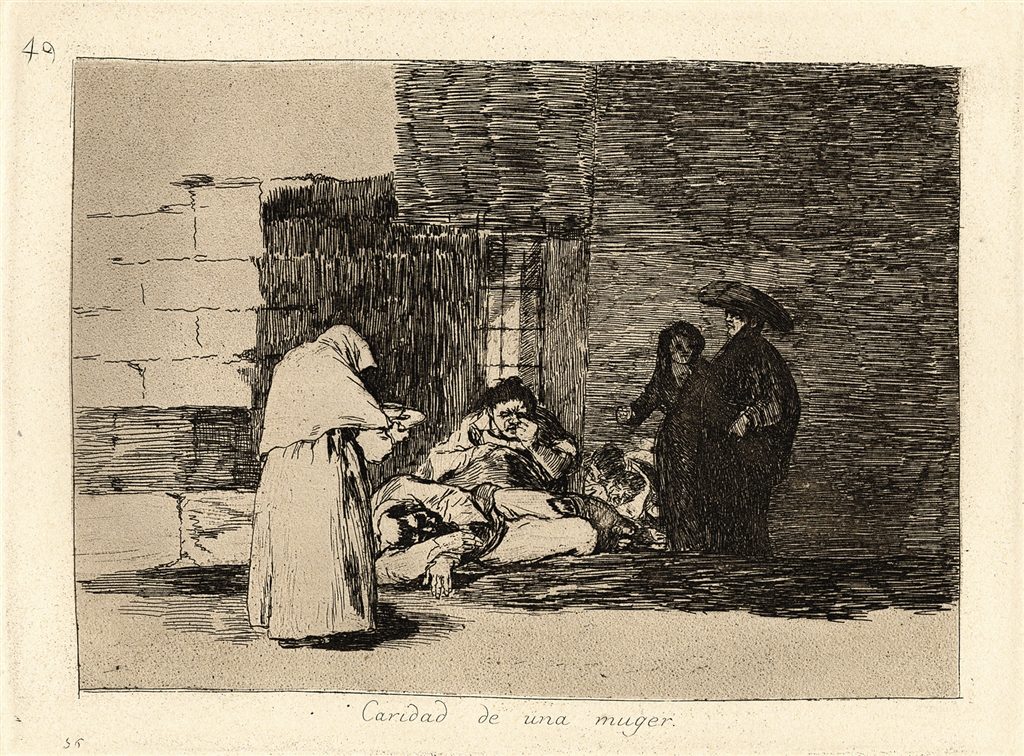
Etching is one of the oldest and most respected printmaking techniques. The artist begins with a metal plate, usually copper or zinc, coated in a protective wax-like ground. They draw into this surface with a sharp tool, exposing the metal beneath. The plate is then placed in acid, which “bites” into the exposed lines, creating grooves that hold ink. Once inked and wiped, the image is transferred onto damp paper using a printing press.
Etchings are known for their fine, expressive lines and remarkable detail, making them a popular choice for intricate illustrations and tonal compositions. Because the printing plate gradually wears down over time, editions are often kept limited. Each print is individually inked, pressed, signed, and numbered by the artist, making it an original work of art rather than a reproduction.
Woodcut
Woodcut is one of the earliest forms of printmaking. The artist carves an image into a wooden block, leaving the raised areas to hold ink while the carved sections remain blank. Paper is then pressed onto the inked block to create the print. Woodcuts are known for their bold lines, rich textures, and strong contrast, giving them a distinctive handcrafted character.
Linocut
Linocut follows a similar process to woodcut but uses a sheet of linoleum instead of wood. Since linoleum has a smoother surface and no wood grain, it is easier to carve and allows for cleaner, more fluid lines. It’s a favourite among contemporary printmakers for its versatility and striking graphic quality.
Lithography
Lithography is based on the principle that oil and water repel each other. Instead of carving into a surface, the artist draws directly onto a smooth limestone slab or metal plate using a greasy material. The image is then chemically treated so that only the drawn areas accept ink. Lithographs are valued for their ability to capture soft shading, subtle textures, and expressive, hand-drawn marks.
Screen Printing
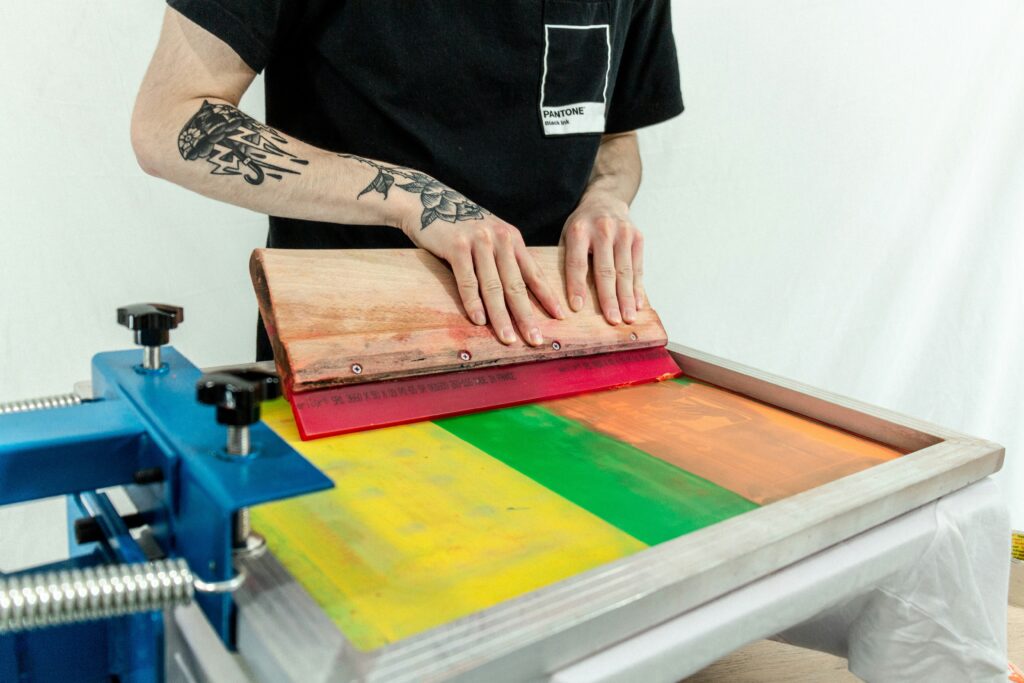
Screen printing, also known as serigraphy, uses a fine mesh screen through which ink is pushed onto paper or fabric using a squeegee. Separate screens are typically used for each colour, allowing artists to build vibrant, layered compositions. Known for its crisp shapes and bold colours, screen printing is widely used in both contemporary fine art and commercial design.
Reproduction Prints
Unlike original printmaking, reproduction prints begin with an existing artwork. The original painting, drawing, photograph, or digital illustration is professionally scanned or photographed, then reproduced using modern printing technology. The goal is to create a print that captures the colours, details, and character of the original as accurately as possible.
This is the type of print most artists sell today, allowing them to make their work more accessible without parting with the original piece. Reproduction prints can be offered as open editions or limited editions and are commonly produced as high-quality giclée prints or standard digital prints. While they are not original artworks in the traditional printmaking sense, they remain an important and widely respected part of today’s art market when produced with quality materials and transparency.
Giclée Prints
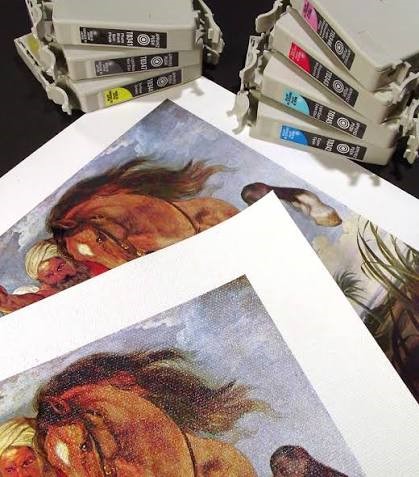
Giclée (pronounced zhee-clay) is the gold standard for fine art reproductions. These prints are created using high-resolution inkjet printers, archival pigment inks, and premium fine art papers or canvas. The result is exceptional colour accuracy, sharp detail, and excellent longevity, making giclée prints the preferred choice for artists, galleries, and collectors looking for museum-quality reproductions.
Standard Digital Prints
Standard digital prints are produced using commercial digital printers and are generally more affordable than giclée prints. While they can offer excellent quality for posters, promotional materials, or open editions, they typically use dye-based inks and standard paper, meaning they may not have the same colour depth or archival lifespan as fine art prints. They are a practical option when affordability and volume are the priority.
Open Edition vs. Limited Edition
Whether a print is open or limited has less to do with how it’s made and more with how it’s released. Open edition prints can be produced in unlimited quantities, making them more accessible and affordable. Limited edition prints are released in a fixed number, with each print usually signed and numbered by the artist. Because of their exclusivity, limited editions are often more desirable to collectors and can command higher prices.
Understanding the different types of prints is only the first step. Once you’ve decided what kind of prints you want to offer, the next question is how you’ll actually produce them. Should you invest in your own equipment, work with a professional print lab, or let a print-on-demand service handle everything? Each approach comes with its own advantages, and the right choice depends on your goals, budget, and the way you want to run your art business.
Printing Your Artwork: Choosing the Right Production Method
There isn’t a single “correct” way to produce art prints. Professional artists use different approaches depending on their budget, the volume of prints they sell, how much control they want over the final product, and whether they prefer to handle packaging and shipping themselves. Understanding the three most common options can help you decide which one best fits your creative practice.
- Printing Your Own Artwork
Printing your own work gives you the greatest level of control. You can oversee colour accuracy, experiment with different fine art papers, sign and package each print yourself, and fulfil orders at your own pace. This approach works well for artists who sell prints regularly, attend art fairs, or want a more hands-on role in every stage of the process.
However, it also requires a larger upfront investment. Beyond purchasing a quality printer, you’ll need archival inks, fine art paper, storage space, and time to package and ship every order. It’s often the most rewarding option for artists with an established print business, but it may not be the most practical place for beginners to start.
- Working with a Professional Print Lab
Many professional artists choose to work with fine art print labs instead of printing at home. After professionally photographing or scanning your artwork, the lab produces high-quality prints using archival materials and colour-managed equipment that would be expensive to own yourself. This allows artists to offer museum-quality reproductions without investing in specialised printing equipment.
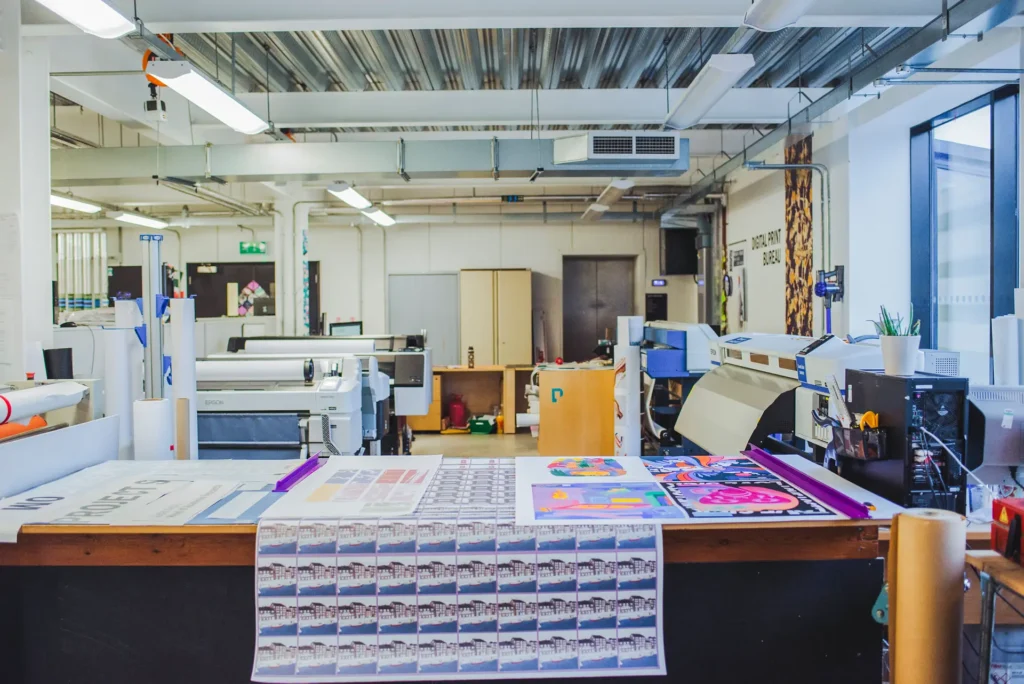
You’ll typically have higher production costs per print than if you printed them yourself, but the consistency, quality, and expert support often make it worthwhile. This option is ideal for artists who prioritise premium results while still wanting to manage their own sales, inventory, and customer relationships.
- Using a Print-on-Demand Service
Print-on-demand services handle almost everything after you upload your artwork. When a customer places an order, the company prints the piece, packages it, and ships it directly to the buyer. Because there’s no need to buy equipment or keep inventory, it’s one of the most accessible ways for artists to begin selling prints online.
The trade-off is that you’ll have less control over the printing process, packaging, and profit margins. Quality can also vary between providers, so it’s worth ordering sample prints before offering them for sale. For artists who want to focus on creating rather than managing production and shipping, print-on-demand can be an excellent way to reach a wider audience with minimal upfront costs.
If You Decide to Print at Home, Make Sure You Choose the Right Printer
Printing your own artwork can be incredibly rewarding, but the quality of your prints depends on more than simply buying a printer. The type of printer, the inks it uses, and the paper you choose all play an important role in how accurately your artwork is reproduced. Here are the key things to consider before making an investment.
Choose an Inkjet Printer Over a Laser Printer
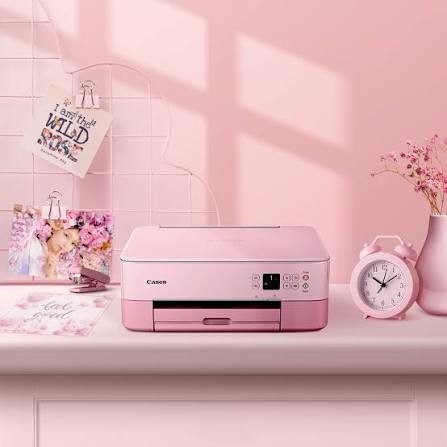
For most artists, a high-quality inkjet printer is the preferred choice. Inkjet printers are designed to reproduce subtle colour transitions, fine details, and rich textures, making them ideal for artwork and photography. Laser printers, while excellent for documents and graphics, aren’t intended for fine art reproductions and generally can’t achieve the same depth of colour or image quality.
Pigment Inks vs. Dye Inks
Not all printer inks are created equal. Pigment inks are considered the industry standard for fine art printing because they offer excellent colour accuracy and long-lasting archival quality, helping prints resist fading over time. Dye inks are typically more affordable and can produce vibrant colours, but they tend to have a shorter lifespan. If you’re creating prints to sell, pigment inks are generally the better long-term investment.
Don’t Overlook Your Paper Choice
Even the best printer can’t compensate for poor-quality paper. Fine art papers come in a variety of finishes, including matte, textured cotton rag, watercolour, and lustre, each creating a different look and feel. The right paper depends on both your artistic style and the type of work you’re reproducing. Whenever possible, order sample packs and test your prints before committing to larger quantities.
You Don’t Need the Most Expensive Setup
It’s easy to assume that producing professional prints requires the most advanced equipment on the market, but that’s rarely the case. Start with a printer that suits your current needs and budget, learn how to create consistent results, and upgrade as your print business grows. Many successful artists begin with a modest setup before investing in larger-format printers as demand increases. Understanding your workflow and producing reliable, high-quality prints will always matter more than owning the most expensive machine.
Popular Print-on-Demand Services for Artists
If printing, packaging, and shipping every order yourself doesn’t fit your workflow, print-on-demand (POD) services can be an excellent alternative. Once you upload your artwork, these platforms print each order only when it’s purchased, then handle fulfilment and delivery on your behalf. This allows artists to start selling prints with little to no upfront inventory while reaching customers around the world.
Here are some of the most popular print-on-demand services used by artists today:
Printful
Printful is one of the most established print-on-demand platforms, known for its reliable quality, wide product range, and seamless integration with online stores like Shopify, Etsy, and WooCommerce. It’s a strong choice for artists who want to build their own branded shop.
Gelato
With production partners in more than 30 countries, Gelato focuses on local printing to reduce shipping times and costs. It’s particularly well suited to artists selling to an international audience.
Printify
Printify connects artists with a global network of print providers, allowing you to compare pricing, locations, and product options. This flexibility makes it a popular choice for those looking to balance quality and cost.
Prodigi
Prodigi specialises in fine art printing and premium wall art, making it a favourite among photographers and artists seeking museum-quality reproductions. It also integrates with several ecommerce platforms for easy order fulfilment.
INPRNT
Unlike traditional print-on-demand services, INPRNT is a curated marketplace specifically for artists. Artists apply to join the platform, and once accepted, INPRNT manages printing, sales, and shipping while showcasing work to an audience already interested in buying art.
No single platform is the perfect choice for every artist. Before committing, order sample prints, compare paper and print quality, review shipping costs, and consider how well each service integrates with the way you plan to sell your work. A little research upfront can help ensure your prints represent your artwork at its very best.
Make Every Print Count
Art printing isn’t about choosing the most expensive printer or the most popular print-on-demand service. It’s about finding a workflow that supports your creative practice, your budget, and the way you want to share your work with others. What works for an emerging artist selling their first few prints may look very different from the process of an established artist fulfilling hundreds of orders each year, and that’s perfectly okay.
As your career grows, your approach to printing may evolve too. You might begin with a print-on-demand service, move to a professional print lab for higher-quality reproductions, or eventually invest in printing your own work at home. The important thing is understanding your options so you can make informed decisions with confidence.
Whether you’re creating your very first print or expanding an existing collection, thoughtful printing allows more people to enjoy your work while preserving the quality and integrity of your original creations. Start with the method that feels right for you today, and let your printing process grow alongside your artistic journey.