

This Thai artist blends architecture, interior design & fine art in his paintings │Yothin Kanokbanpot
At Arts to Hearts Project, our Artist of the Yearbook is something we are really proud of. This is our first edition, and we were intentional about who belongs in it. Every artist in it was chosen because their practice has something at its centre that we think will still matter in ten years.
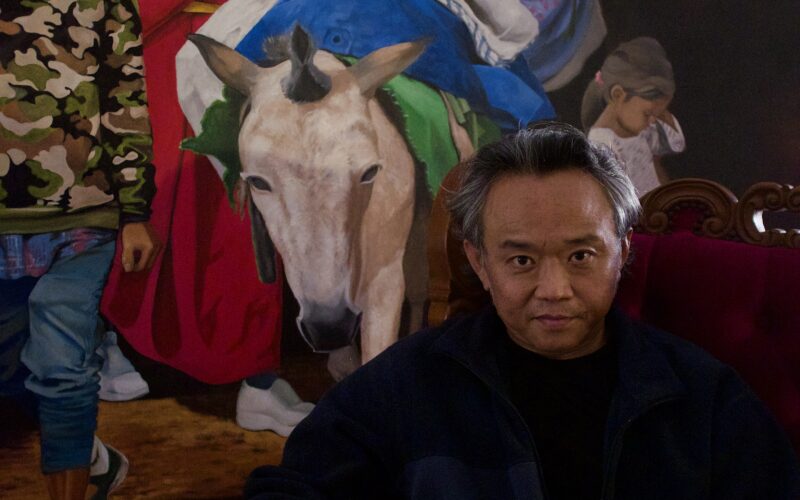
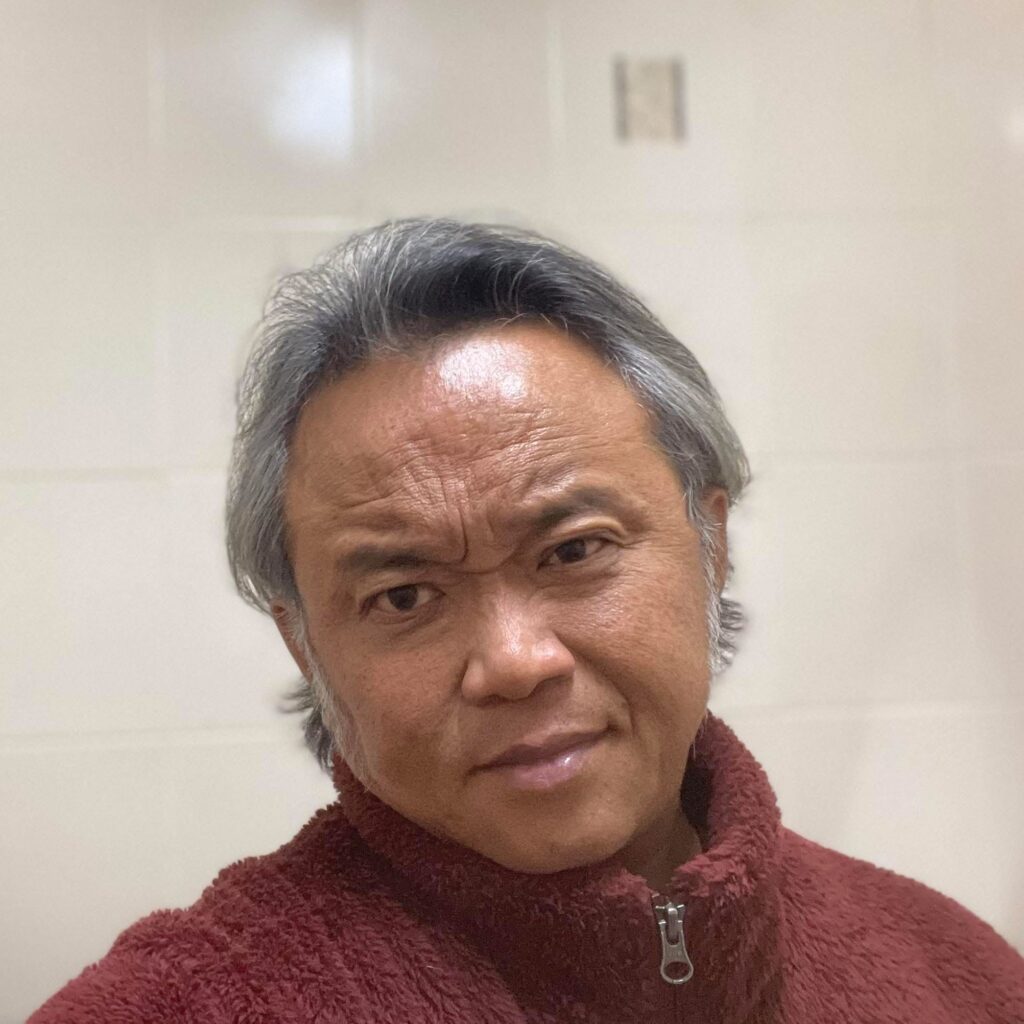
Yothin Kanokbanpot is one of those artists. And honestly his work is the kind that keeps teaching you things long after the first time you see it.
Yothin is Thai and he came to painting through architecture and interior design. That background changed how his brain works permanently, and you can feel it in every canvas he makes.
There is a structural intelligence in his compositions that most painters do not have because most painters did not spend years thinking about how weight and space and atmosphere work together inside a physical structure. Yothin did.
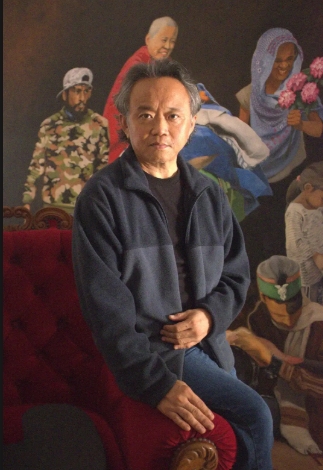
And now when he builds a painting, even a loose abstract one, everything feels held. Nothing is floating. Nothing is accidental. There is always something underneath the surface keeping it all together.
But the reason we wanted him in this book is not the structure. It is what the structure is holding. Yothin paints the inner mind. Not emotions exactly and not psychology and not stories about the human condition. Something quieter than all of that. The state before feeling becomes feeling.
The awareness that exists in you before you react or speak or decide who you are in a given moment. He is fascinated by that space and he has spent years learning how to put it on canvas without turning it into something loud or dramatic.
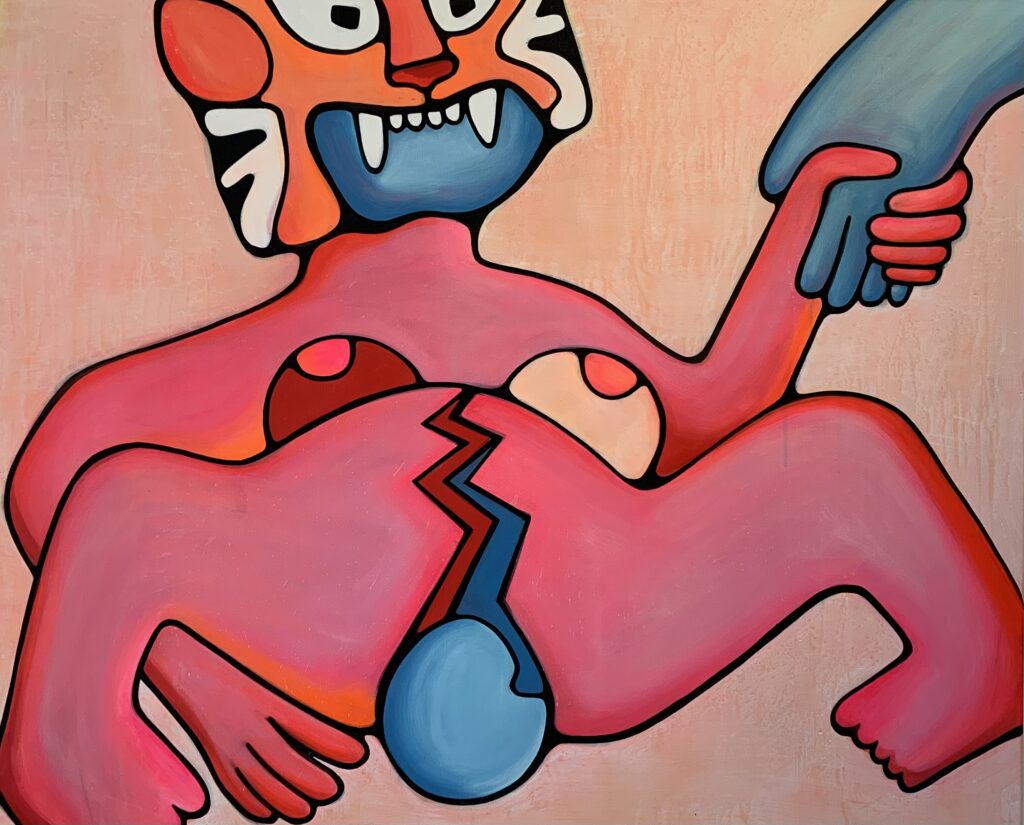
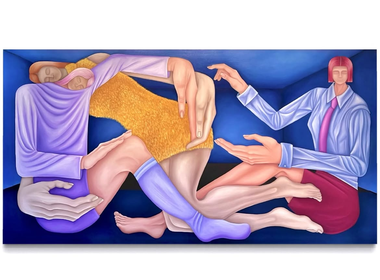
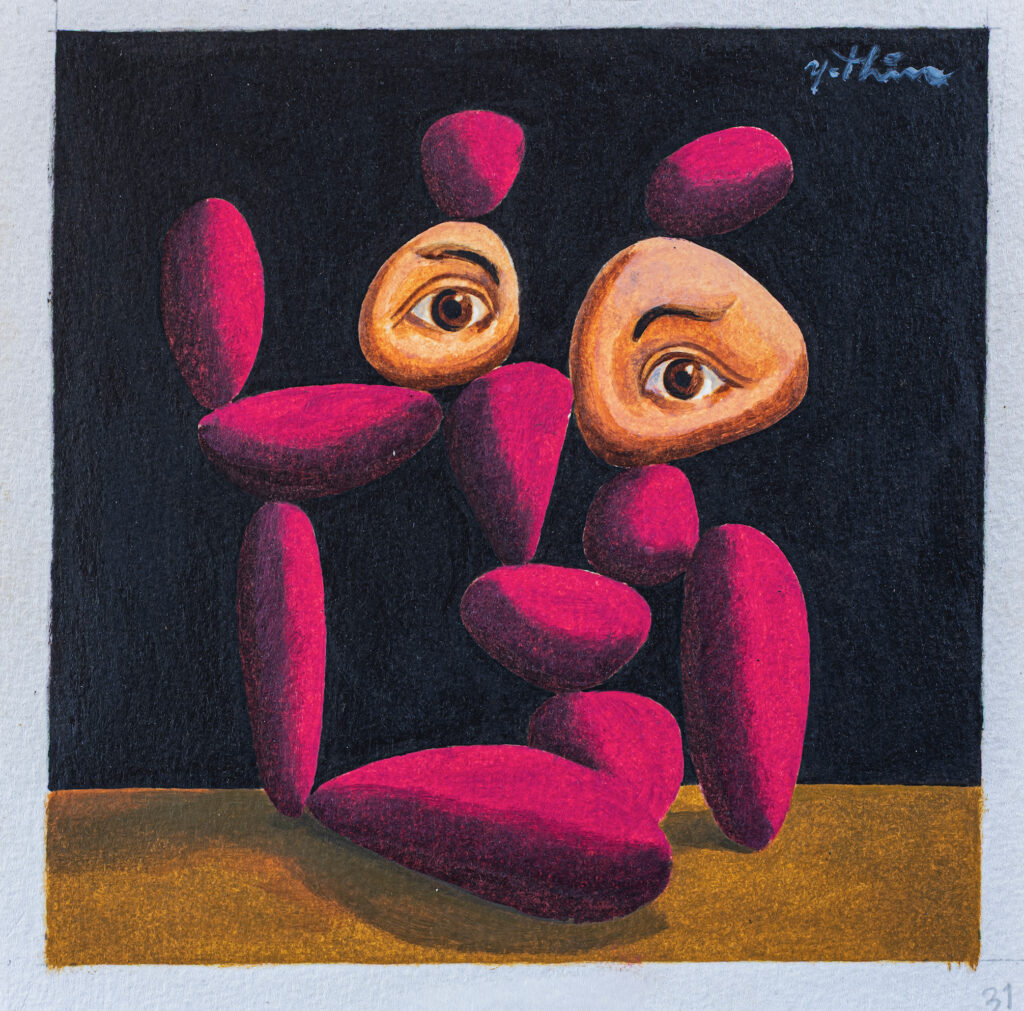
His work moves between figuration and abstraction, and he treats both as different routes to the same destination. Sometimes the figure is whole and present and grounded. Sometimes it is fragmented down to almost nothing.
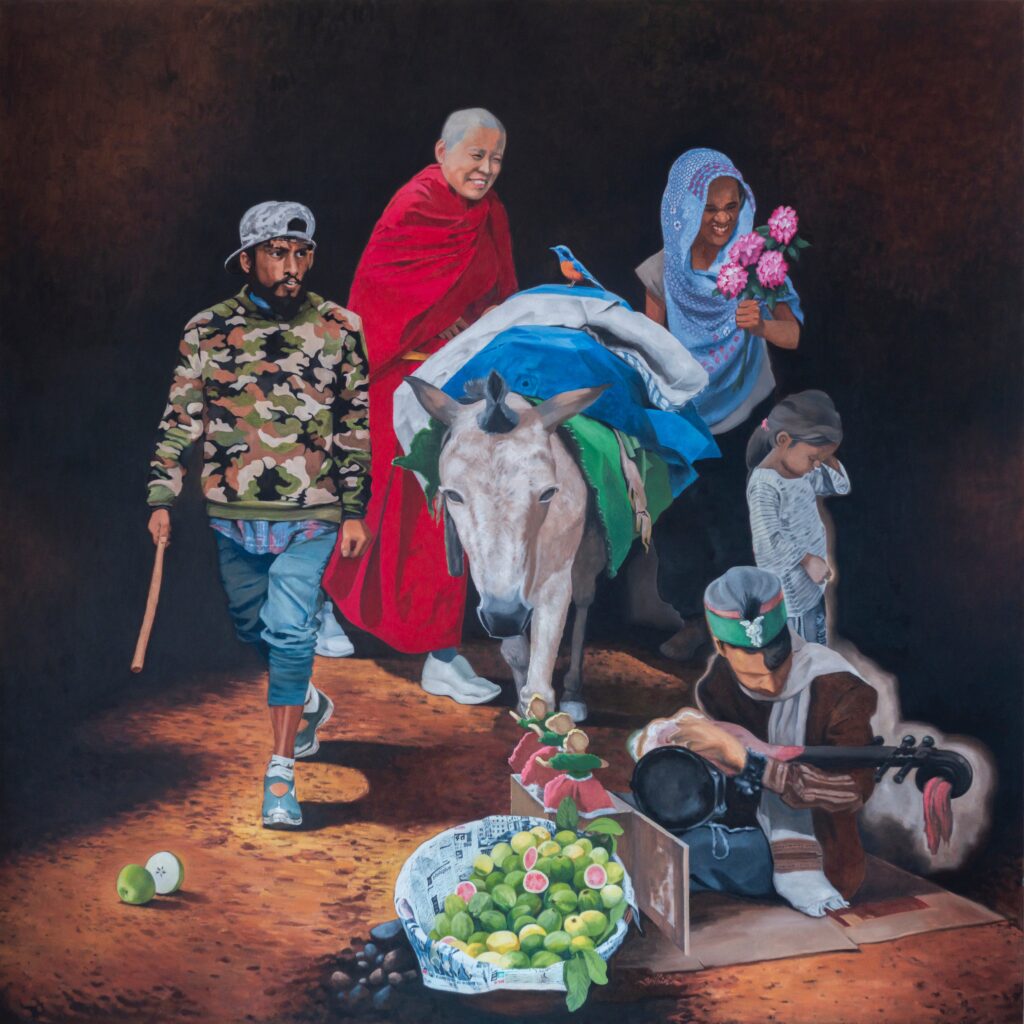
And the paintings find this balance between tension and stillness that is genuinely hard to achieve. There is energy in them but it is contained energy. It does not spill over. It does not perform. It just sits there, present, waiting for you to notice it.
He lived in France for a time and went through a period of isolation and emotional difficulty that produced work he talks about in the interview. The way he describes what that experience taught him about what painting can actually do for you when you are struggling is worth reading carefully.
Let’s hear from Yothin in his own words as he reflects on how architecture shaped his approach to painting, why simplicity took years to embrace, and what solitude in France revealed about himself.
Q1. Can you share your background and how studying architecture, interior design, and fine art shaped your approach to painting today?
I started drawing when I was young, but studying architecture later changed how I think about space and structure. Architecture taught me that everything has weight and that nothing stands alone. Each element depends on another. Interior design made me more aware of atmosphere how a space can feel quiet, tense, open, or heavy without explaining itself.
When I paint now, whether it is a portrait or a more abstract work, I still think about balance and structure. Even if a form looks fragmented, it still needs to hold together. The background is not just behind the figure; it helps support it. These disciplines didn’t decide what I paint, but they shaped how I build a painting. They keep me grounded. No matter what I am exploring internally, I try to approach it with clarity and awareness.
Q2. Your work focuses on the inner mind and human consciousness. How did this direction become central to your practice?
I am not so interested in telling stories or describing emotions directly. What draws me more is the state beneath them. Before we speak, before we react, there is a quiet presence inside us. I have always been curious about that space. In my paintings, I am not trying to explain the mind.
I am observing how a presence can exist through a face, a posture, or even through a form that is not fully defined. Sometimes the figure is clear; sometimes it is fragmented or reduced. But the focus remains the same the inner state that exists before identity becomes fixed. For me, painting is a way to slow down and stay with that state. It is less about expression and more about awareness.
Q3.Your work is abstract yet deeply emotional, how do you translate internal feelings into visual form without using clear imagery?
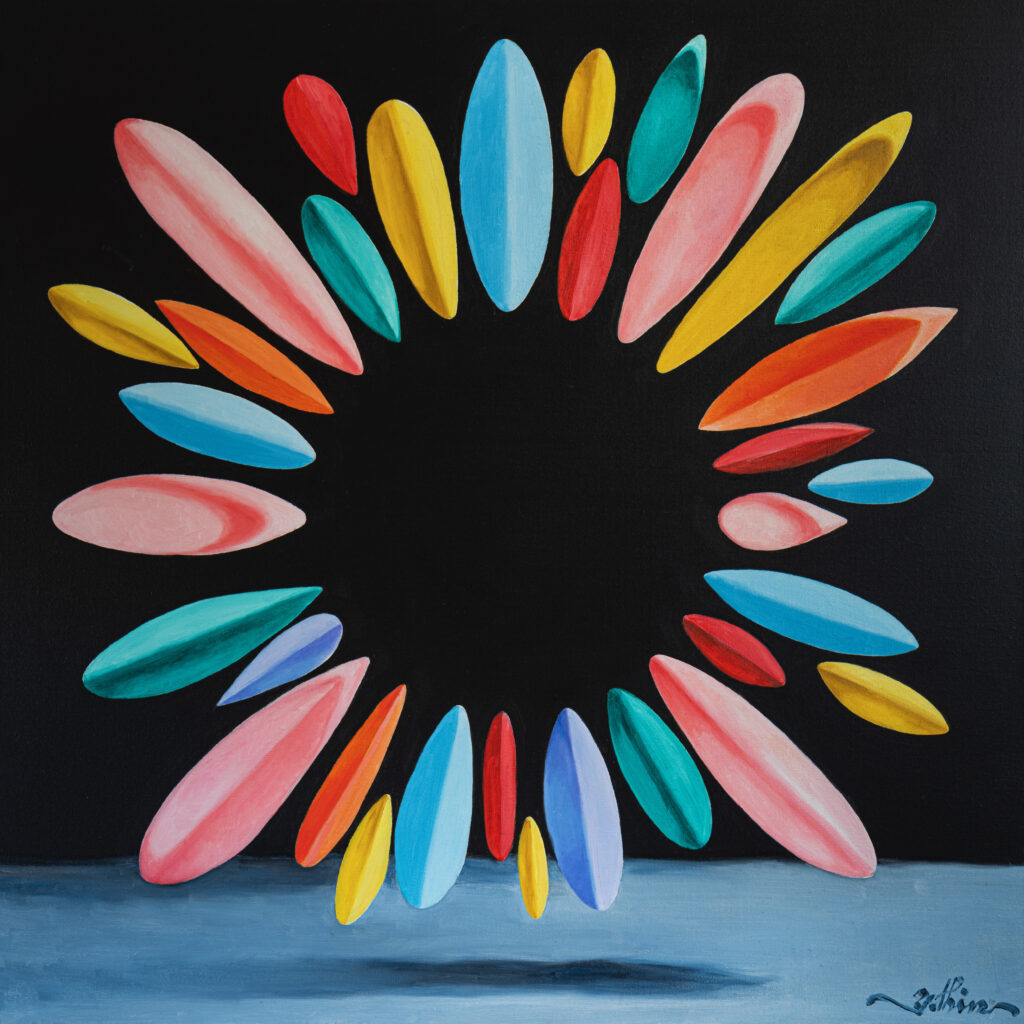
Abstraction gives me a different kind of freedom. When I work figuratively, the body carries a lot of meaning. A face immediately suggests identity, emotion, and narrative. Sometimes that is important. But at other times, I want to reduce those layers. Through abstraction, I can focus more on rhythm, weight, space, and tension. I can simplify a form until it becomes less about a person and more about a state.
Fragmentation, distortion, or reduction are not meant to be dramatic; they are ways of removing distractions. In this way, abstraction allows me to approach an inner condition more directly. It does not replace figurative work it works alongside it. Both are different paths toward the same question.
Q4. We’d love to talk about La solitude No.1. It feels both energetic and restrained, what was happening in your mind while creating it?
La Solitude No.1 was created during a period when I was living in France. It was a quiet and difficult time for me. I felt isolated and emotionally unsettled. Rather than expressing that state dramatically, I tried to sit with it. The fragmented forms in the painting reflect that feeling of instability, but they are still held within a structure. Painting it did not intensify the emotion — it helped me become steadier.
It was a way of organizing something that felt scattered. Looking back, the work represents a moment when I understood that painting is not only about image-making. It can also be a way to stay grounded, even when the inner state is uncertain.
Q5. When you look at a finished piece now, do you see it as a reflection of a specific moment, or something whose meaning keeps evolving over time?
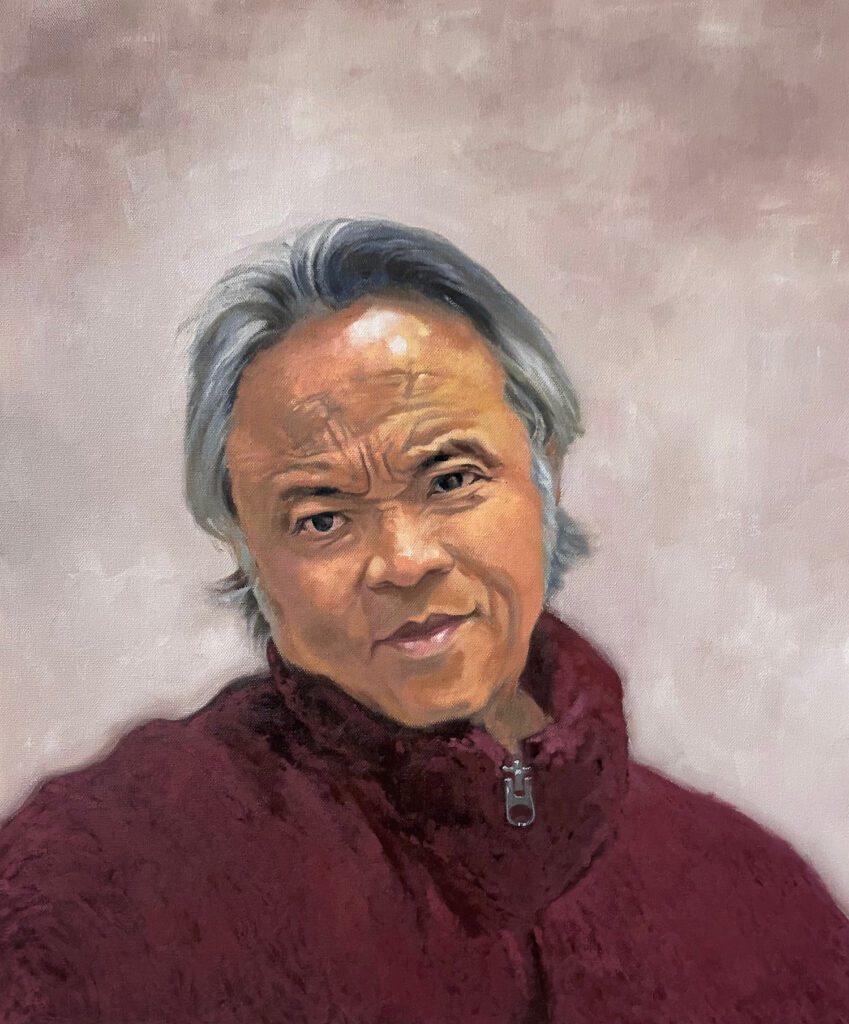
I don’t think my work is about capturing a single moment. It’s not like freezing an emotion. What interests me is something more continuous. An inner state doesn’t appear and disappear that quickly. It shifts, but it stays underneath.
Whether the work is abstract or figurative, I’m not trying to record a dramatic instant. I’m working with something that is ongoing. Sometimes a painting may begin from a specific experience, but while I’m working, it becomes less about that moment and more about a condition that continues beyond it. It’s quieter than an emotion. It doesn’t demand attention, but it remains.
Q6. Some of your works seem to hold both tension and calm at the same time. How do you approach creating that balance between intensity and stillness?
I don’t plan to make the work energetic or calm. I just work, and both qualities are there. There is always some tension while I paint — in the lines, in the forms, in the way things sit together. But I keep adjusting until it feels steady. If it feels too tense, I soften it. If it feels too quiet, I bring something back in.
For me, calm doesn’t mean emotionless. It means balanced. Energy is natural, but it needs something to hold it. I’m just trying to let them stay in the same space without one dominating the other.
Q7. How important is it for you that the viewer understands your intention, versus bringing their own interpretation to the work?
I don’t expect viewers to understand the work in a specific way. I’m not trying to deliver a clear message. If anything, I hope the paintings create a pause. A moment where the viewer slows down a little and stays with the image without immediately explaining it. The work does not need to be interpreted correctly.
It only needs to be experienced. Each person will bring their own history and state of mind to the painting. I respect that. What matters to me is that the work feels present enough to hold their attention quietly, even if just for a short time.
Q8. What has felt most meaningful to you so far in your journey not in terms of visibility, but in terms of your own development?
What has felt most meaningful to me is becoming calmer and more patient. In the beginning, I wanted things to move faster. I wanted clearer results. Over time, I understood that real growth takes time. Some paintings need to sit for a while. Some ideas are not ready yet. I don’t rush them anymore.
My work has improved technically, but that is not the most important part. What matters more is that I am more at ease with the process. I let the work take the time it needs.
Q9. When you look at your earlier works compared to your recent ones, what feels most different in the way you approach a painting?
Looking at my earlier work and my recent paintings, I can see that I am more focused now. I have more awareness and concentration while working. The work has become simpler. I remove what is unnecessary. I don’t try to add too much. The recent paintings feel clearer and more direct.
Q10. What advice would you give to someone who wants to follow their own creative path but feels unsure where to start?
Do art with love, and do it sincerely. Don’t rush. Take time to understand why you are making the work. Be patient with the process.
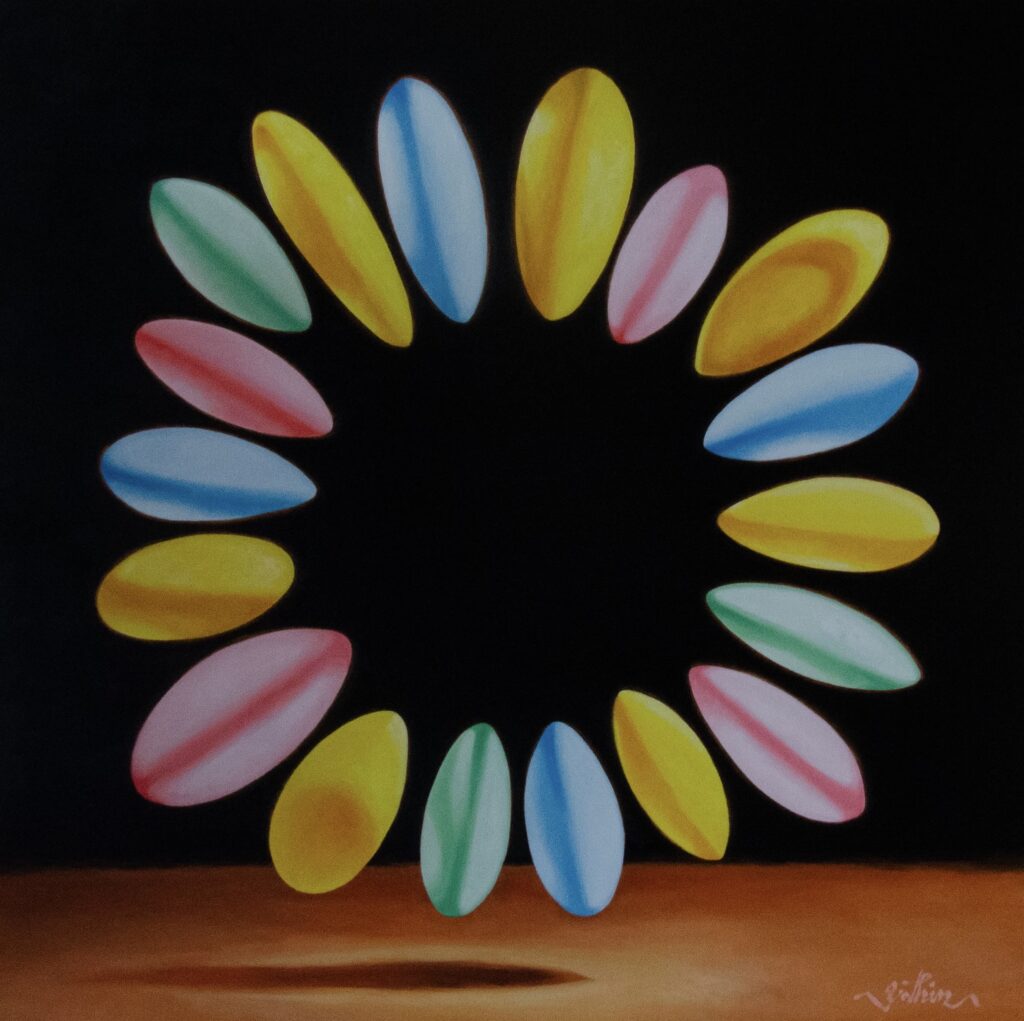
As we wrapped our conversation with Yothin, we honestly just kept thinking about how peaceful his work feels to stand in front of.
Not in a polished or overly perfect way. More like the feeling of finally sitting down after carrying too much in your head all day. The paintings have that kind of quietness to them. And maybe that comes from the fact that the work itself feels genuinely lived through.
When he spoke about the difficult period he went through in France, and about painting becoming a way to steady himself during that time, something about the work clicked into place. Suddenly the balance in the paintings, the restraint, the calmness sitting underneath the tension, it all felt less like style and more like experience.
You can feel that he’s not trying to impress people. He’s not forcing emotion onto the viewer or trying to make the work louder than it needs to be. In fact, the paintings almost do the opposite. They slow you down a little. You stand there longer than you expected to. You stop trying so hard to “understand” everything. And somehow that becomes enough.
We really appreciated that about his work. There’s also something very human in the way he talks about growth. Wanting faster results when he was younger, then slowly learning patience. Learning to leave things out instead of adding more. Learning that not every painting needs to explain itself completely. That kind of confidence usually only comes with time.
And for people who live with art, these are the works that stay important. Not because they shout the loudest in a room, but because they quietly become part of your life over time. You notice different things in them depending on the day you’ve had, or the state of mind you’re bringing with you when you look at them.
The work changes because you change. And artists who can create that kind of lasting relationship with a viewer are rare.
To follow Yothin’s journey and see more of his work, find him through the links below.