



How To Build An Art Collection Beyond Trends And Aesthetics
An art collection is often a reflection of the person building it. The pieces we choose, the artists we follow, and the stories that draw us towards certain works can tell us a great deal about what we value and how we see the world. But personal taste is not something that stays the same forever. The artwork that catches your attention today might be very different from what you loved five years ago, and that is part of the beauty of collecting.
As you discover new artists, explore unfamiliar mediums, travel, read, and experience different stages of life, your relationship with art naturally changes. You might find yourself moving from colorful abstract paintings towards quiet figurative works, or developing an interest in ceramics after years of collecting photography.
Rather than trying to maintain one particular aesthetic, a meaningful art collection should have room to grow alongside you. The goal is not to create a perfectly coordinated group of artworks, but to build a collection that feels personal, thoughtful, and connected to the person you are becoming.
If you are wondering how to start, develop, or rethink your collection, here are some practical ways to make it a more honest reflection of your evolving artistic interests.
1. Start By Understanding What You Already Love
Before purchasing anything new, spend some time looking at the artwork you already own or have saved. This is a useful way to understand your existing preferences and notice patterns you might not have consciously recognized.
Perhaps you are consistently drawn to particular color combinations, certain subjects, expressive brushwork, or artworks that tell personal stories. You might also notice that your favorite pieces have very little in common visually but share an emotional quality.
Create a small collection of images featuring artworks that genuinely appeal to you. These could include pieces you own, works you have discovered online, exhibition photographs, or artworks by artists you admire.
Look beyond whether the pieces match. Ask yourself what attracts you to each one. Is it the subject, the technique, the atmosphere, the materials, or the feeling it creates?
You do not need to arrive at a fixed definition of your taste. Simply becoming more aware of what interests you gives you a useful starting point for making future collecting decisions.
2. Allow Yourself To Explore Beyond One Style
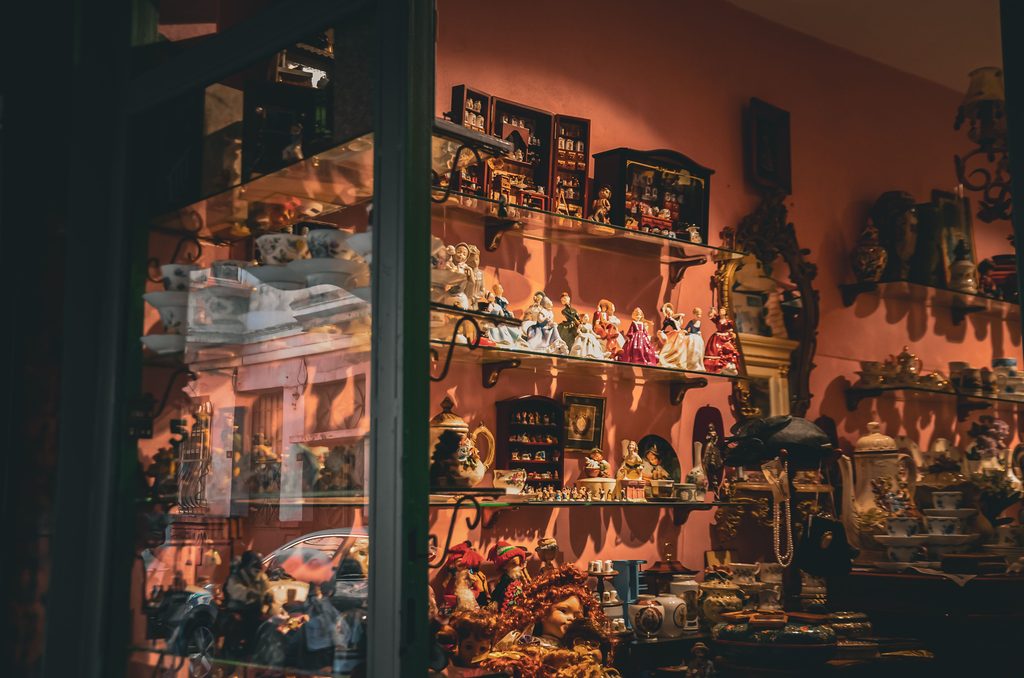
One of the easiest ways to limit a collection is to become too attached to a particular aesthetic.
If you have always collected landscape paintings, you might automatically overlook an unusual ceramic sculpture or an experimental photographic work. Similarly, if your collection revolves around neutral colors, you may hesitate to bring home something bright and expressive. But collecting does not have to mean repeating the same choices.
Give yourself opportunities to explore different artistic movements, mediums, subjects, and approaches. Visit exhibitions outside your usual interests. Browse independent galleries, discover emerging artists, and spend time learning about artistic practices you have not encountered before.
You might not immediately connect with everything you see, and that is perfectly fine. Exploring unfamiliar work helps you understand your preferences more clearly. Sometimes, an artwork you initially find unusual becomes something you appreciate deeply after learning about the artist’s process or the ideas behind it. Think of your collection as an ongoing conversation with art rather than a commitment to one particular style.
3. Buy Artwork You Connect With, Not Just What Fits Your Space
Interior design can influence collecting decisions, especially when you are choosing artwork for your home. It is natural to consider the size of a wall, the colors of a room, and how a particular piece will look alongside your furniture.
However, there is a difference between buying artwork because it complements your interior and choosing something because you genuinely connect with it. A painting might look beautiful above your sofa, but would you still want it if you moved to another home? Would you continue to appreciate it if your interior style changed?
These are useful questions to consider before making a purchase. Your collection should not become an extension of your current home decor. A piece that means something to you can remain relevant even when you rearrange your furniture, repaint your walls, or move into a completely different space.
Of course, practical considerations matter. You should think about available space, framing, installation, and how you will care for the artwork. But whenever possible, let your connection with the work come before its ability to match a room.
4. Discover Artists At Different Stages Of Their Careers
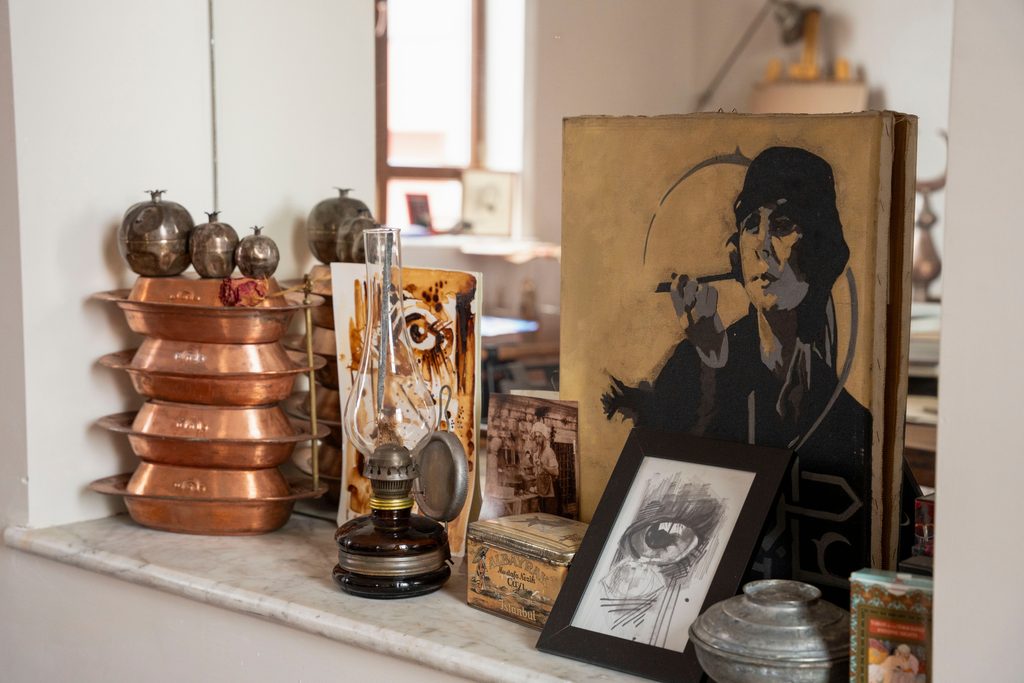
A collection can become much more interesting when it includes artists with different backgrounds, experiences, and career journeys. You might already own work by established artists whose practices you have followed for years. Alongside these pieces, consider discovering emerging artists who are experimenting with new ideas and developing their own visual languages.
Look at independent art spaces, artist-run exhibitions, open calls, graduate shows, local galleries, and online artist portfolios. These are useful places to discover practices that might not yet have widespread visibility.
Follow artists whose work genuinely interests you, even if you are not ready to purchase anything. Pay attention to how their work develops, what themes they explore, and how their techniques change over time. You may find yourself connecting with an artist’s early work and becoming interested in following their practice as it evolves.
Remember that buying from emerging artists should not be treated as a prediction of future financial success. Collect artwork because you appreciate the artist’s practice and want to support their work, not because you expect their prices to increase.
5. Make Room For Different Mediums And Creative Practices
An evolving collection does not have to consist entirely of paintings. Art exists in many forms, and exploring different mediums can introduce an entirely new dimension to your collecting experience. If your collection has traditionally focused on two-dimensional work, consider whether you might enjoy ceramics, printmaking, photography, textiles, sculpture, or artist-made objects.
Each medium offers something different. An original print can introduce you to an artist’s approach to repetition, layering, and composition. Ceramics bring texture and physical presence into a collection, while photography can capture moments, places, and perspectives in ways that paintings might not.
You can also explore artists working across several mediums. Some painters experiment with installation, while illustrators develop sculptural practices or incorporate textiles into their work.
There is no need to collect everything. The idea is to remain open to the possibility that your interests might extend beyond the mediums you initially understood or appreciated.
6. Keep A Record Of Your Collection And The Stories Behind It
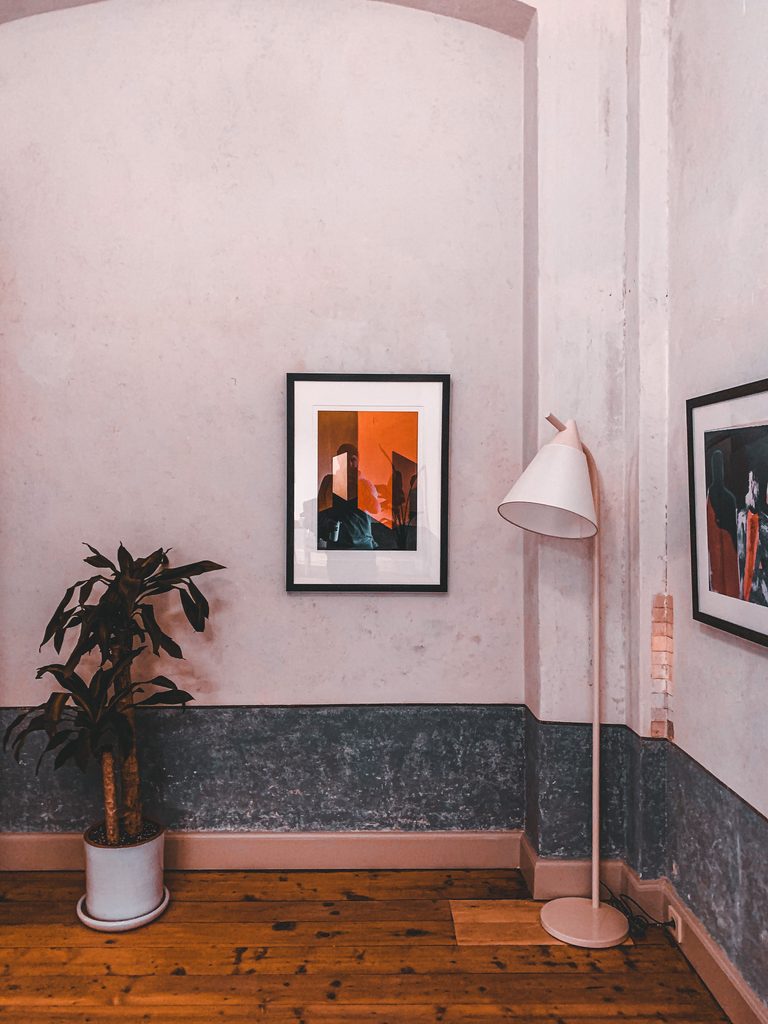
As your collection grows, it becomes increasingly useful to maintain a record of the artworks you own and the stories connected to them. Create a simple digital collection catalogue using a spreadsheet or a dedicated document. Include the artist’s name, artwork title, medium, dimensions, year of creation, purchase date, and price. You can also record where you acquired the work and any relevant information about its exhibition or provenance.
Photograph each piece and save the images alongside its details. Keep receipts, certificates of authenticity, invoices, and other documentation in a safe place. But do not limit your records to practical information.
Write a few sentences about why you purchased each artwork. Perhaps it reminded you of a particular experience, introduced you to an artist you now admire, or represented a period when your interests were changing.
These personal notes can become surprisingly meaningful over time. When you revisit your collection several years later, you will be able to understand not only what you collected but also what drew you towards those works in the first place.
7. Collect With A Budget And A Long-Term Perspective
Building an art collection does not require unlimited funds or expensive purchases. Some of the most thoughtful collections develop gradually, with collectors making considered decisions over several years.
Before purchasing artwork, establish a budget that feels comfortable for you. Decide how much you can realistically spend without compromising other financial priorities.
If original paintings are outside your current budget, explore affordable alternatives. Open editions, limited-edition prints, smaller works, student exhibitions, and direct purchases from emerging artists can provide opportunities to acquire original art at different price points.
You can also follow artists for a while before deciding whether to purchase their work. This gives you time to understand their practice and consider whether a particular piece is something you genuinely want to live with.
Avoid feeling pressured by limited-time offers, popular collecting trends, or the idea that you need to purchase artwork frequently to call yourself a collector.
A collection does not become meaningful because of how quickly it grows or how much money you spend. It becomes meaningful through the thought, curiosity, and personal connection behind each decision.
8. Let Your Collection Tell A Story That Keeps Developing
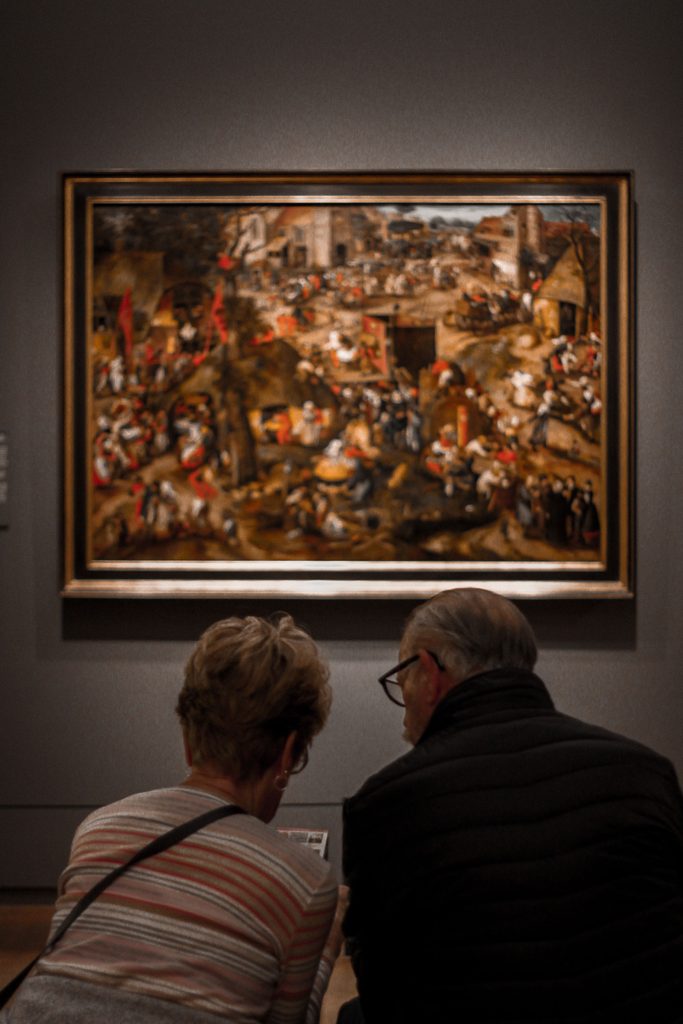
Over time, your collection will begin to reflect different versions of yourself. There might be an artwork you purchased when you first became interested in collecting, a photograph that reminds you of a memorable trip, or a painting that introduced you to an artist whose work you continue to follow.
Not every piece needs to share the same subject, color palette, or artistic approach. What connects them is the person who chose to bring them together.
You can even create small arrangements or rotate artworks throughout your home to rediscover pieces you have not looked at in a while. Group works by theme, medium, artist, or simply by the feelings they evoke. There is no single correct way to display a personal collection.
Most importantly, do not worry if your collection looks different from what you originally imagined. That difference might be a sign that you have discovered new interests, become more adventurous, or developed a deeper understanding of what you appreciate in art.
A Collection That Grows With You
Creating an art collection is not about reaching a final destination or establishing one permanent definition of your taste. It is about remaining curious, discovering artists, learning about different practices, and making thoughtful choices along the way.
Some artworks will stay with you for decades, while others might represent a passing interest or an important period of personal growth. Both have a place in your collecting journey.
Give yourself permission to change your mind, explore unfamiliar work, and collect beyond what you already know. The most rewarding collections are not necessarily the largest or most expensive ones. They are the ones that continue to feel meaningful to the people who build them.
Editor’s Note:
Only 10 days left to submit to The Artist of The Year Award 2026! We have chosen to keep the theme open, so every artist can submit work that represents their practice the best. Artists only have till November 16 to submit their art and be a part of this beautifully curated collection of artists and their art for the year 2026.