
What Is Mixed-Media Art? A Look at the Possibilities Behind the Open Call
What happens when an artist stops choosing between materials?
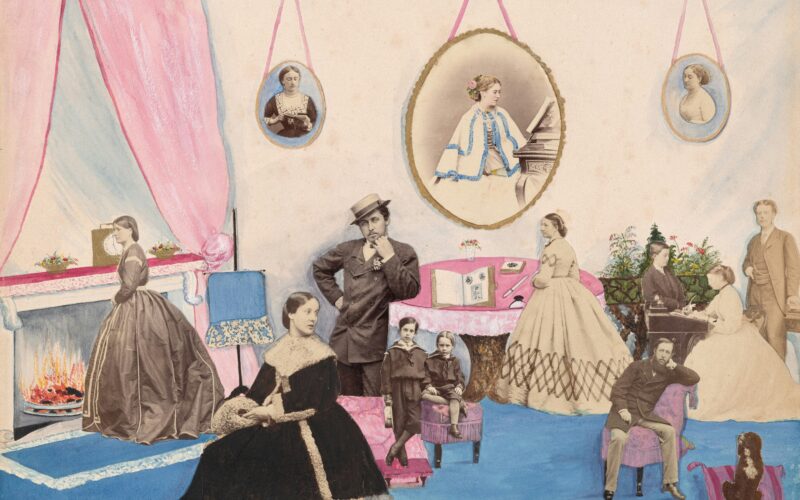
A piece of painted paper becomes part of a collage. Fabric finds its way onto a canvas. A photograph is drawn over, cut apart, or layered with paint. Found objects become part of a sculpture. A digital image meets something handmade.
This is where mixed-media art begins.
It is a way of working that allows artists to move between materials, techniques, and processes rather than committing themselves to just one. And while mixed media can feel like a very contemporary way of making art, artists have been experimenting with combinations of materials for more than a century.
Today, mixed media can be almost impossible to define in a single sentence. That is also what makes it so exciting.
For artists who have never quite felt at home inside one medium, mixed media offers room to experiment, layer, combine, and make something that could not have existed through one material alone.
What Exactly Is Mixed-Media Art?
At its simplest, mixed-media art is art that combines two or more different materials, mediums, or processes within a work or artistic practice. That could mean paint and collage. Drawing and photography. Textile and embroidery. Paper and found objects. Printmaking and painting. Sculpture and everyday materials.
It can also include digital processes alongside traditional ones. There is no required aesthetic. Mixed-media work can be abstract, figurative, conceptual, surreal, narrative, minimalist, highly detailed, messy, delicate, or anything in between.
The important part is the relationship between the different elements. Sometimes the materials are simply part of the visual language. Other times, the material itself carries meaning. An old photograph might bring a sense of memory to a piece. A discarded object might speak about consumption or personal history. Fabric might connect an artwork to craft, family, culture, or the body.
In other words, mixed media is not simply about using more stuff.It is about what happens when different materials come together and speak to each other.
Famous Artists Who Expanded Mixed Media
If you are wondering what mixed-media art can actually look like, art history offers plenty of examples.
1. Pablo Picasso — Still Life with Chair Caning
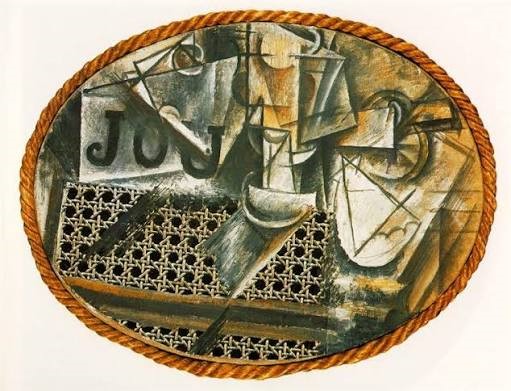
Picasso’s Still Life with Chair Caning from 1912 is one of the most important early examples to look at. The work combines oil paint with printed oilcloth and a rope frame. Rather than painting the illusion of a material, Picasso physically introduced one into the work. This is one of the ideas that makes mixed media so interesting: the material is no longer just a tool. It becomes part of the artwork itself.
2. Hannah Höch — Cut with the Kitchen Knife
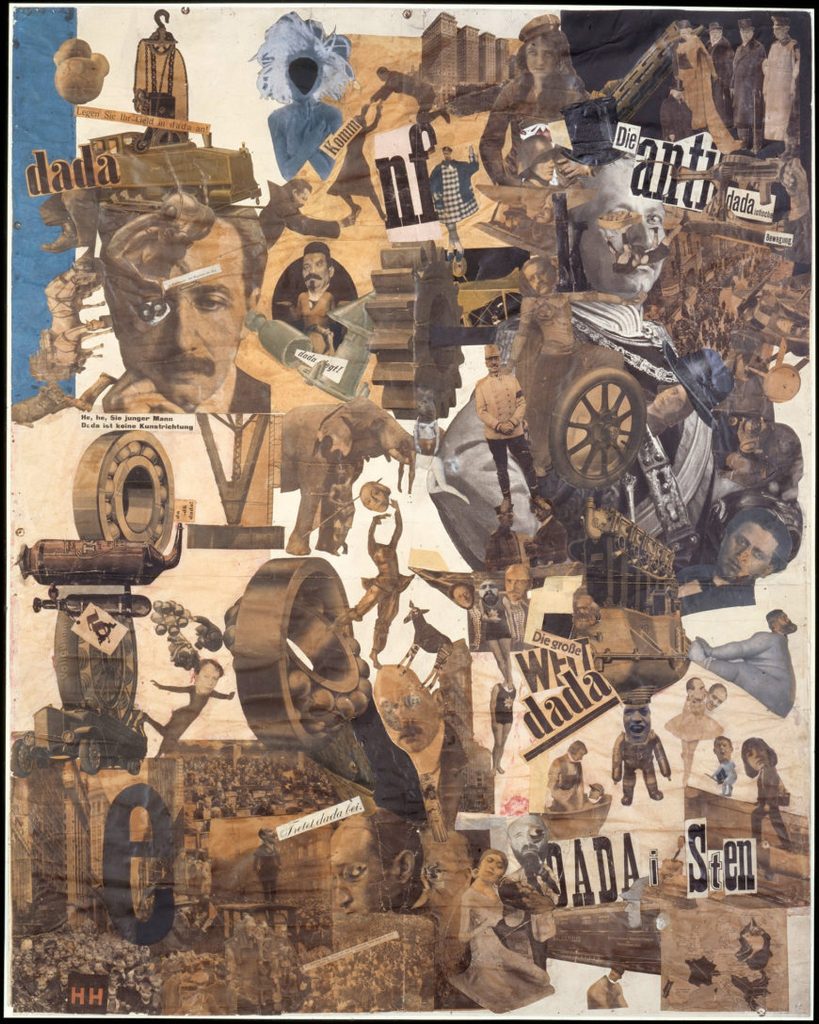
A few years later, German artist Hannah Höch pushed collage and photomontage into a completely different direction. Her famous Cut with the Kitchen Knife through the Last Weimar Beer-Belly Cultural Epoch in Germany (1919–1920) is made from cut photographic images and text taken from mass media. The crowded composition brings together political figures, machinery, performers, athletes, and other fragments of contemporary life.
Höch’s work shows that mixed-media techniques can also become a way of commenting on society. The materials are not random decorations. The act of cutting, rearranging, and recombining images becomes part of the meaning.
3. Kurt Schwitters — Merz Picture 32A (The Cherry Picture)
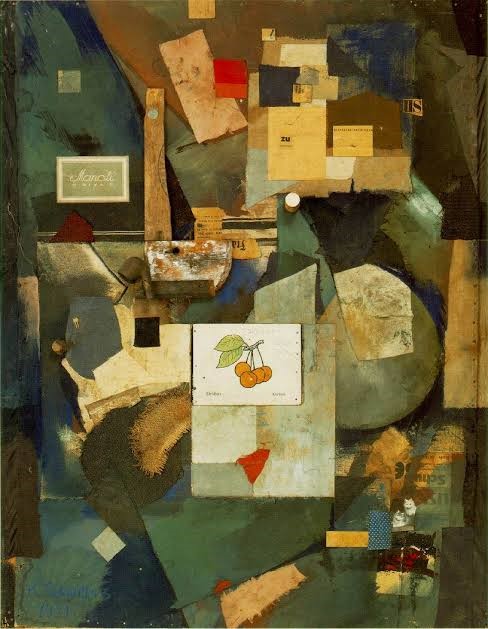
Kurt Schwitters took everyday discarded materials and turned them into carefully constructed works through his Merz practice. His Merz Picture 32A (The Cherry Picture) from 1921 combines painted surfaces with paper, fabric, wood, metal, cork, printed material, and other found fragments. Some of the objects were collected from the streets of Hanover.
Schwitters’ work is a wonderful reminder that mixed media does not necessarily mean expensive materials. A scrap of paper, a piece of packaging, a ticket, or a discarded object can become part of an artwork when an artist gives it a new context.
4. Betye Saar — The Liberation of Aunt Jemima
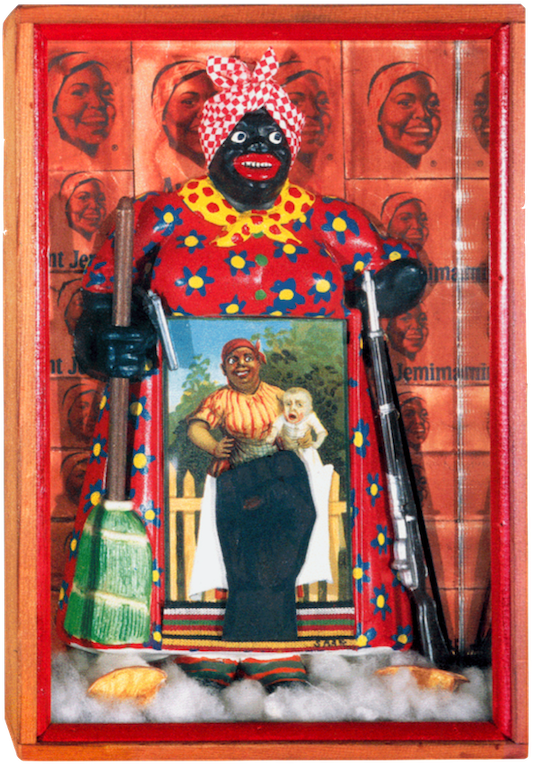
American artist Betye Saar is another important figure for anyone exploring assemblage and mixed-media practice.
Her 1972 work The Liberation of Aunt Jemima combines a found advertising image, a box, fabric, and other objects to confront racist stereotypes and transform the meaning of the imagery she was working with. The work demonstrates how mixed media can bring together personal history, found imagery, objects, and political commentary.
The Scope of Mixed Media Is Much Bigger Than Collage
When people hear “mixed media,” collage is often the first thing that comes to mind.
But collage is only one possibility.
A mixed-media artist might combine:
- Painting and drawing
- Paper and photography
- Fabric and embroidery
- Printmaking and collage
- Found objects and sculpture
- Textiles and painting
- Digital imagery and handmade materials
- Photography and painting
- Ceramics and found materials
- Drawing, stitching, and paper
- Traditional techniques with experimental processes
You might even be using mixed media without thinking of yourself primarily as a “mixed-media artist.”
Maybe you are a painter who incorporates fabric into your canvases. Maybe you are a photographer who works over printed photographs with ink. Maybe your textile practice includes painting, stitching, and found materials. You do not have to force your work into a neat category. That openness is part of the appeal.
What Can Mixed Media Be About?
The material choices do not determine the subject. A mixed-media artwork might explore identity, memory, family, nature, relationships, culture, place, politics, everyday life, imagination, personal experience, or something that is difficult to put into words.
It can tell a story, create a mood, question an idea, preserve a memory, or simply explore what happens when materials interact. That is exactly why the scope of mixed media can feel so expansive. There is no single “mixed-media look.”
Your work might be quiet and minimal. It might be heavily layered and tactile. It might be full of found objects. It might combine handmade processes. It might look nothing like the mixed-media work you have seen before, and that is okay.
This Is the Idea Behind The Big Book of Mixed Media Artists
That openness is also at the heart of the The Big Book of Mixed Media Artists 2026 by Arts to Hearts Project. There is no prescribed subject, color palette, style, or visual language. Artists are invited to bring work that reflects their own ideas, stories, influences, and ways of combining materials and processes.
The call is intentionally broad. Your work might be figurative or abstract, conceptual or narrative, symbolic or experimental. It might come from personal experiences, culture, nature, memory, identity, everyday life, or somewhere entirely unexpected.
What matters is that the work genuinely reflects your mixed-media practice.
Who Can Apply?
The call is open to artists whose work brings together two or more materials, mediums, or processes within the same artwork or practice.
That can include collage, assemblage, painting, drawing, photography, textiles, printmaking, sculpture, found objects, digital media, fiber, installation, and other mixed techniques. Experimental and interdisciplinary approaches are encouraged.
There is no required style or aesthetic.
The work should be original, representative of your practice, and rooted in mixed media. Artists can also submit work that has previously been exhibited or published, as long as they hold the necessary rights.
One important guideline: AI-generated artwork is not eligible for this edition.
What Happens If You Are Selected?
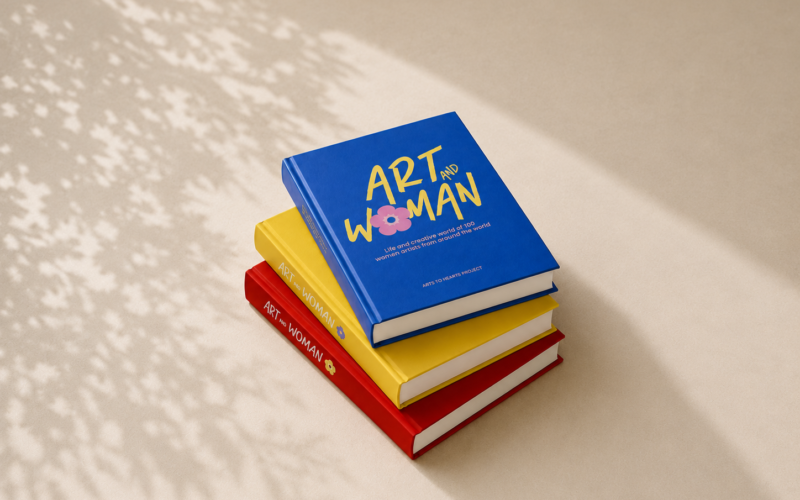
The Big Book of Mixed Media Artists 2026 will bring together 100 mixed-media practices in one hardcover publication.
Each selected artist receives a dedicated two-page spread, an official certificate, and promotion through the Arts to Hearts Project community and email audience. The completed book will also be available through channels including Amazon, Barnes & Noble, and the Arts to Hearts Project Shop.
There are also three top recognition spots. The winner receives a $500 cash award, a four-page feature, glass trophy, certificate, promotional feature, and an Artsy artist listing. The first and second runners-up also receive four-page features, trophies, certificates, promotional features, and Artsy artist listings.
For emerging artists especially, being published can become a useful addition to your CV, portfolio, website, studio archive, and future applications. It is not a guarantee of a gallery, exhibition, or career opportunity, but it can give your practice another professional record and another place for people to discover your work.
How to Apply
If your practice moves between materials, mediums, or processes, this could be a good opportunity to put that part of your work forward.
Choose a piece that genuinely represents the way you work rather than trying to make something that looks like what you think a “mixed-media artwork” should look like.
You will need to submit a high-resolution digital image of your work, and the selected work must be available for publication.
Before submitting, take a moment to look at your piece and ask yourself: Does this show how I actually made it? Does the combination of materials feel intentional? Does this work represent something I want people to see from my practice?
If the answer is yes, you may already have the piece you need.
Here’s Your Chance to Mix, Layer & Create
The submission deadline for The Big Book of Mixed Media Artists 2026 is September 21, 2026.
Mixed media has never really been about following one formula. From Picasso bringing oilcloth into a Cubist painting to Höch cutting apart mass-media imagery, Schwitters transforming street debris, and Saar reclaiming found imagery, artists have repeatedly expanded what materials can do.
That same spirit continues today. So if your studio practice is a little difficult to explain in one medium, that might not be a problem to solve. It might be the most interesting thing about your work.
And with a theme as open to a mix of multiple mediums, you do not have to choose between the different parts of your practice. You can bring them together and create your own magic.